


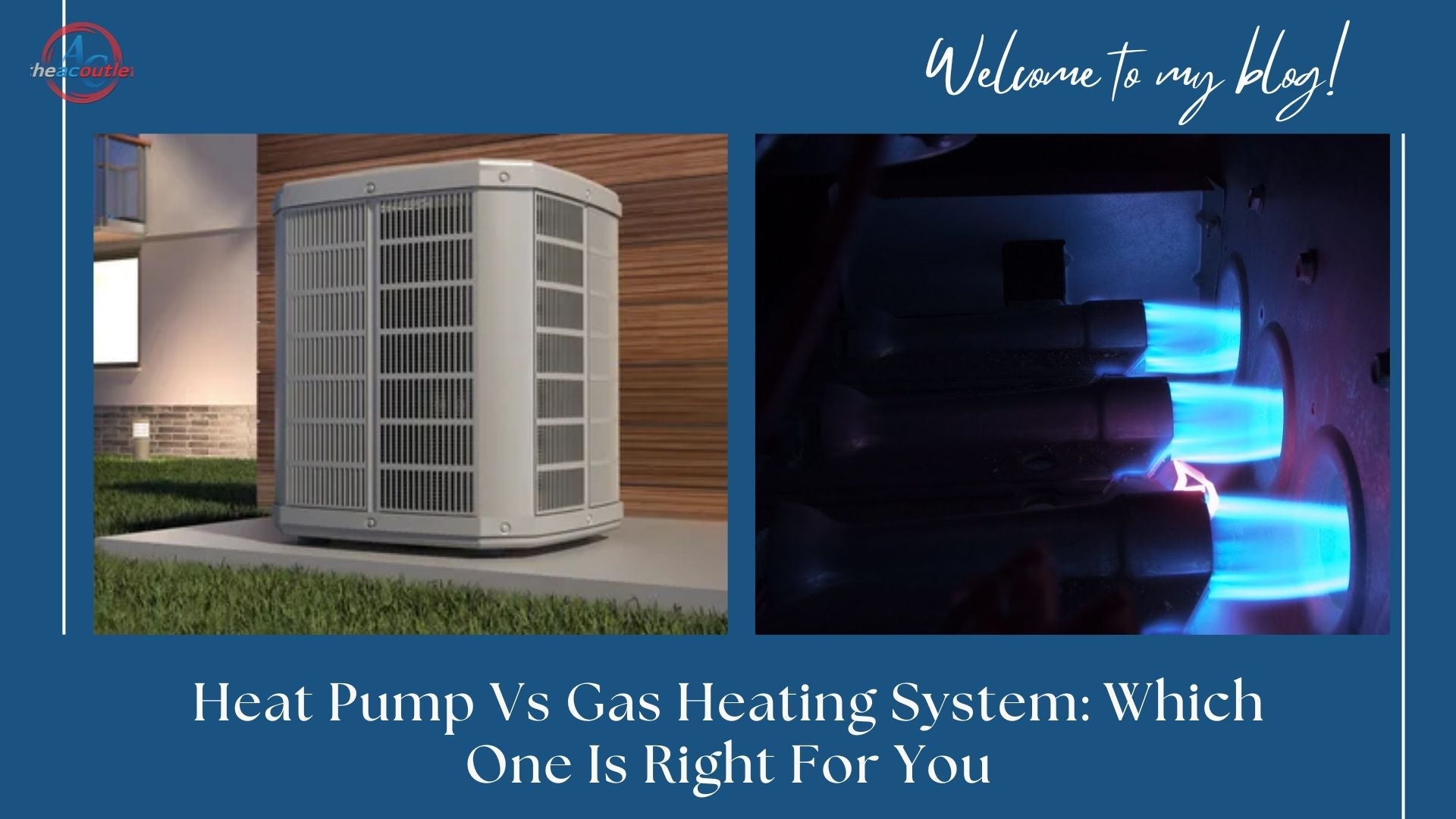
When it comes to heating your home or business, choosing the right system is crucial for comfort, efficiency, and cost-effectiveness. Two of the most popular options are heat pump systems and gas heating systems. While both provide warmth during colder months, they operate differently and offer distinct advantages depending on your climate, budget, and energy preferences. Below, we compare these two heating solutions to help you make an informed decision.
How Heat Pump Systems Work
A heat pump system functions by transferring heat from the outside air (or ground) into your home rather than generating heat directly. This makes it highly energy-efficient, especially in moderate climates. During warmer months, a heat pump can also work in reverse, acting as an air conditioner to cool your space.
How Gas Heating Systems Work
A gas heating system (such as a furnace) burns natural gas or propane to generate heat. The heat is then distributed throughout the home via ductwork. Gas furnaces are known for their ability to quickly produce high levels of heat, making them a preferred option in regions with extremely cold winters.
Key Differences Between Heat Pumps and Gas Heating
|
Feature |
Heat Pump System |
Gas Heating System |
|
Heat Source |
Transfers heat from outdoor air or ground |
Burns natural gas or propane to generate heat |
|
Energy Efficiency |
More efficient (especially in moderate climates) |
Less efficient due to combustion loss |
|
Operating Cost |
Lower in areas with mild winters |
Can be more cost-effective in extremely cold climates with low gas prices |
|
Lifespan |
Typically 10-15 years |
15-20 years |
|
Installation Cost |
Generally higher upfront |
Lower upfront cost |
|
Carbon Footprint |
Lower (electric-powered, especially if using renewable energy) |
Higher due to fossil fuel combustion |
|
Cooling Capability |
Yes, doubles as an air conditioner |
No, only provides heating |
|
Performance in Extreme Cold |
Less effective, may require supplemental heating |
Works well in frigid temperatures |
Pros and Cons of Each System
Heat Pump System Pros:
- Highly energy-efficient, reducing electricity costs in mild climates
- Provides both heating and cooling
- Environmentally friendly with lower carbon emissions
- Consistent, even heating throughout the home
Heat Pump System Cons:
- Less efficient in extremely cold climates
- May require a backup heat source in subfreezing temperatures
- Higher upfront installation costs
Gas Heating System Pros:
- Ideal for very cold climates with rapid, powerful heating
- Typically lower initial installation costs
- Longer lifespan than most heat pump systems
Gas Heating System Cons:
- Higher carbon footprint due to fossil fuel use
- No cooling function, requiring a separate AC system
- Higher energy costs in areas where gas prices fluctuate
Which System is Right for You?
- Live in a mild to moderate climate? A heat pump system may be the best option due to its energy efficiency and dual heating/cooling capability.
- Experience harsh, freezing winters? A gas heating system is likely the better choice for reliable, high-powered heating.
- Looking for an environmentally friendly option? Heat pumps generate less carbon emissions and can be powered by renewable energy sources.
- Want to minimize upfront costs? Gas furnaces typically have a lower initial installation cost.
Final Thoughts
Both heat pump and gas heating systems have their strengths. The best choice depends on your climate, budget, and energy preferences. If you prioritize energy efficiency and year-round climate control, a heat pump is ideal. If you need high heat output for extremely cold conditions, a gas heating system may be the better fit.
Not sure which option suits your home or business best? Contact The AC Outlet today for expert advice and professional installation tailored to your needs.


