


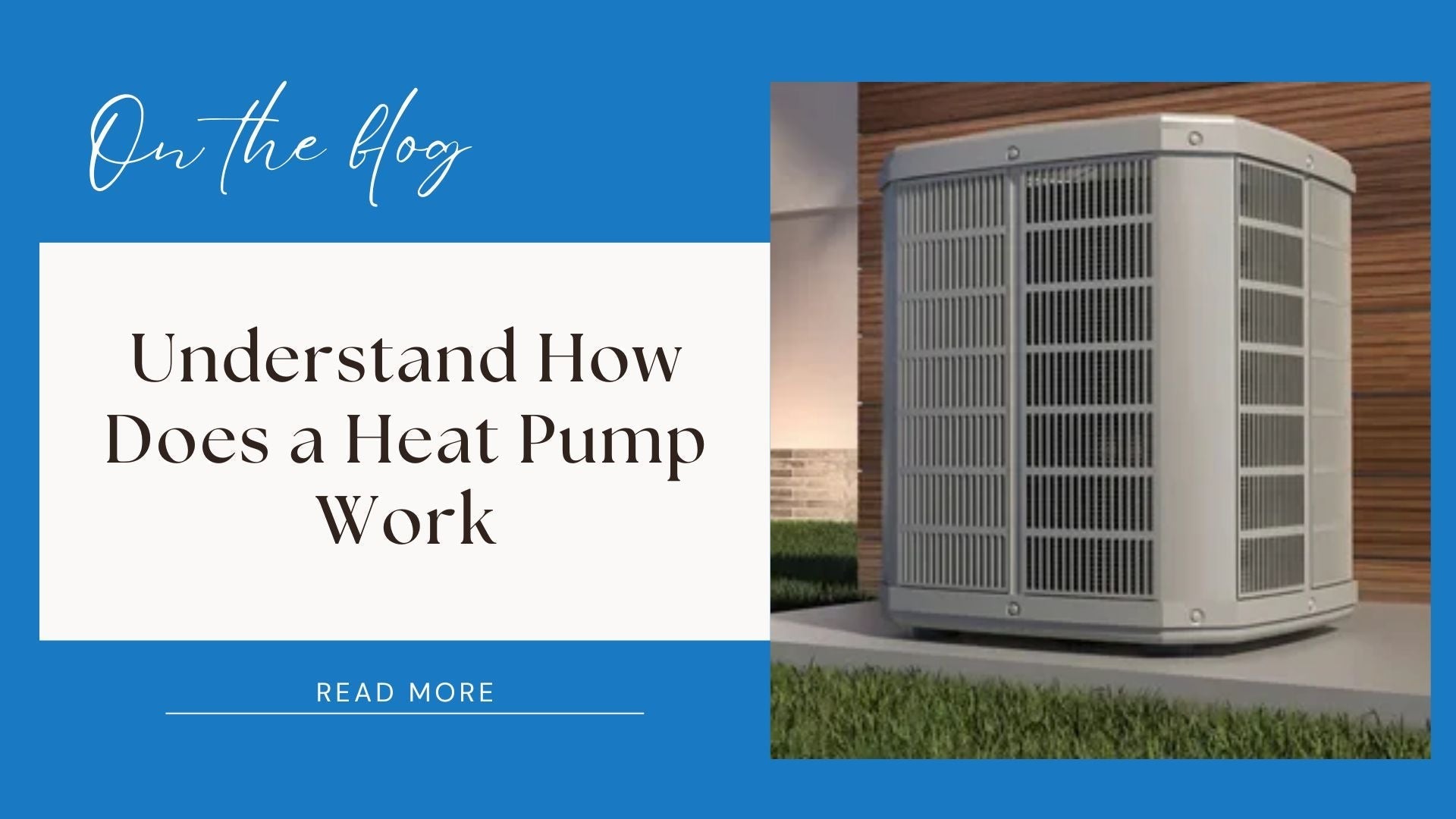
Heat pumps have revolutionized the HVAC industry, offering energy-efficient heating and cooling solutions. But how do these systems work, and what role does the condenser play in their operation? This article breaks down the mechanisms of heat pumps, highlighting the vital function of the condenser.
How Does a Heat Pump Work?
At its core, a heat pump operates by transferring heat from one location to another, rather than generating it. This process involves two primary cycles:
- Cooling Cycle: During summer, the heat pump extracts heat from indoor air and releases it outside, leaving your space cool and comfortable.
- Heating Cycle: In winter, the process reverses. The system absorbs heat from the outdoor air—even in cold conditions—and transfers it indoors to warm your home.
This energy-efficient system is powered by key components working in unison: the evaporator, compressor, and condenser.
The Role of the Condenser in Heat Pumps
The condenser is a pivotal component in the heat pump’s heat transfer process. Its main roles include:
- Heat Absorption: In heating mode, the condenser absorbs heat from the refrigerant and releases it indoors.
- Heat Rejection: In cooling mode, it releases the heat extracted from indoor air to the outdoor environment.
This continuous exchange ensures that your home stays comfortable, regardless of the season.
Learn about the Signs Your Heat Pump Condenser Needs Repair or Replacement.
Interplay Between Key Components: Evaporator, Compressor, and Condenser
For the heat pump to function efficiently, the evaporator, compressor, and condenser must work in harmony:
- Evaporator: Absorbs heat from the surrounding air and transfers it to the refrigerant.
- Compressor: Pressurizes the refrigerant, raising its temperature to facilitate heat transfer.
- Condenser: Releases or absorbs heat, depending on the system’s mode (heating or cooling).
By maintaining this cycle seamlessly, heat pumps achieve optimal energy efficiency and indoor comfort. Explore Heat Pump Condenser Maintenance: Tips for Longevity to keep your system running smoothly.
Why the Condenser’s Efficiency Matters
The condenser’s performance directly impacts the overall efficiency of your heat pump. A well-maintained condenser ensures:
- Consistent Heating and Cooling: Smooth heat transfer cycles without interruptions.
- Energy Savings: Reduced energy consumption due to efficient operation.
- Longevity: A longer lifespan for your heat pump system.
Read Heat Pump Condenser Coil vs. Evaporator Coil: What’s the Difference? for insights into maintaining these critical components.
Conclusion
Understanding how a heat pump works and the role of the condenser is crucial for making informed decisions about HVAC systems. The condenser’s ability to manage heat transfer efficiently ensures consistent comfort and cost savings.
For reliable wholesale HVAC equipment, including top-quality heat pump condensers, trust The AC Outlet for all your needs. Visit How to Choose the Right Heat Pump Condenser for Your Home to explore more buying tips.


