


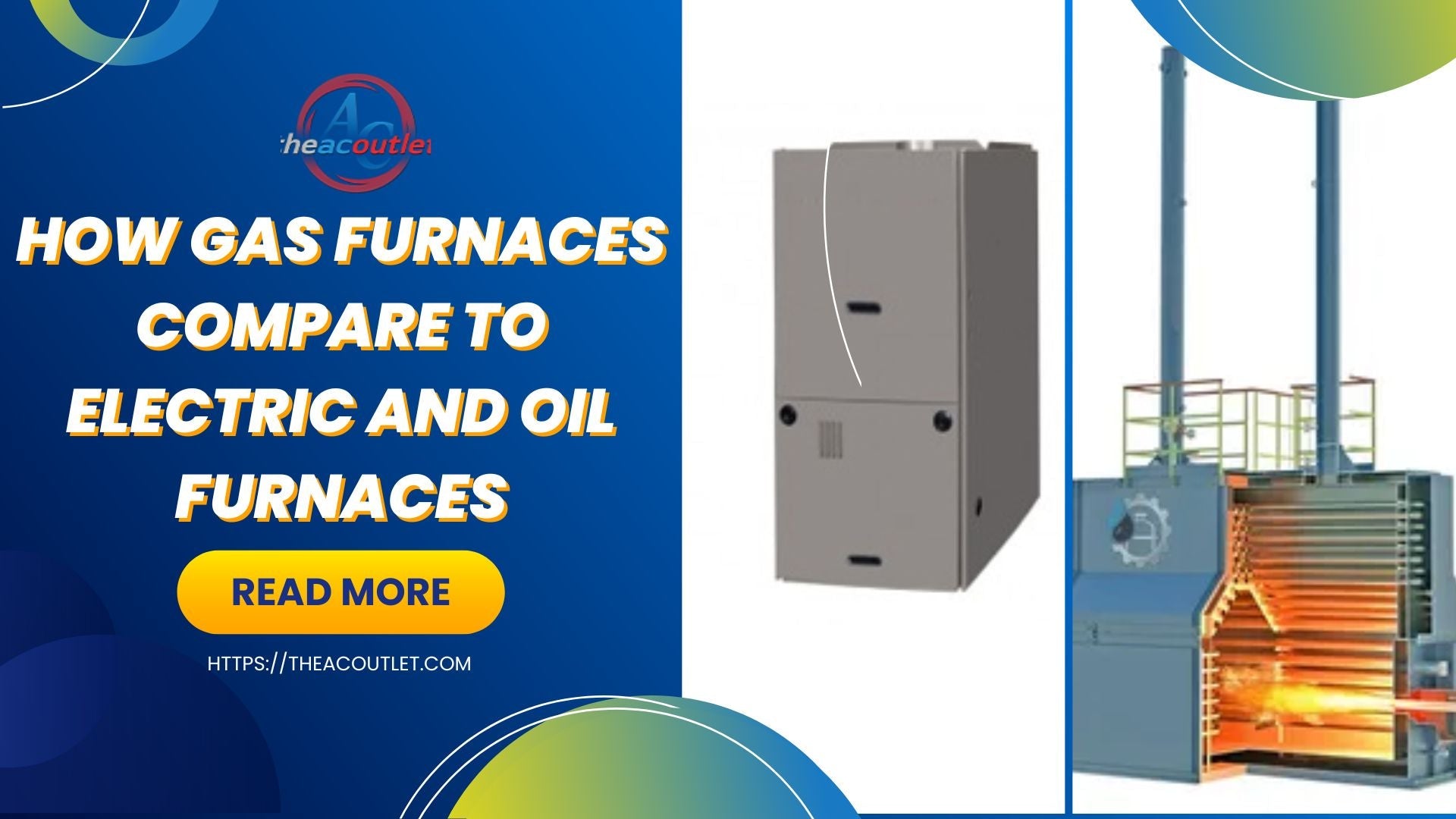
When it comes to home heating, the choice between gas, electric, and oil furnaces can significantly impact your energy bills, comfort, and environmental footprint. Each type of furnace has unique benefits and drawbacks, and understanding these differences can help you choose the right system for your home.
In this blog, we’ll compare electric vs Gas furnaces, as well as oil furnaces, focusing on efficiency, cost, and functionality.
Electric Vs Gas Furnace & Oil Furnace
Gas Furnaces: Efficient and Cost-Effective
Gas furnaces are a popular choice for their ability to provide consistent, efficient heating at a lower operating cost. They typically use natural gas or propane as fuel, making them ideal for regions with access to affordable gas supplies.
Advantages:
- High heating efficiency with models reaching over 98% AFUE.
- Faster heating compared to electric systems.
- Lower fuel cost compared to oil or electricity in most regions.
Drawbacks:
- Requires access to natural gas lines or propane tanks.
- Higher upfront cost than electric furnaces.
If you want to learn more about the various types of gas furnaces, check out our detailed guide: Comparing Gas Furnaces: Single-Stage, Two-Stage, and Variable-Speed.
Electric Furnaces: Reliable and Low Maintenance
Electric furnaces use electricity to heat air, making them a cleaner option than gas or oil systems. They are often chosen for homes without access to natural gas or propane.
Advantages:
- Lower initial cost compared to gas furnaces.
- Compact and easy to install.
- Minimal maintenance required.
Drawbacks:
- Higher operating costs due to electricity rates.
- Slower heating capability in colder climates.
If you’re exploring electric vs gas furnace options, you may also want to consider your home’s energy efficiency. For insights on how to maximize efficiency, read Gas Furnace Efficiency Ratings.
Oil Furnaces: Reliable for Cold Climates
Oil furnaces are less common but still used in colder regions where oil is readily available. These furnaces are known for their robust heating capacity and durability.
Advantages:
- Excellent heating performance in extremely cold climates.
- Lower upfront cost compared to high-efficiency gas furnaces.
Drawbacks:
- Higher maintenance requirements (e.g., cleaning soot and replacing filters).
- More expensive fuel compared to natural gas.
For those considering alternatives to oil furnaces, our blog Common Gas Furnace Issues: What You Need to Know provides a helpful perspective on maintaining a reliable heating system.
Comparison Table: Gas vs Electric vs Oil Furnaces
|
Feature |
Gas Furnace |
Electric Furnace |
Oil Furnace |
|
Heating Efficiency |
High (up to 98% AFUE) |
Moderate |
Moderate |
|
Operating Cost |
Low (natural gas is cheaper) |
High (electricity is costly) |
Moderate to High |
|
Upfront Cost |
Moderate to High |
Low to Moderate |
Low to Moderate |
|
Maintenance |
Moderate |
Low |
High |
|
Eco-Friendliness |
Moderate |
High |
Low |
Making the Right Choice
Your decision between gas, electric, or oil furnaces will depend on your home's location, energy costs, and heating needs. For a deeper dive into safety features, check out Gas Furnace Safety Features to Look For in 2025.
Why Choose The AC Outlet for Your Furnace Needs?
At The AC Outlet, we offer a wide range of gas and electric furnaces designed to meet your heating needs. Whether you’re looking for energy-efficient gas furnaces or reliable electric systems, our selection ensures comfort and performance for every home.
Explore our inventory today and discover the perfect furnace for your home heating needs!


