


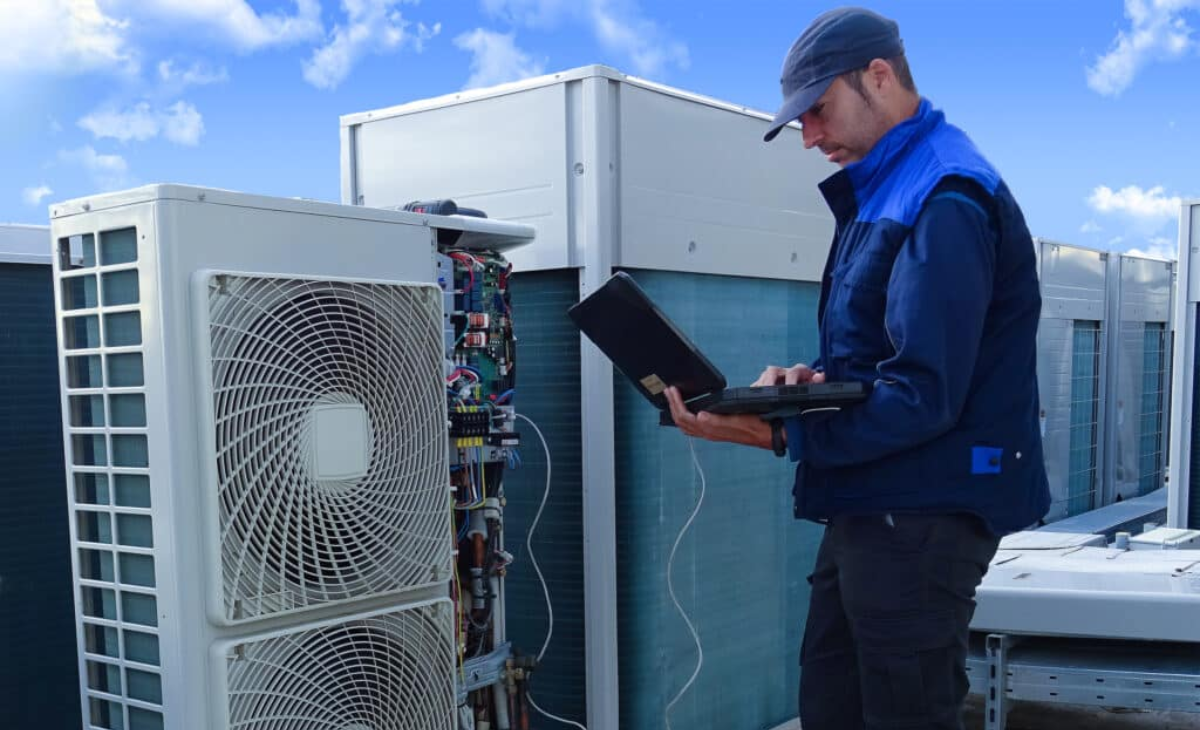
Proper care and attention can significantly extend the life and efficiency of home and commercial HVAC Equipment. As systems like air conditioners, heat pumps, furnaces, and ventilation units work tirelessly to regulate temperature and comfort, routine maintenance becomes vital. By focusing on cleanliness, component checks, and planning ahead, one can preserve performance, reduce energy bills, and forestall costly breakdowns.
Why is regular maintenance critical for HVAC Equipment?
Over time, components of HVAC systems—filters, coils, ducts—accumulate dust, debris, and wear. Left unchecked, these factors cause poor airflow, reduced energy efficiency, and increased strain, ultimately shortening the system's lifespan. Studies show that central air conditioners typically last 10–15 years, window units 8–10 years, and ductless mini-splits up to 20 years with proper care. Regular maintenance prevents early failure and ensures safety—especially against hazards like carbon monoxide from neglected systems.
What basic tasks keep HVAC Equipment running longer?
Following a structured maintenance approach allows HVAC systems to run reliably year-round.
In the spring and fall, scheduling professional tune-ups is essential. These seasonal inspections typically include coil cleaning, lubrication, refrigerant checks, filter inspection, and testing all moving parts. Changing or inspecting air filters every 1–3 months—or even monthly in dusty environments—maintains airflow and protects interiors from pollutant buildup. Cleaning the outdoor unit—removing leaves, debris, and vegetation—is also critical: it prevents airflow obstruction and preserves condenser and coil performance. For those considering a new unit, reviewing an HVAC Equipment Buying Guide: What to Consider Before You Invest can help ensure the system meets both efficiency and durability goals.
How do component-level checks improve HVAC longevity?
Inspecting and Cleaning Core Components
Periodic cleaning of coils, lubrication of moving parts, and electrical connection checks reduce wear, improve energy efficiency, and help systems endure longer. Low refrigerant often signals a leak, which impairs efficiency and can damage components; regular checks identify such issues early. During such inspections, professionals also review individual components to confirm that motors, belts, and sensors are functioning properly without excessive wear.
Enhancing Indoor Air Quality and Reducing Load
Clean filters, ducts, and coils eliminate allergens and dust, ensuring healthier air and smoother system function. Upgraded insulation, sealing air leaks, and enhancing attic or wall insulation reduce system runtime by maintaining indoor temperature, easing strain on HVAC components.
Maintenance Frequency Guide
|
Task |
Recommended Frequency |
|
Replace/Clean Air Filters |
Every 1–3 months |
|
Professional Tune-Up |
Twice annually (Spring/Fall) |
|
Outdoor Unit Cleaning |
Monthly or with each season |
|
Duct Inspection/Cleaning |
Every 2–5 years |
|
Electrical & Component Check |
Annual (professional) |
What role do thermostats and controls play in HVAC Equipment's lifespan?
Smart or programmable thermostats reduce system run-time by adjusting schedules, improving lifespan, and saving energy. Maintaining consistent temperature settings, rather than constant tweaking, avoids prolonged strain on heating and cooling cycles. In advanced installations, Building Automation Systems enable centralized monitoring and predictive control over HVAC functions.
Benefits of Thermostat Upgrades
|
Thermostat Type |
Benefits |
|
Programmable Thermostat |
Scheduled temperature control, energy saving |
|
Smart Thermostat |
Remote control, learning behavior, efficiency |
|
BAS / Building Automation |
Integrated system-wide control and alerts |
What mistakes shorten HVAC Equipment life—and how can they be avoided?
Experts identify several common pitfalls:
-
Neglecting routine maintenance leads to clogged coils and filters, driving up energy costs and causing premature failure.
-
Ignoring insulation and sealing forces systems to run longer to maintain indoor comfort.
-
Relying solely on AC without leveraging fans or passive cooling adds unnecessary workload.
-
Frequent thermostat adjustments reduce system efficiency; using smart or steady controls is smarter.
-
Failure to clear debris or avoid cooling unused rooms wastes energy and stresses the system.
-
Installing a system with the wrong size or poor placement impairs airflow and efficiency.
Homeowners uncertain about best practices should not hesitate to contact us for tailored advice and professional maintenance support.
FAQs About Extending HVAC Equipment Lifespan
How often should air filters be replaced in HVAC systems?
Air filters should be inspected and cleaned or replaced every 1–3 months, depending on usage and environment.
Does duct cleaning help HVAC performance?
Yes—clean ducts improve airflow, reduce dust, and enhance air quality. Professional duct cleaning every few years is generally recommended.
When should HVAC systems undergo professional tune-ups?
Ideally twice a year: in spring for cooling preparations and in fall for heating readiness.
How long can well-maintained HVAC Equipment last?
With proper care, central AC systems can last 10–15 years; furnaces 15–20 years; and ductless mini-splits up to 20 years.
Can insulation improvements reduce HVAC strain?
Absolutely—better insulation and sealing reduce thermal loss and demand on HVAC systems, extending their operational life.
Sustaining HVAC Equipment for the Long Haul
Incorporating multiple proactive strategies—like regular HVAC Equipment maintenance, filter changes, professional tune-ups, thoughtful thermostat use, and strong insulation—allows systems to perform reliably and efficiently over many years. Whether addressing air quality, preventing mechanical wear, or optimizing energy usage, each element contributes to system longevity. For seamless, expert care and tailored maintenance solutions, reach out to The AC Outlet, where dedication to HVAC performance and customer comfort meets unmatched service.


