


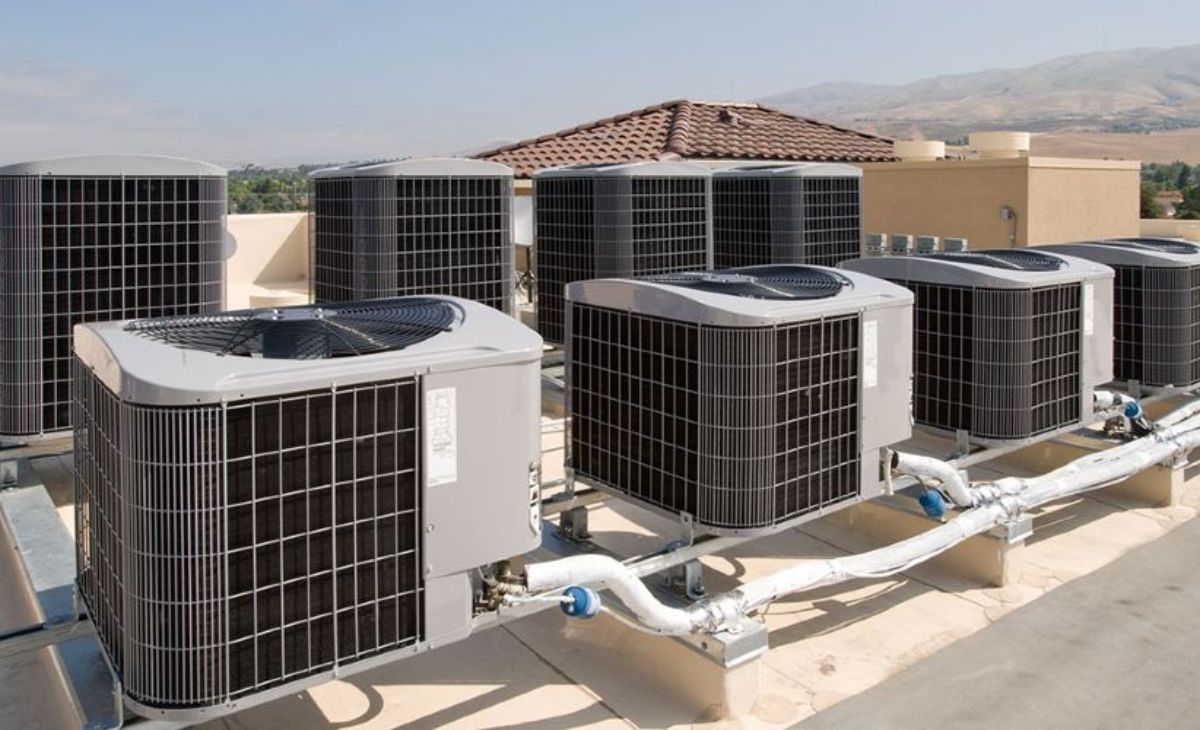
Every savvy homeowner wonders, “What should be considered when shopping for HVAC Equipment?” Starting with an understanding of the system types—such as furnaces, heat pumps, and air conditioners—is critical. HVAC Equipment refers to systems that manage heating, ventilation, and air conditioning throughout a home. Including HVAC Equipment here ensures clarity about the topic within one’s thought process. When evaluating HVAC Equipment, it’s essential to explore how each component interacts—from ductwork to thermostats—so the decision is both informed and practical.
Understanding the Types of HVAC Systems and Their Components
Before diving into costs or efficiency, one must identify which system aligns with the home’s needs. A furnace generates heat by burning fuel and distributes it via ducting, while an air conditioner moves heat out of the home to cool it. A heat pump can both heat and cool by transferring heat in or out, depending on the season.
Ductless systems, such as mini-splits, offer flexible installation for room-by-room zones without the need for ductwork. This makes them especially valuable for additions or older homes where ducts aren’t practical.
An air handler works with heat pumps to circulate air, especially when ducted systems are in place. Thermostats—either traditional programmable or smart connected types—allow for precise temperature control and integration with home automation. Homeowners who want to dig deeper into the role of Individual AC components can better appreciate how these systems deliver seamless comfort.
Efficiency, Sizing, Climate, and Comfort: Core Buying Factors
Key technical considerations run deeper than system type.
- Efficiency ratings, including SEER for cooling and HSPF for heating, greatly influence operational cost. A higher SEER means the system delivers more cooling per unit of electricity.
- Correct sizing is vital: too large and the system short-cycles, wasting energy; too small and it overworks, failing to meet comfort needs.
- Climate zone plays a large role, too. Homes in cold regions may benefit from furnaces or dual-fuel systems, while those in milder climates often find heat pumps most efficient. Exploring resources like Heating Equipment Explained: Comparing Heat Pumps, Furnaces, and Boilers helps homeowners make smarter decisions based on their region and comfort preferences.
- Capacity and comfort features: such as multi-stage or variable-speed systems, offer smoother temperature regulation and better indoor comfort compared to single-stage models.
Cost Considerations: Purchase, Installation & Long-Term Value
Investment in HVAC Equipment spans beyond the sticker price. Upfront and installation costs vary widely. Heat pump installations, for example, can run thousands of dollars depending on the home’s size, ductwork condition, and electrical setup. Central systems cost more upfront but deliver whole-home comfort, while portable units are cheaper yet less efficient. Energy efficiency plays a major role in long-term costs. A well-insulated home reduces operating expenses, allowing the HVAC system to perform at its peak. Homeowners should also consider potential rebates, financing, and warranty coverage when comparing systems.
Lifecycle, Maintenance & Longevity
Longevity and maintenance are often under-emphasized but vital aspects.
-
Furnaces often last 12–18 years, while air conditioners average 10–16 years.
-
Heat pumps typically require seasonal maintenance, with costs that vary depending on complexity.
-
Hidden costs, such as filter replacements, refrigerant refills, or duct cleaning, can add up if neglected.
Routine professional maintenance extends system life and ensures safe, efficient operation. For homeowners unsure where to begin, the best step is to Contact us for expert guidance and a personalized service plan.
Innovations: Inverter Technology and Variable Refrigerant Flow
Technological advancements are reshaping efficiency. Inverter compressors adjust motor speed to match cooling demand, offering finer capacity control and reduced energy waste. Variable Refrigerant Flow (VRF) systems take this further, allowing different zones of a home to be cooled or heated simultaneously. Integration with smart thermostats or whole-home automation platforms adds scheduling, monitoring, and energy tracking. These innovations aren’t just luxuries—they represent long-term value in comfort and savings.
Comparing HVAC System Types
|
System Type |
Strengths |
Typical Costs & Notes |
|
Furnace & AC Combo |
Reliable heating and cooling via ductwork |
Mid-range pricing; ductwork costs may apply |
|
Heat Pump |
Both heating and cooling, energy-efficient |
$4K–$8K; may need duct modifications |
|
Ductless Mini-Split |
Zoned control, no ducts required |
Ideal for additions or retrofit spaces |
|
Portable AC |
Affordable, flexible, temporary solution |
$200–$500; noisier and less efficient |
|
VRF System |
Zone-specific climate control, highly efficient |
Higher upfront cost; superior adaptability |
FAQs
How do I know if I should repair or replace my HVAC system?
If the system is over 10–15 years old, frequently breaking down, or showing poor energy efficiency, replacement often makes more sense than repair.
What system size is right for my home?
Proper sizing depends on square footage, insulation quality, window placement, and climate conditions. A professional load calculation ensures accuracy.
What is SEER and why is it important?
SEER measures cooling efficiency. Higher SEER ratings mean lower electricity bills and improved performance.
Are heat pumps better than traditional HVAC systems?
Heat pumps are efficient in moderate climates, offering both heating and cooling in one system. Traditional furnaces may be better in extremely cold regions.
What modern features should homeowners look for in new systems?
Inverter technology, VRF systems, and smart thermostats are top features for maximizing efficiency and comfort.
The Homeowner’s Journey: From Research to Purchase
A systematic approach helps refine decisions:
-
Assess whether repair or replacement is appropriate.
-
Research system types and their suitability for the climate.
-
Compare quotes, warranties, and financing options.
-
Consult a professional for sizing, ductwork evaluation, and efficiency recommendations.
-
Plan installation during off-peak seasons for better pricing and availability.
-
Maintain the system through regular tune-ups to protect the investment.
Conclusion
By carefully evaluating system types, efficiency ratings like SEER, correct sizing, installation factors, and modern technology, homeowners can confidently invest in the right HVAC Equipment for lasting comfort and efficiency. This comprehensive approach ensures not just a purchase but a long-term solution for healthier indoor air and lower operating costs. For those seeking professional expertise and reliable support, The AC Outlet is dedicated to guiding homeowners through every stage of selecting and installing the perfect system.


