


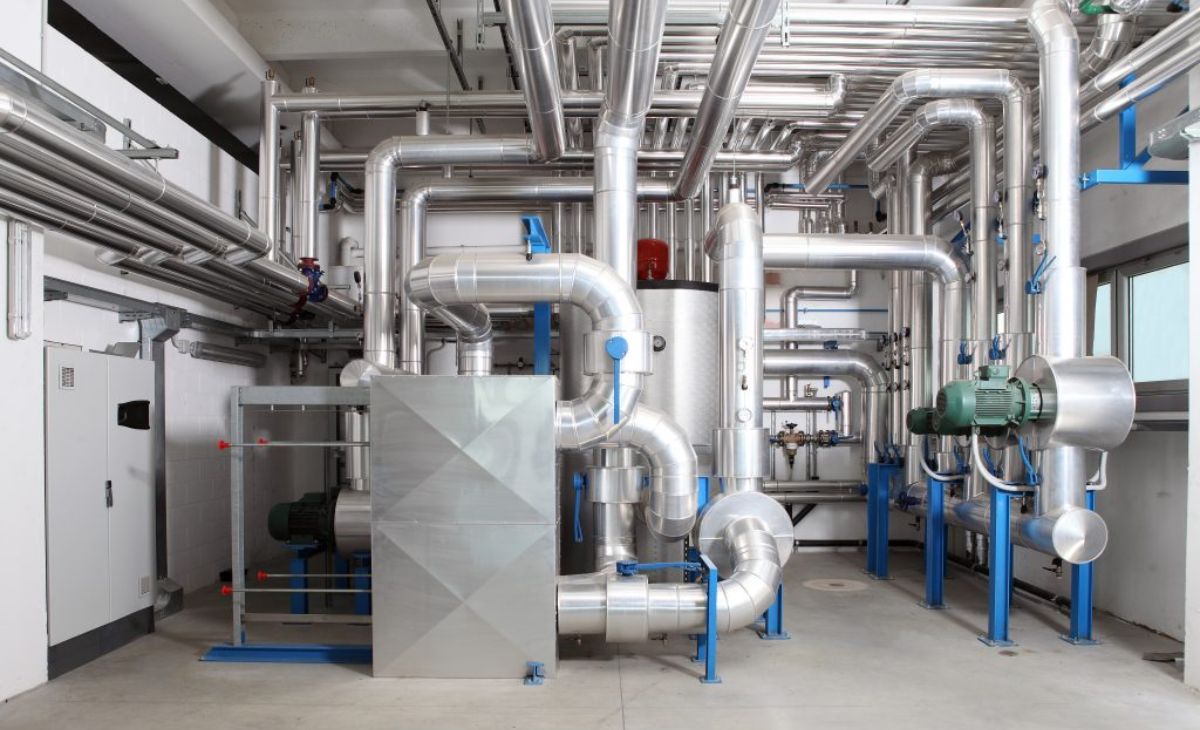
The world of HVAC Equipment presents three primary heating systems—heat pumps, furnaces, and boilers—each operating on distinct principles and suited to particular contexts. A heat pump moves thermal energy rather than generating it, often achieving a coefficient of performance (COP) of 3 to 5, meaning it can deliver 3 to 5 times the energy it uses. In contrast, furnaces generate heat by burning fuel such as gas, propane, oil, or electricity, and distribute warm air through ducts with variable AFUE (Annual Fuel Utilization Efficiency) ratings. Boilers, on the other hand, heat water or steam for radiant systems via radiators, in-floor piping, or baseboard heating.
How does each HVAC Equipment type work?
Heat pumps transfer heat using a refrigeration cycle, drawing warmth from outdoor air (air-source) or from the ground (ground-source), then delivering it indoors. These systems achieve high performance without direct combustion. Ground-source heat pumps, also called geothermal, offer unmatched energy efficiency and low emissions—when powered by renewables, they are among the cleanest options. Furnaces combust fuel to heat air, which is then forced through ductwork. Modern furnaces with high AFUE ratings (up to 97%) convert most fuel to usable heat. Boilers, meanwhile, raise water temperature or produce steam within a closed vessel, circulating it through hydronic systems to deliver even, radiant warmth.
Efficiency and Operating Costs of HVAC Equipment
Efficiency metrics differ greatly across heating systems. Furnaces and boilers are measured by AFUE values, which indicate how effectively fuel is converted to heat. Heat pumps are measured by COP or HSPF (Heating Seasonal Performance Factor). Air-source heat pumps can reach efficiencies above 275%, while ground-source units can achieve up to 450% efficiency.
Here’s a side-by-side comparison:
|
HVAC Equipment Type |
Efficiency (COP or AFUE) |
Approx. Operating Cost per 1M BTU* |
|
Propane Furnace/Boiler |
AFUE ~95% (COP ~0.96) |
~$42.77 (propane) |
|
Air-Source Heat Pump |
COP ~3 (275%) |
~$29.31 (electric) |
|
Ground-Source Heat Pump |
COP up to 4.5 (450%) |
Even lower (varies) |
*Costs vary by region, fuel price, and electricity rates. In very cold climates, furnaces or boilers may still be more economical.
Advantages and drawbacks in different climates
Heat pumps are highly efficient and versatile, offering both heating and cooling. They perform exceptionally well in moderate climates but may struggle in extreme cold unless paired with a backup system. Furnaces, on the other hand, deliver rapid, powerful heat and are relatively inexpensive to install, especially in homes already equipped with ductwork. However, they rely on fossil fuels and can distribute allergens through forced air systems. Boilers generate gentle, even, radiant heat, making them quiet and ideal for zoning. They are less likely to spread dust but may entail higher installation costs and require separate cooling solutions.
Environmental impact and heating trends
Heat pumps play a central role in reducing emissions, particularly when powered by renewable electricity. They can cut household heating emissions significantly compared to high-efficiency gas boilers. Many regions are gradually moving away from fossil-fuel heating, introducing incentives to encourage homeowners to install heat pumps or hybrid systems. Hybrid systems combine a heat pump with a furnace, allowing households to benefit from efficiency in mild weather while retaining the power of a furnace in colder conditions. This balance of comfort, cost savings, and sustainability makes hybrid systems increasingly popular.
Making the right choice: comparing heat pumps, furnaces, and boilers
When evaluating HVAC Equipment, homeowners should weigh multiple factors: climate, fuel availability, existing infrastructure, upfront costs, operating costs, efficiency, zoning needs, and environmental goals. Heat pumps are excellent for those seeking efficiency and lower environmental impact, especially in moderate climates or when combined with renewable energy. Furnaces can be cost-effective in colder regions with existing ductwork. Boilers provide silent, radiant comfort, ideal for homes that already have hydronic heating systems. For more insights, exploring Which Heating System Is Right for You? A Guide to Furnaces, Heat Pumps, and More can help homeowners assess the most suitable choice. Understanding system designs and individual components also makes it easier to plan upgrades or retrofits effectively. And if guidance is needed on selecting the right system, it’s always best to Contact us for professional support.
FAQs
Is a heat pump more efficient than a furnace?
Yes. A heat pump transfers heat rather than generating it, achieving efficiencies between 300% and 500%, while furnaces typically range from 90% to 97% efficiency.
Does a boiler use less energy than a furnace?
Boilers often deliver more consistent radiant heat and can be more efficient in zoned heating applications. However, energy use depends on AFUE ratings and system setup.
How do hybrid heating systems work?
Hybrid systems combine an electric heat pump with a gas furnace. The heat pump manages heating during mild conditions, while the furnace engages in colder weather, providing balance between efficiency and reliability.
What is AFUE and why is it important?
AFUE (Annual Fuel Utilization Efficiency) measures how well a furnace or boiler converts fuel into usable heat. Higher AFUE means better efficiency and lower energy waste.
Are ground-source heat pumps worth the cost?
Yes, in many cases. Though installation costs are higher, ground-source heat pumps deliver outstanding efficiency and long-term savings while reducing carbon emissions.
Conclusion
Understanding HVAC Equipment—from heat pumps to furnaces and boilers—empowers homeowners to make informed, efficient, and sustainable heating decisions. Heat pumps excel in energy transfer, furnaces provide dependable warmth, and boilers offer radiant, zoned comfort. The best choice depends on climate, costs, and personal priorities. For expert recommendations, installation, or servicing of heating systems, trust The AC Outlet to deliver reliable HVAC solutions tailored to your home.


