


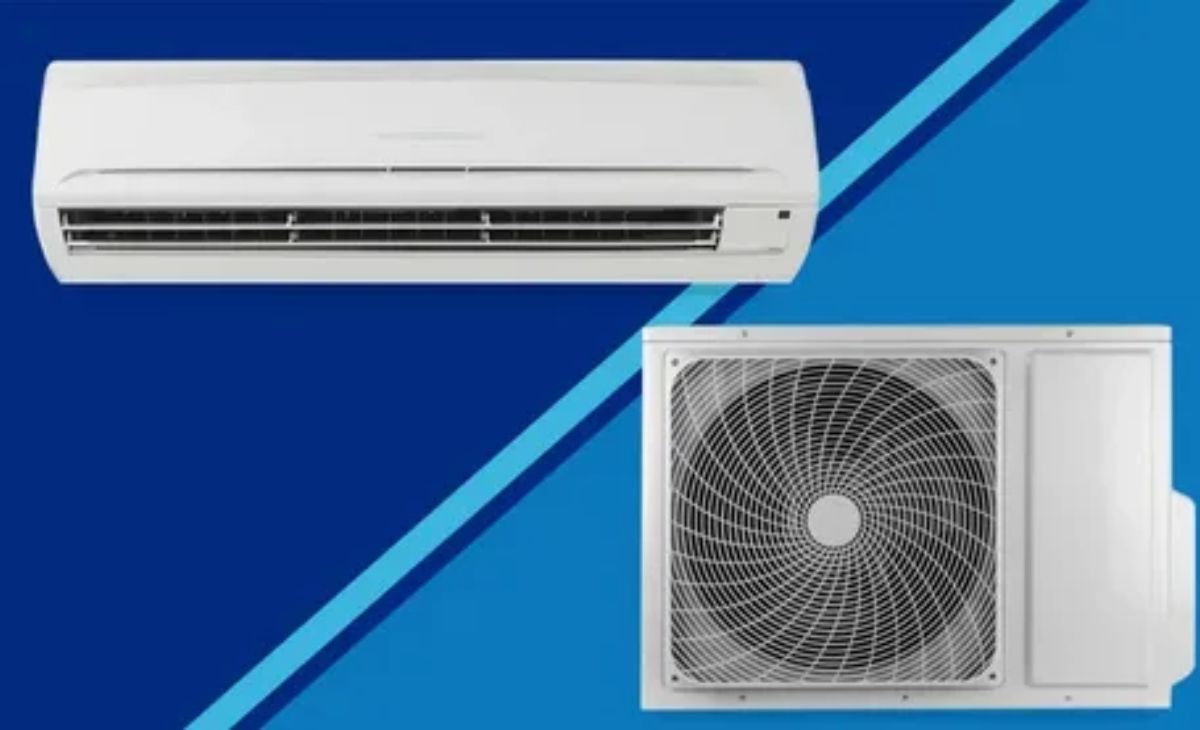
Mini split systems, also called ductless mini-split systems, have become one of the most efficient and versatile options in modern home and commercial climate control. Sometimes referred to as minisplit systems, these units offer a modern alternative to traditional HVAC equipment, delivering targeted heating and cooling directly to specific rooms or zones. This makes them ideal for homeowners seeking comfort, energy efficiency, and flexibility, especially in homes without existing ducts or in spaces where extending ductwork is impractical. As energy costs rise and homeowners prioritize environmentally friendly solutions, mini split systems provide reliable, low-maintenance performance. With features like inverter technology, zoning capabilities, and quiet operation, these systems deliver personalized comfort while reducing energy consumption.
What Is a Mini Split System?
A mini split system is a type of HVAC equipment consisting of two main components: an outdoor condenser/compressor unit and one or more indoor air-handling units. Connected by refrigerant lines, they transfer heat between the indoor and outdoor environments. Unlike traditional central HVAC systems, mini splits do not require ductwork, eliminating energy losses associated with leaky ducts.
Many homeowners and contractors prefer mini split systems because of their compact design and quiet operation, making them suitable for bedrooms, offices, basements, and other spaces that need individualized climate control.
How Do Ductless Mini Split Systems Work?
Ductless mini split systems operate on a heat-transfer principle rather than generating heat directly. During cooling, the indoor air handler draws warm air from the room and passes it over evaporator coils filled with refrigerant. The refrigerant absorbs the heat and carries it to the outdoor condenser, where it is released. In heating mode, the process is reversed: the outdoor unit extracts heat from the outside air—even in cold temperatures—and transfers it indoors.
Equipped with inverter-driven compressors, these minisplit systems adjust their speed based on the heating or cooling demand. This continuous modulation enhances energy efficiency, maintains consistent indoor temperatures, and reduces wear on the system. Many mini split systems also function as advanced heating equipment, ensuring warmth during winter while providing cool air in summer.
Advantages of Mini Split Systems
1. Personalized Zoning and Comfort
Each indoor unit in a mini split system can be controlled independently, allowing for customized temperatures in different rooms or zones. Families with varying comfort preferences benefit from this zoning capability, which is a major advantage over traditional HVAC equipment.
2. Energy Efficiency and Savings
By eliminating ductwork, mini split systems reduce energy losses associated with air distribution. Traditional ducted HVAC systems can lose up to 30% of energy through leaks and poor insulation. Minisplit systems deliver conditioned air directly to the target space, lowering energy consumption and utility bills.
3. Flexible Installation
Installation is easier and less invasive compared to traditional heating equipment or ducted HVAC systems. A small hole is drilled in an exterior wall to connect the indoor and outdoor units. This makes mini splits ideal for retrofitting older homes, room additions, or spaces where installing ducts is impractical.
4. Quiet Operation
Unlike central HVAC systems, mini split systems operate quietly. The compressor is located outdoors, while indoor units produce minimal noise, ensuring a peaceful environment.
5. Year-Round Comfort
Mini split systems serve as both air conditioners and heating equipment, providing reliable comfort throughout the year. Their inverter technology allows efficient operation even in extreme weather conditions.
Mini Split Systems vs. Traditional HVAC Equipment
|
Feature |
Mini Split Systems |
Traditional HVAC |
|
Ductwork |
Not required |
Required |
|
Zoning |
Independent control per unit |
Single thermostat, limited zoning |
|
Energy Efficiency |
High (direct air delivery, inverter technology) |
Moderate (energy loss through ducts) |
|
Installation |
Quick, minimally invasive |
Labor-intensive, requires ductwork |
|
Noise Level |
Low |
Moderate to high |
|
Maintenance |
Easy (filter cleaning, system check) |
Moderate to high (duct cleaning, more components) |
By comparing mini split systems with traditional HVAC equipment, it’s clear that ductless systems offer superior energy efficiency, flexibility, and comfort.
How Much Do Mini Split Systems Cost?
Costs vary depending on the number of indoor units, brand, capacity, and installation complexity. Single-zone systems range from $1,500 to $4,000, while multi-zone units can cost $5,000 to $14,500. For contractors and property developers, purchasing through wholesale HVAC equipment suppliers provides significant savings. Homeowners can also explore cost estimates through our dedicated resource: how much mini split systems cost.
Popular Mini Split Brands
|
Brand |
Key Features |
Ideal For |
|
Mitsubishi Electric |
Advanced inverter technology, high efficiency, quiet operation |
Residential and commercial use |
|
Fujitsu General |
Energy-efficient, flexible installation |
Small to medium-sized homes |
|
Carrier |
Reliable performance, durable components |
Large homes and commercial spaces |
|
Senville |
Affordable, good warranty |
Budget-conscious homeowners |
These top brands produce reliable minisplit systems that can serve both residential and commercial spaces efficiently. For larger projects, sourcing units through wholesale HVAC equipment suppliers ensures better pricing and availability.
Installation Process for Mini Split Systems
Installing a mini split system requires careful planning and professional expertise. Steps include:
- Site Assessment: Determine the number of zones, room layout, and best locations for indoor/outdoor units.
- Mounting Indoor Units: Proper placement ensures even air distribution.
- Connecting Refrigerant Lines: A small wall hole allows refrigerant lines, wiring, and condensate drainage to pass through.
- Installing the Outdoor Unit: Ensure stability and adequate ventilation for the condenser.
- System Testing and Calibration: Verify refrigerant charge, electrical connections, and performance.
For a detailed explanation, see how do ductless mini split work to understand the operation and efficiency of these systems.
Maintenance Tips for Mini Split Systems
To ensure longevity, mini split systems require regular maintenance:
- Clean or replace air filters monthly to maintain airflow and indoor air quality.
- Inspect refrigerant lines and electrical connections.
- Schedule annual professional maintenance to maximize system efficiency.
- Keep indoor and outdoor units free from dust and debris.
Regular care extends the lifespan of both mini split systems and associated heating equipment.
FAQs About Mini Split Systems
-
Can mini split systems heat and cool the same space?
Yes, mini split systems function as both air conditioners and heating equipment, providing comfort year-round. -
Are mini split systems energy-efficient?
Absolutely. With ductless design and inverter technology, minisplit systems reduce energy usage significantly compared to traditional HVAC equipment. -
Can mini split systems be installed in older homes?
Yes, they are ideal for homes without existing ductwork, avoiding expensive retrofitting. -
How long do mini split systems last?
With proper care, mini split systems typically last 12–15 years. -
Where can I purchase mini split systems?
You can purchase them via authorized dealers, wholesale HVAC equipment suppliers, or contact us directly through Contact us for customized guidance.
Conclusion
Mini split systems provide an energy-efficient, versatile, and quiet alternative to traditional HVAC equipment. Their ability to serve as both cooling and heating equipment, along with easy installation and zoning flexibility, makes them an ideal solution for modern homes and commercial spaces. For high-quality mini split systems, heating equipment, and full HVAC equipment solutions, The AC Outlet offers expert guidance, professional installation, and reliable service. Explore our options and enjoy personalized comfort year-round.


