


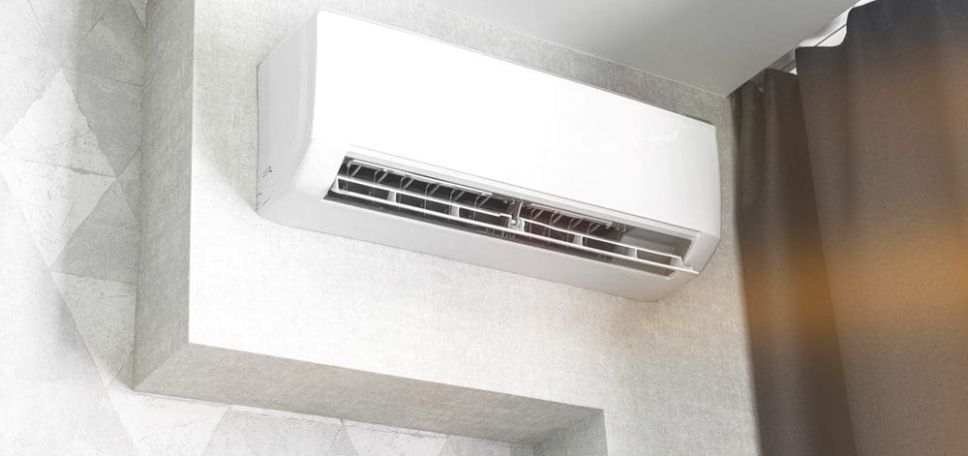
Mini split systems, also called ductless mini-split systems, have become one of the most versatile and energy-efficient options for modern heating and cooling. Homeowners and businesses alike are drawn to these systems for their ability to deliver targeted comfort, reduce energy costs, and provide flexibility in spaces without ductwork. Understanding how much mini split systems cost is essential for budgeting, planning installation, and comparing them to traditional HVAC equipment. Whether you are looking for a single-room solution or a multi-zone system for an entire house, this guide will break down the factors affecting pricing, installation considerations, and long-term value.
Why Understanding Mini Split System Costs Matters
Mini split systems are more than just another type of HVAC equipment. They serve as both air conditioners and heating equipment, often replacing traditional systems like furnaces and central air units. Knowing the cost upfront helps homeowners avoid unexpected expenses and ensures a better return on investment over time. Costs can vary widely depending on several factors, such as brand, capacity, number of indoor units, and installation complexity. Moreover, understanding pricing differences helps property developers, contractors, and bulk buyers leverage wholesale HVAC equipment options for savings.
Factors That Affect the Price of Mini Split Systems
Several key factors determine the overall cost of mini split systems:
1. Number of Zones and Indoor Units
Mini split systems can be single-zone or multi-zone. Single-zone units control the temperature in one room, while multi-zone systems manage multiple rooms or areas. The more indoor units required, the higher the cost. Each additional indoor unit increases both equipment and installation expenses.
2. System Capacity (BTU)
The system’s capacity, measured in BTUs (British Thermal Units), affects pricing. Larger spaces require units with higher BTU ratings, which cost more. Oversizing or undersizing a system can impact efficiency, so proper sizing is essential for optimal performance and energy savings.
3. Brand and Model
Popular brands such as Mitsubishi Electric, Fujitsu, Carrier, and Senville offer varying prices based on technology, efficiency, and warranty. Premium minisplit systems with advanced inverter compressors tend to cost more but offer higher efficiency and durability. Budget-friendly brands may have lower upfront costs but could require more maintenance over time.
4. Installation Complexity
Installation costs vary depending on home layout, wall placement, and accessibility for indoor and outdoor units. Homes without existing ductwork, difficult wall placements, or multiple-story installations often have higher labor costs. Proper installation ensures that mini split systems operate efficiently and quietly.
5. Additional Features
Optional features such as advanced air filtration, Wi-Fi controls, or smart thermostats can add to the total cost. While not mandatory, these features enhance comfort and convenience, making them worth considering for modern homes.
Single-Zone vs Multi-Zone Mini Split Systems
|
Type |
Typical Price Range |
Ideal Use |
LSI Integration |
|
Single-Zone |
$1,500 – $4,000 |
Individual rooms, offices, small apartments |
HVAC equipment, heating equipment |
|
Multi-Zone |
$5,000 – $14,500 |
Multiple rooms, larger homes, commercial spaces |
Minisplit systems, wholesale HVAC equipment |
Single-zone units are best for targeted cooling or heating in a single space, while multi-zone minisplit systems provide flexibility and convenience for larger properties or commercial applications.
Cost Breakdown by Brand
Brand selection significantly impacts the price of mini split systems.
|
Brand |
Typical Price |
Key Features |
Best For |
|
Mitsubishi Electric |
$2,000 – $10,000 |
Advanced inverter tech, quiet operation |
Residential & commercial |
|
Fujitsu General |
$1,800 – $9,500 |
Energy-efficient, flexible installation |
Small to medium homes |
|
Carrier |
$2,500 – $12,000 |
Durable, reliable |
Large homes, commercial |
Choosing a reputable brand ensures long-term reliability, better energy efficiency, and compatibility with modern heating equipment systems.
Installation Costs and Considerations
Professional installation is crucial to maximize the efficiency of mini split systems. Key considerations include:
- Indoor Unit Placement: Correct positioning ensures even air distribution.
- Outdoor Unit Location: Needs a stable, well-ventilated area.
- Refrigerant Line Connection: Requires precise installation to avoid leaks.
- Electrical Setup: Proper wiring is essential for safety and performance.
For more technical insight into operation and installation, visit how do ductless mini split work. Proper installation ensures that systems function efficiently year-round.
How to Save Money: Wholesale HVAC Equipment Options
Contractors and property developers can reduce costs by purchasing mini split systems through wholesale HVAC equipment suppliers. Bulk buying allows for significant savings, especially on multi-zone systems or large commercial projects. Wholesale options also provide access to high-end models with better efficiency and longer warranties at a fraction of retail pricing.
Even homeowners can sometimes leverage wholesale channels when installing multiple units, ensuring access to premium heating equipment without overpaying.
Long-Term Value and Energy Savings
While upfront costs for mini split systems may seem higher than conventional air conditioners or window units, long-term energy savings often offset the initial investment. Benefits include:
- Reduced Energy Loss: Ductless design eliminates energy loss from leaky ducts.
- Inverter Technology: Compressors adjust speed to match demand, saving energy.
- Year-Round Comfort: Doubles as heating equipment in winter, reducing reliance on separate furnaces or baseboard heaters.
- Lower Maintenance Costs: Less complicated than central HVAC systems, leading to lower long-term expenses.
Over time, homeowners can see significant reductions in utility bills while enjoying improved indoor air quality and consistent comfort.
FAQs About Mini Split System Costs
-
What is the average cost of a mini split system?
Single-zone units range from $1,500 to $4,000, while multi-zone units can cost $5,000 to $14,500 or more. -
Do installation costs vary by home type?
Yes, complex layouts, multiple stories, or difficult wall placements can increase labor costs. -
Can I save by buying wholesale HVAC equipment?
Absolutely. Bulk purchases and contractor channels often reduce the cost of multi-unit installations. -
Are premium brands worth the extra cost?
Yes, high-end brands like Mitsubishi Electric or Fujitsu offer advanced inverter technology, quiet operation, and long-term reliability. -
Can mini split systems replace my existing heating equipment?
Yes, many systems provide both heating and cooling, functioning as energy-efficient heating equipment during colder months. -
How do I determine the right size for my home?
A professional assessment considers square footage, insulation, ceiling height, and room layout to select the appropriate BTU rating. -
Where can I get a quote for mini split systems?
For detailed quotes and professional guidance, visit Contact us.
Getting the Best Value for Your Mini Split System
Understanding how much mini split systems cost is essential for making informed decisions about your home or commercial property. By considering factors like brand, zone count, system capacity, installation complexity, and long-term energy savings, homeowners and contractors can select the right solution for their needs. For high-quality mini split systems, efficient heating equipment, and expert HVAC equipment advice, The AC Outlet provides a full range of products and professional guidance. Reach out through Contact us to explore options, get a quote, and enjoy personalized comfort year-round.


