


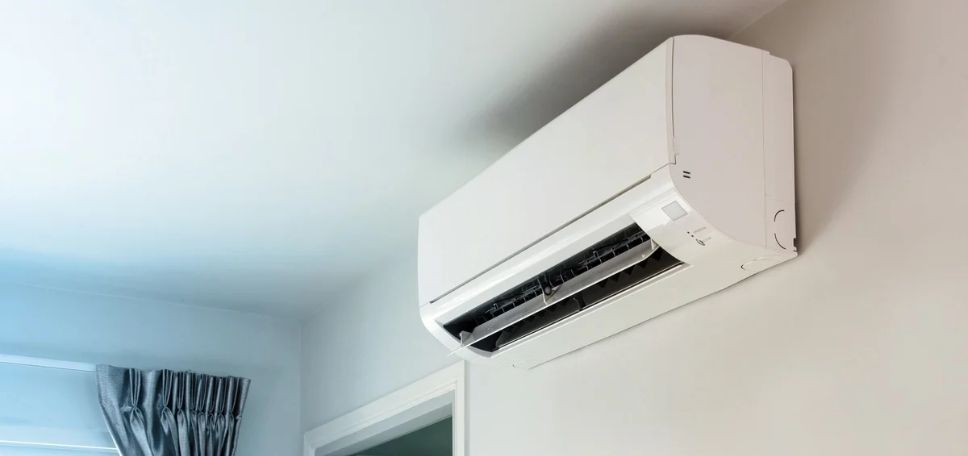
Ductless mini split systems, often referred to as mini split systems or minisplit systems, have revolutionized modern climate control. Unlike traditional HVAC equipment that relies on ductwork, ductless systems provide efficient, targeted heating and cooling for individual rooms or zones. Their flexibility, energy efficiency, and quiet operation make them ideal for residential and commercial spaces alike. Understanding how ductless mini split systems work is crucial for homeowners and contractors looking to optimize comfort, reduce energy costs, and make informed investment decisions. This comprehensive guide explores the components, operation, advantages, installation, and cost considerations of ductless mini split systems.
Components of a Ductless Mini Split System
A typical ductless mini split system consists of three main components:
-
Outdoor Condenser/Compressor Unit
The outdoor unit is responsible for compressing and circulating refrigerant. It absorbs heat from indoor spaces during cooling and releases it outside, or reverses the process in heating mode. This unit is a critical piece of HVAC equipment, providing the energy-efficient backbone for the system.
-
Indoor Air-Handling Units
Indoor units are mounted on walls or ceilings to deliver conditioned air directly into the room. Each unit is controlled independently, allowing for personalized zoning and consistent comfort.
-
Refrigerant Lines and Electrical Connections
The indoor and outdoor units are connected by refrigerant lines and electrical wiring, which facilitate heat transfer and communication between units. A small wall or ceiling hole is drilled for installation, making the system minimally invasive compared to traditional ducted setups.
By combining these components, ductless mini split systems offer precise climate control without the energy losses associated with ductwork.
How Cooling Mode Works
Cooling in ductless mini split systems relies on the transfer of heat rather than traditional air blowing. Here’s how it works step-by-step:
- Warm Air Intake: The indoor unit draws in warm room air using a fan.
- Heat Absorption: The air passes over evaporator coils filled with refrigerant. The refrigerant absorbs heat from the air, cooling it.
- Heat Transfer: The heated refrigerant travels to the outdoor condenser unit, where the heat is released into the atmosphere.
- Cooled Air Distribution: The cooled air is circulated back into the room through the indoor unit.
This process allows mini split systems to efficiently maintain comfortable indoor temperatures while consuming less energy than traditional HVAC systems. Modern systems often include inverter technology, which regulates compressor speed for precise cooling and energy efficiency.
How Heating Mode Works
Many ductless mini split systems function as heating equipment in addition to cooling units, thanks to heat pump technology. The process works in reverse:
- Outdoor Heat Absorption: Even in cold temperatures, the outdoor unit extracts heat from the outside air.
- Heat Transfer Indoors: The refrigerant carries the absorbed heat to the indoor unit.
- Warm Air Distribution: The indoor unit blows heated air into the room, maintaining comfortable temperatures.
This reverse-cycle heating allows homes to enjoy year-round comfort without separate furnaces or baseboard heaters. The efficiency of mini split systems in heating mode often surpasses conventional systems, reducing energy costs while providing reliable warmth.
Inverter Technology and Energy Efficiency
One of the key advantages of ductless mini split systems is inverter technology. Unlike single-stage compressors that cycle on and off, inverter-driven compressors adjust their speed based on real-time temperature needs. This offers several benefits:
- Reduced Energy Consumption: The system only uses the energy required to maintain the desired temperature.
- Consistent Comfort: Variable-speed operation eliminates temperature fluctuations common in traditional HVAC equipment.
- Extended Lifespan: Smooth operation reduces wear and tear on the system’s components.
By integrating inverter technology, modern minisplit systems achieve higher SEER (Seasonal Energy Efficiency Ratio) ratings, making them an environmentally and economically smart choice.
Installation Process for Ductless Mini Split Systems
Installing a ductless mini split system requires professional expertise. The typical process includes:
- Site Assessment: Determining the number of zones, indoor unit placement, and the optimal outdoor unit location.
- Indoor Unit Installation: Mounting wall or ceiling units for even air distribution.
- Refrigerant Line and Electrical Connections: Drilling a small hole for refrigerant lines and connecting electrical wiring.
- Outdoor Unit Installation: Securing the condenser on a stable surface with proper ventilation.
- System Testing and Calibration: Ensuring refrigerant charge, electrical connections, and operational efficiency.
For a detailed breakdown of pricing, including single-zone and multi-zone options, see how much mini split systems cost. Proper installation ensures long-term performance and energy savings.
Advantages of Ductless Mini Split Systems
Ductless mini split systems provide numerous benefits:
Zoning Flexibility
Each indoor unit is independently controlled, allowing personalized temperatures for different rooms.
Energy Efficiency
By eliminating ducts, energy losses are minimized, and mini split systems provide targeted cooling and heating.
Quiet Operation
Indoor units operate at low noise levels, while the outdoor compressor is isolated.
Easy Installation
Minimal invasive installation makes these systems ideal for older homes or room additions.
Year-Round Comfort
Ductless mini split systems serve as both heating equipment and air conditioners, providing consistent comfort in every season.
Cost Considerations and Wholesale Options
The price of ductless mini split systems depends on system type, number of zones, capacity, and brand. Single-zone units typically range from $1,500 to $4,000, while multi-zone systems may cost $5,000 to $14,500. Contractors and large-scale buyers can leverage wholesale HVAC equipment suppliers for savings on multi-unit installations. Bulk purchases provide access to high-efficiency heating equipment and premium mini split systems at reduced prices, making wholesale options ideal for property developers and contractors.
Maintenance and Longevity
Regular maintenance extends the life of ductless mini split systems:
- Filter Cleaning: Monthly cleaning ensures airflow and indoor air quality.
- Refrigerant Check: Prevents leaks and maintains efficiency.
- Professional Servicing: Annual inspection keeps the system operating optimally.
With proper care, minisplit systems often last 12–15 years, offering reliable comfort and consistent energy savings.
FAQs About Ductless Mini Split Systems
-
What is a ductless mini split system?
It is a type of HVAC equipment that provides heating and cooling without ducts, using an outdoor condenser and indoor units. -
Can ductless mini split systems heat and cool the same space?
Yes, they function as both heating equipment and air conditioners. -
Are ductless mini split systems energy-efficient?
Absolutely. They minimize energy losses compared to traditional HVAC systems, especially with inverter technology. -
Can I install a ductless mini split myself?
Professional installation is recommended for proper refrigerant handling and efficiency. -
How long do ductless mini split systems last?
With proper maintenance, they typically last 12–15 years. -
Where can I get more information on costs?
For detailed pricing and options, see how much mini split systems cost. -
Who can help me choose the right system?
Contact professionals via Contact us for expert guidance on selecting the best mini split system for your space.
Maximizing Efficiency with Ductless Mini Split Systems
Understanding how ductless mini split systems work helps homeowners and contractors make informed decisions about installation, energy savings, and long-term comfort. By combining precise zoning, inverter-driven compressors, and dual heating and cooling functionality, these systems provide superior performance compared to traditional HVAC equipment. For high-quality mini split systems, reliable heating equipment, and full HVAC equipment solutions, The AC Outlet offers expert guidance, professional installation, and comprehensive support. Explore our solutions today to enjoy efficient, year-round comfort in every room.


