


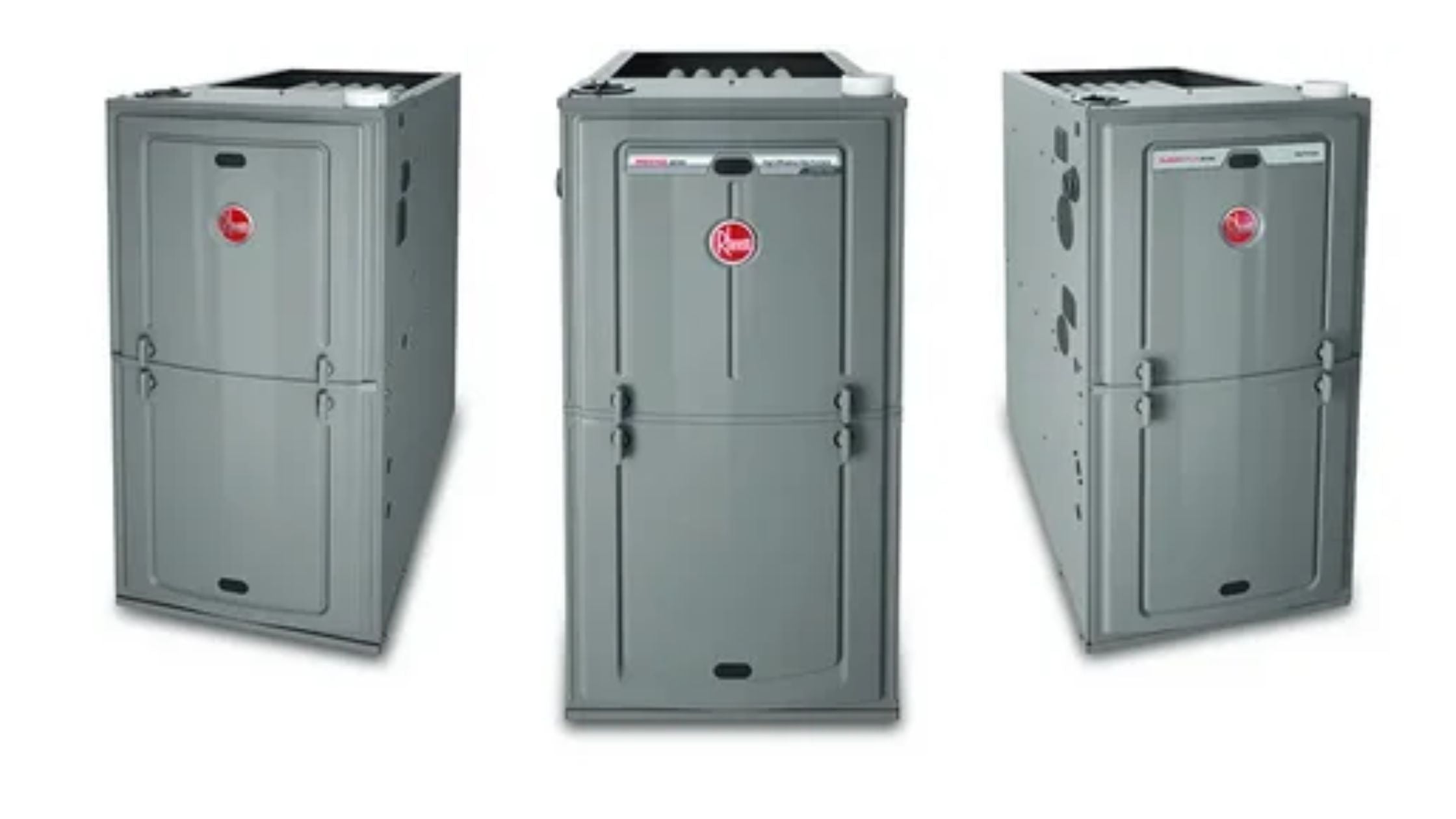
Choosing the right furnace is one of the most critical decisions a homeowner can make for comfort, energy efficiency, and cost savings. With the heating season approaching, selecting a Rheem furnace that aligns with your home size and budget can make all the difference in utility bills and indoor comfort. From gas furnaces to high-efficiency models, understanding the options available is essential to make an informed decision.
What Factors Should You Consider When Choosing a Furnace?
Selecting a furnace isn’t just about picking a brand or model; it requires a detailed evaluation of multiple factors. Homeowners must consider the furnace type, size, energy efficiency, budget, and the specific needs of their household. A well-chosen furnace ensures consistent heat, lower energy costs, and a longer lifespan.
Furnace Size: Matching Heating Capacity to Your Home
One of the most common mistakes homeowners make is purchasing a furnace that is either too small or too large for their home. Furnace sizing is determined by BTUs (British Thermal Units), which measures the amount of heat a furnace can produce.
Why proper sizing matters:
- An undersized furnace will struggle to heat your home during cold months, resulting in inconsistent temperatures.
- An oversized furnace may cycle on and off too frequently, causing wear and tear, reduced efficiency, and higher energy bills.
Professional contractors often use a Manual J calculation to accurately determine the heating requirements of your home based on square footage, insulation quality, ceiling height, and climate zone. For guidance, check out this furnace sizing guide to better understand how to match your furnace to your home’s needs.
Furnace Size vs. Home Square Footage (Approximate BTU Guidelines)
|
Home Size (sq. ft.) |
Climate Zone |
Recommended BTUs |
|
1,000 - 1,500 |
Mild |
40,000 - 60,000 |
|
1,500 - 2,500 |
Moderate |
60,000 - 90,000 |
|
2,500 - 3,500 |
Cold |
90,000 - 120,000 |
Furnace Types: Gas, Electric, and Oil
Furnaces are available in multiple types, each with distinct advantages and considerations:
- Gas Furnaces: Highly popular due to their efficiency and cost-effectiveness. They are ideal for colder regions where continuous heat is needed. Many Rheem furnaces for sale are gas-powered, featuring high AFUE ratings and advanced combustion technology.
- Electric Furnaces: Easier to install and maintain, electric furnaces are suitable for milder climates but generally have higher operating costs compared to gas units.
- Oil Furnaces: Although less common today, oil furnaces provide strong heating performance for larger homes but require storage tanks and more maintenance.
Within these types, there are operational variations:
- Single-stage furnaces operate at full power whenever heat is required, which is simple and reliable but less energy-efficient.
- Two-stage furnaces adjust output between high and low settings, offering better comfort and energy efficiency.
- Modulating furnaces finely tune the heating output for precise temperature control, providing maximum efficiency and comfort.
For homeowners weighing options, a furnace comparison chart can be incredibly useful in selecting the right model for your needs.
Energy Efficiency: Understanding AFUE Ratings and Cost Savings
Energy efficiency is a critical consideration when purchasing a furnace. The Annual Fuel Utilization Efficiency (AFUE) rating measures how effectively a furnace converts fuel into heat.
- Furnaces with an AFUE of 80% convert 80% of fuel to heat, with 20% lost.
- High-efficiency models, such as Rheem furnaces, can reach 98% AFUE, dramatically reducing energy costs over time.
Estimated Annual Savings Based on AFUE
|
Furnace AFUE Rating |
Annual Energy Cost |
Savings Compared to 80% AFUE |
|
80% |
$1,500 |
- |
|
90% |
$1,200 |
$300 |
|
95% |
$1,050 |
$450 |
|
98% |
$1,000 |
$500 |
High-efficiency furnaces are often more expensive upfront but provide significant long-term savings, especially in regions with prolonged winters. Balancing furnace budget with efficiency is key to maximizing value.
Cost Considerations: Finding the Right Furnace Within Your Budget
When evaluating Rheem furnaces for sale, it is essential to consider both the initial purchase price and long-term operating costs. Budget-friendly options are available that still offer reliable performance, while high-efficiency units are a smart investment for those seeking lower energy bills.
Other factors affecting total cost include:
- Installation complexity
- Required ductwork adjustments
- Maintenance needs and warranty coverage
Homeowners can often reduce costs by purchasing through wholesale HVAC equipment suppliers or combining installation with other home energy improvements.
Installation and Maintenance
Proper installation ensures your furnace operates safely and efficiently. DIY installation is not recommended, as it can void warranties and create safety hazards. Licensed HVAC professionals will ensure correct sizing, proper venting, and adherence to local building codes.
Routine maintenance, such as filter replacement, duct cleaning, and annual inspections, prolongs furnace lifespan and maintains efficiency. Advanced Rheem furnaces often include features like variable-speed blowers and self-diagnostic systems, simplifying maintenance and monitoring.
Choosing the Right Furnace for Your Home Type
Different home designs and construction materials can impact furnace performance:
- Older homes may have less insulation, requiring a larger capacity furnace.
- Newly built homes often have modern insulation and air sealing, allowing smaller furnaces to perform efficiently.
- Multi-story homes might benefit from zoning systems or modulating furnaces to maintain consistent temperatures across floors.
These factors reinforce the importance of professional evaluation before purchase.
FAQs About Choosing a Furnace
-
How do I know which furnace size is correct for my home?
A Manual J load calculation performed by a certified HVAC contractor provides an accurate assessment of your home’s heating requirements. -
What is the difference between gas and electric furnaces?
Gas furnaces are more cost-effective and ideal for cold climates, while electric furnaces are easier to install and maintain but may have higher operating costs. -
Are high-efficiency furnaces worth the investment?
Yes, high-efficiency models reduce energy costs over time and provide better comfort, making them a worthwhile long-term investment. -
How often should I service my furnace?
Annual maintenance is recommended to keep your furnace running efficiently and to prevent costly repairs. -
Can I compare furnace models online?
Absolutely. Using resources like a furnace comparison guide can help evaluate different models based on efficiency, features, and budget.
Conclusion
Selecting the ideal furnace involves careful consideration of your home size, climate, heating requirements, and budget. Rheem furnaces offer a broad range of options from budget-friendly gas units to high-efficiency models with advanced features. Incorporating professional sizing, comparing models, and understanding energy efficiency ensures you make a smart, long-term investment.
At The AC Outlet, we specialize in providing tailored HVAC solutions for every home. Our expert team can help you choose and install the perfect furnace to maintain comfort, reduce energy bills, and ensure reliable performance year-round. Whether it’s a Rheem furnace or other trusted brands, we provide comprehensive service to meet your heating needs.


