


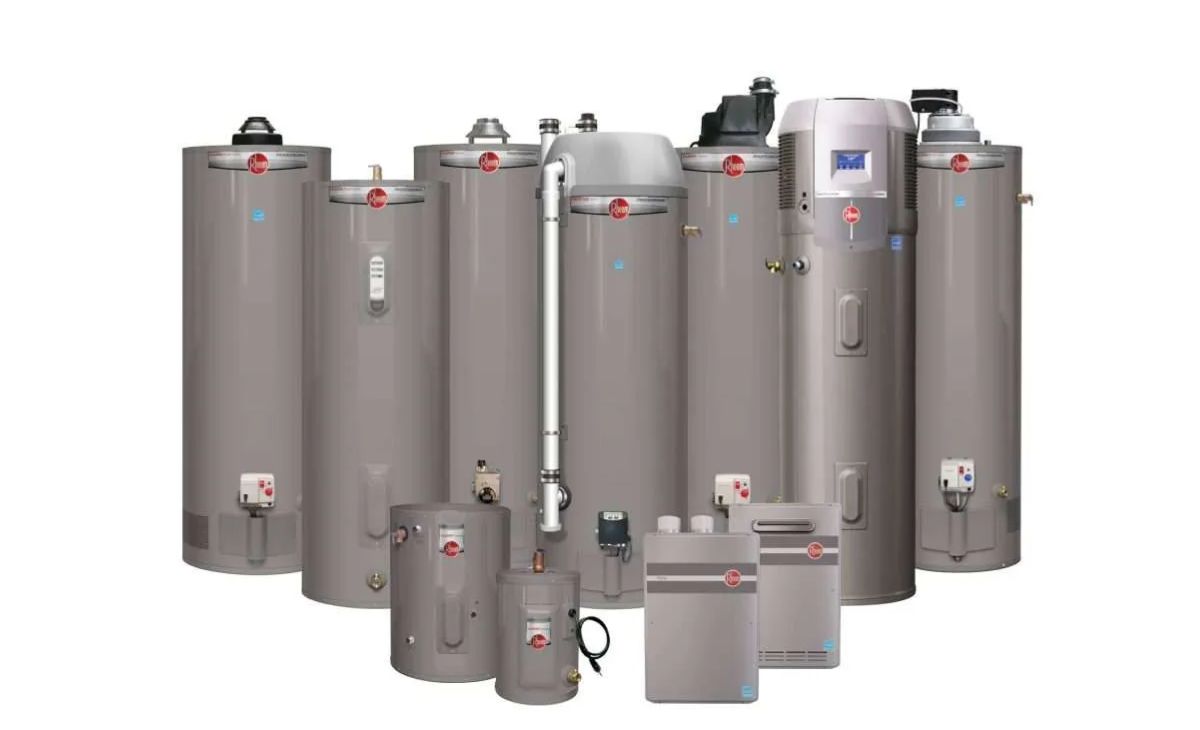
Choosing the right heating system is one of the most important decisions a homeowner can make. The right solution not only keeps a property warm during harsh winters but also affects monthly utility bills, long-term maintenance, and even environmental impact. With several options available—furnaces, heat pumps, boilers, and mini split systems—it’s important to understand how each works and which one best suits different needs. This guide explores how popular heating equipment options compare, explains their costs, and offers practical advice to help homeowners make the right choice.
What Are the Main Types of Heating Systems?
There are several types of heating systems commonly found in American homes:
- Furnaces – The most common choice in colder climates, furnaces burn fuel (natural gas, propane, or oil) or use electricity to generate warm air, which is circulated through ductwork.
- Heat Pumps – Instead of generating heat, heat pumps transfer it from the outside air (or ground) to the inside. They also double as cooling systems in summer.
- Boilers – These systems heat water or produce steam that is distributed through radiators or radiant flooring.
- Ductless Mini Split Systems – A modern solution, these minisplit systems deliver heating and cooling without the need for ducts.
While all of these fall under the umbrella of Wholesale HVAC equipment, the right choice depends on climate, home design, and energy-efficiency goals.
How Do Furnaces Work?
A furnace generates heat by burning fuel or using electricity. The air is warmed inside the heat exchanger and pushed through ducts by a blower fan.
Advantages of furnaces:
- Quick, powerful heating for cold climates
- Compatibility with existing duct systems
- Widely available as part of wholesale HVAC equipment supplies
Drawbacks:
- Heat loss through ducts can reduce efficiency
- Gas furnaces require regular inspections for safety
- Less environmentally friendly compared to heat pumps
How Do Heat Pumps Work?
Heat pumps are unique because they do not create heat—they move it. Even in cold temperatures, outdoor air or ground heat can be captured and transferred indoors. In summer, the process reverses, providing cooling.
Advantages of heat pumps:
- High efficiency, especially in moderate climates
- Serve as both heating equipment and cooling systems
- Lower operating costs than furnaces over time
Drawbacks:
- Performance can drop in extremely cold climates (though new cold-climate models improve this)
- Higher upfront installation cost
Boilers: Traditional Comfort with Radiant Heat
Boilers use water or steam to heat spaces through radiators or underfloor tubing. They provide consistent warmth without forced-air circulation.
Advantages of boilers:
- Even, radiant heating
- Quiet operation
- Durable and long-lasting (15–20 years or more)
Drawbacks:
- Slower to respond compared to furnaces or mini split systems
- More expensive installation
- Not as versatile for cooling
How Do Ductless Mini Split Systems Compare?
Ductless mini split systems—also called minisplit systems—are becoming increasingly popular. They consist of an outdoor condenser and indoor air-handling units connected by refrigerant lines. Unlike furnaces, they don’t require ducts.
Advantages:
- Energy-efficient, eliminating duct losses
- Zoned heating and cooling for different rooms
- Compact design and quiet operation
- Function as both heaters and air conditioners
Drawbacks:
- Higher upfront cost than some furnaces
- Indoor wall-mounted units may not appeal to every homeowner’s aesthetics
For a detailed explanation, see how do ductless mini split work.
Efficiency and Lifespan: Comparing Systems
|
Heating System |
Efficiency Rating |
Average Lifespan |
Best Suited For |
|
Gas Furnace |
80–98% AFUE |
15–20 years |
Very cold climates |
|
Electric Furnace |
95–100% AFUE |
15–20 years |
Areas with low electric rates |
|
Heat Pump |
200–300% (HSPF 8–10) |
12–15 years |
Mild to moderate climates |
|
Boiler |
80–95% AFUE |
15–20 years |
Homes needing radiant heat |
|
Mini Split |
200–300% (SEER 20–30, HSPF 9–12) |
12–15 years |
Zoned or ductless homes |
Environmental Impact of Heating Systems
Energy efficiency and environmental impact are increasingly important when choosing HVAC equipment.
- Furnaces that burn fossil fuels release greenhouse gases, though high-efficiency models minimize waste.
- Heat pumps and mini split systems use electricity, which can be renewable, making them more eco-friendly.
- Boilers vary depending on the fuel used but are generally less efficient than heat pumps.
For eco-conscious homeowners, heat pumps and ductless mini splits are typically the greener choice.
Fuel Type Comparisons
Different heating systems rely on various fuel sources:
- Natural Gas: Affordable in many regions but not always available.
- Electricity: Versatile and clean at the point of use, though costs vary by region.
- Propane or Oil: Used in rural areas but generally more expensive.
- Renewable Electricity: When paired with solar panels, heat pumps and mini splits offer the cleanest operation.
Maintenance Requirements
Regular maintenance ensures longevity and efficiency:
- Furnaces require filter changes, blower checks, and annual inspections.
- Heat Pumps need coil cleaning and refrigerant checks.
- Boilers require pressure monitoring and occasional bleeding of radiators.
- Mini split systems need indoor filter cleaning and outdoor coil checks.
Proactive care also helps avoid unexpected repair costs and extends system lifespans.
Regional Recommendations
The right heating equipment depends largely on local climate:
- Northeast & Midwest: Gas furnaces and boilers work well in freezing winters.
- South & West Coast: Heat pumps and mini split systems shine in moderate climates.
- Mixed Climates: Hybrid systems (furnace + heat pump) balance efficiency and reliability.
Cost Considerations and Wholesale Options
System costs vary based on type, size, and efficiency:
- Furnaces: $2,500–$7,500 installed
- Heat Pumps: $4,000–$12,000 installed
- Boilers: $4,000–$9,000 installed
- Mini Split Systems: $3,000–$14,500 depending on zones
Buying through wholesale HVAC equipment suppliers often lowers upfront costs, especially for contractors or homeowners upgrading multiple systems. For a detailed breakdown of installation expenses, see how much mini split systems cost or reach out through Contact us for personalized guidance.
FAQs About Heating Systems
-
Which heating system is most cost-effective?
In cold climates, high-efficiency furnaces are cost-effective. In moderate regions, heat pumps or mini splits often save more in the long run. -
Can one system handle both heating and cooling?
Yes. Heat pumps and ductless mini split systems provide both heating and cooling. -
Do boilers last longer than furnaces?
Typically, boilers and furnaces last about the same—15 to 20 years—though maintenance can extend lifespan. -
Which system is easiest to install?
Ductless mini splits are less invasive and faster to install compared to ducted furnaces or boilers. -
Is wholesale HVAC equipment reliable?
Yes. Buying through wholesale suppliers often provides the same branded HVAC equipment at lower prices.
Choosing the Right Heating Equipment
Finding the right heating solution depends on climate, budget, and household preferences. Furnaces remain the traditional choice for cold winters, heat pumps and mini split systems offer modern efficiency, and boilers provide radiant comfort. Evaluating costs, maintenance, and energy efficiency helps homeowners make the right long-term investment. For expert guidance and access to reliable heating equipment and HVAC equipment, The AC Outlet provides tailored solutions and access to high-quality systems, including wholesale HVAC equipment options to fit every budget.


