


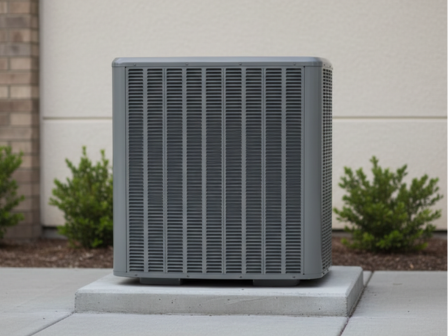
Geothermal heat pumps have become a revolutionary solution for homeowners and businesses seeking energy-efficient, cost-effective, and eco-friendly heating and cooling systems. A geothermal HVAC system harnesses the earth's natural heat, providing reliable year-round comfort while significantly reducing utility bills. This comprehensive guide explores the benefits of geothermal heat pumps, outlines the installation process, and helps homeowners understand the associated costs and considerations. For expert guidance and installation, The AC Outlet is a trusted provider in delivering top-quality geothermal solutions.
What is a Geothermal Heat Pump and How Does It Work?
A geothermal heat pump is an innovative HVAC system that transfers heat between the ground and a building. Unlike traditional heating systems that rely on fossil fuels or electricity for direct heating, geothermal systems use the earth's stable underground temperature as a heat source in winter and a heat sink in summer.
There are two primary configurations: closed-loop systems, which circulate a water-based solution through buried pipes, and open-loop systems, which use groundwater directly for heat exchange. Both systems connect to an indoor heat pump unit that distributes the heated or cooled air throughout the home.
Geothermal systems, including products like the ClimateMaster Tranquility 18 (SC) Compact Series, are designed to exceed energy efficiency standards such as ASHRAE 90.1, making them an environmentally responsible choice. Homeowners can rely on The AC Outlet for professional system selection and installation.
Why Should Homeowners Consider a Geothermal HVAC System?
The benefits of geothermal heat pumps go beyond comfort. These systems provide substantial advantages in terms of energy efficiency, cost savings, and environmental impact:
-
Energy Efficiency: Geothermal systems can achieve efficiencies of 300–600% on the heating side, far surpassing conventional furnaces and air conditioners.
-
Cost Savings: Although upfront costs are higher, the operational savings over time make them a smart investment. Homeowners can reduce utility bills by 30–70% compared to traditional HVAC systems.
-
Eco-Friendly: Geothermal heat pumps use renewable energy from the earth, lower carbon footprints, and often qualify for LEED® points and government incentives.
ClimateMaster models, such as the Tranquility SC, utilize R-454B low-GWP refrigerants, making them an environmentally conscious choice. Features like the Refrigerant Detection System (RDS) ensure safety and compliance with current EPA mandates, while innovations such as double-isolation compressor mounting reduce noise for quiet operation. The AC Outlet ensures that all these advanced features are properly installed for maximum efficiency.
How Much Does Geothermal Heat Pump Installation Cost?
The geothermal heat pump installation cost depends on several factors, including system size, loop type, ground conditions, and labor. On average, homeowners can expect:
|
System Type |
Typical Installation Cost (USD) |
Notes |
|
Closed-loop (horizontal) |
$10,000 – $25,000 |
Requires trenching; cost varies with yard size |
|
Closed-loop (vertical) |
$20,000 – $40,000 |
Requires drilling; ideal for limited space |
|
Open-loop |
$15,000 – $30,000 |
Uses groundwater; efficiency depends on water availability |
Additional costs may include ductwork modifications, indoor air handler installation, and permits. Though upfront costs are higher than conventional HVAC systems, the long-term operational savings and available tax incentives often result in a favorable payback period of 5–10 years. For detailed cost estimates and professional installation, The AC Outlet can provide a personalized quote.
What is the Geothermal Heat Pump Installation Process?
Installing a geothermal system involves several steps:
-
Site Assessment: An HVAC contractor evaluates soil conditions, yard space, and building energy requirements.
-
System Design: Proper sizing is crucial. Engineers calculate heating and cooling loads to select the right heat pump unit and loop configuration.
-
Ground Loop Installation: Depending on the system type, installers either trench horizontal loops or drill vertical wells. Heat transfer fluid circulates through these loops to transfer thermal energy.
-
Indoor Unit Installation: The indoor air handler and ductwork are integrated with the geothermal unit. Modern units like the ClimateMaster Tranquility SC provide easy access panels and microprocessor controls for smooth installation.
-
System Startup and Testing: Technicians test the system, calibrate controls, and ensure compliance with safety standards.
Proper installation is critical for achieving optimal energy efficiency and minimizing maintenance issues. The AC Outlet specializes in precise installation, ensuring every geothermal system performs at its best.
Energy Efficiency and Environmental Benefits
A geothermal HVAC system is one of the most efficient ways to heat and cool a home:
- It uses renewable energy from the earth, which is naturally replenished.
-
Reduces greenhouse gas emissions compared to fossil fuel-based systems.
- Often qualifies for rebates and federal or state incentives, making it financially attractive.
For example, the ClimateMaster Tranquility SC Series uses low-GWP refrigerant and meets stringent environmental regulations, making it a sustainable choice for eco-conscious homeowners. Trust The AC Outlet to guide the most energy-efficient and environmentally friendly options for your home.
Comparison With Conventional HVAC Systems
|
Feature |
Geothermal Heat Pump |
Conventional HVAC |
|
Energy Efficiency |
300–600% |
80–95% |
|
Year-Round Comfort |
Yes |
Seasonal variations |
|
Environmental Impact |
Low |
High (carbon emissions) |
|
Noise Level |
Quiet (with double isolation) |
Moderate to high |
|
Maintenance Requirements |
Low |
Moderate to high |
This table highlights why geothermal systems are increasingly chosen over traditional furnaces and air conditioners for long-term savings and environmental benefits. The AC Outlet ensures homeowners experience these advantages through professional installation and support.
Maintenance and Longevity
Geothermal systems are known for their durability. The underground loop can last 50+ years, while the indoor unit typically lasts 20–25 years. Routine maintenance involves:
- Checking refrigerant levels and loop pressure
- Inspecting the air handler and ductwork
- Cleaning filters and monitoring microprocessor controls
With proper care, a geothermal system ensures reliable home comfort and sustained energy savings. The AC Outlet provides ongoing maintenance services to maximize system longevity.
FAQs About Geothermal Heat Pumps
-
How long does a geothermal heat pump last?
The underground loops can last over 50 years, while indoor units typically last 20–25 years with proper maintenance. -
Are geothermal systems noisy?
Modern units like the ClimateMaster Tranquility SC feature double isolation compressors and sound-absorbing insulation, ensuring quiet operation. -
Can a geothermal heat pump work in all climates?
Yes, geothermal systems are effective in both hot and cold climates, providing year-round heating and cooling. -
Do geothermal heat pumps qualify for rebates?
Many federal and state programs offer incentives, rebates, or tax credits for installing energy-efficient geothermal systems. -
How much can homeowners save with a geothermal system?
Homeowners can reduce energy bills by 30–70%, depending on system size, local energy costs, and efficiency.
Key Takeaways
Investing in a geothermal heat pump provides homeowners with a combination of comfort, energy savings, and environmental benefits. Systems like the ClimateMaster Tranquility 18 (SC) Compact Series exemplify innovation with low-GWP refrigerants, quiet operation, and easy maintenance. While installation costs are higher than conventional HVAC systems, long-term savings and potential incentives make geothermal solutions a worthwhile investment.
For homeowners looking to optimize indoor comfort and sustainability, understanding geothermal heat pump installation, costs, and benefits is the first step toward smart energy choices. The AC Outlet can guide you through selecting and installing the right system for your home, ensuring a smooth, efficient setup and expert maintenance support.


