


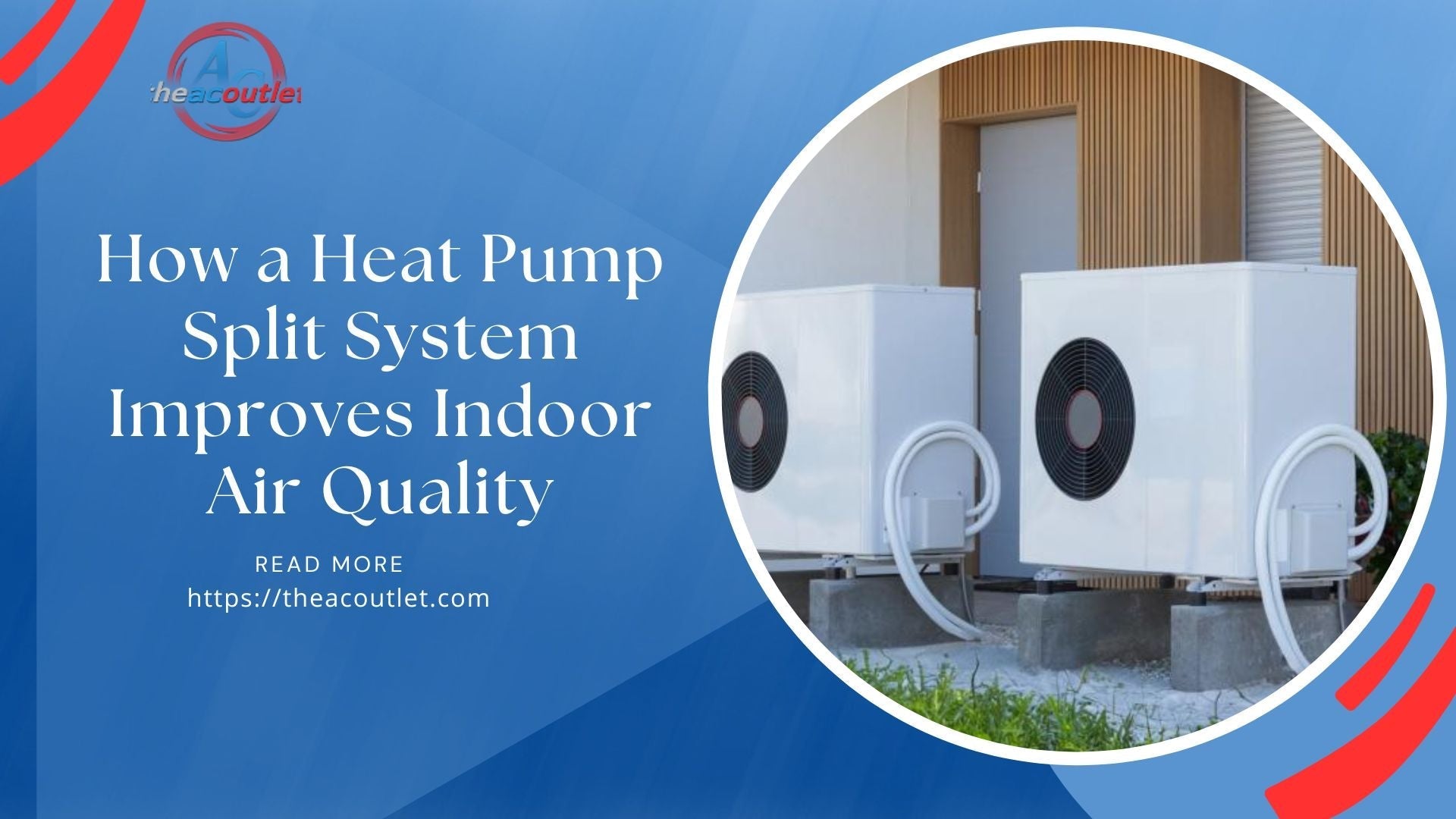
Indoor air quality (IAQ) plays a crucial role in maintaining a healthy and comfortable living environment. Poor IAQ can lead to various health issues, including allergies, asthma, and respiratory problems. Fortunately, modern HVAC technology, particularly the heat pump split system, is designed to not only regulate temperature efficiently but also enhance indoor air quality.
In this article, we will explore how a heat pump split system contributes to better IAQ by filtering airborne contaminants, maintaining optimal humidity levels, and improving air circulation. Whether you're looking to upgrade your HVAC system or simply improve the air quality in your home, understanding the benefits of a heat pump split system is essential.
Understanding Indoor Air Quality (IAQ)
Indoor air quality refers to the cleanliness and healthiness of the air inside a building. Common pollutants that degrade IAQ include:
- Dust and allergens (pollen, pet dander, and dust mites)
- Mold and mildew (resulting from excessive humidity)
- Volatile Organic Compounds (VOCs) from household products
- Bacteria and viruses
- Carbon monoxide and other combustion byproducts
Poor IAQ can cause symptoms such as coughing, sneezing, headaches, and fatigue. Long-term exposure to poor air quality can lead to severe respiratory conditions. A heat pump split system plays a vital role in mitigating these issues by ensuring clean, well-circulated air throughout your home. Learn more about how a heat pump split system works here.
What is a Heat Pump Split System?
A heat pump split system is a two-component HVAC unit that includes an indoor air handler and an outdoor condenser unit. This system works by transferring heat rather than generating it, making it an energy-efficient solution for both heating and cooling. The split system design allows for better temperature and air quality control, unlike traditional centralized HVAC systems that rely on ductwork.
Key Attributes of a Heat Pump Split System:
- High-efficiency heating and cooling: Uses refrigerant technology to transfer heat rather than burning fuel.
- Zoning capabilities: Offers individual temperature control for different rooms.
- Advanced air filtration: Equipped with multi-layer filters to remove airborne contaminants.
- Dehumidification features: Helps maintain ideal humidity levels to prevent mold growth.
- Improved ventilation and airflow: Reduces stale air buildup inside homes.
How a Heat Pump Split System Improves Indoor Air Quality
1. Advanced Filtration for Cleaner Air
One of the biggest advantages of a heat pump split system is its high-quality air filtration system. Unlike standard HVAC units, modern heat pump split systems use multi-stage filtration, including:
- HEPA filters to capture fine dust particles and allergens.
- Activated carbon filters to remove odors and VOCs.
- Electrostatic filters to trap microscopic pollutants.
By filtering out contaminants, a heat pump split system significantly reduces allergy triggers and airborne illnesses inside the home.
2. Humidity Control to Prevent Mold and Mildew
Excessive humidity can create a breeding ground for mold, mildew, and bacteria, all of which can negatively impact IAQ. Heat pump split systems have built-in dehumidification features that regulate moisture levels, ensuring they stay within the optimal range of 30-50%.
- Reduces mold spores and dust mites.
- Prevents musty odors associated with high humidity.
- Helps individuals with respiratory conditions breathe easier.
3. Elimination of Combustion Byproducts
Traditional gas furnaces and heating systems produce carbon monoxide (CO), nitrogen dioxide (NO₂), and other harmful emissions. Because a heat pump split system does not rely on combustion, it eliminates these risks, leading to safer, cleaner indoor air.
- No risk of carbon monoxide poisoning.
- Environmentally friendly refrigerant-based operation.
- Reduces exposure to hazardous air pollutants found in fossil fuel-based heating systems.
4. Improved Air Circulation & Ventilation
A heat pump split system continuously circulates air, preventing stagnation and ensuring consistent airflow throughout a home.
- Even temperature distribution eliminates hot and cold spots.
- Reduces the accumulation of airborne contaminants.
- Some models include air purification technology to neutralize bacteria and viruses.
5. Energy Efficiency and IAQ Benefits
Modern heat pump split systems are designed for maximum energy efficiency, which indirectly improves IAQ:
- Lower energy consumption reduces overall emissions.
- Eco-friendly refrigerants minimize environmental impact.
- Smart technology integration allows for automated air quality monitoring.
Choosing the Right Heat Pump Split System for IAQ
If you're considering upgrading to a heat pump split system, look for features that enhance indoor air quality, such as:
- HEPA or multi-stage filtration.
- Built-in dehumidification settings.
- Smart sensors that monitor and adjust air quality.
- Energy-efficient models with high SEER (Seasonal Energy Efficiency Ratio) ratings.
Maintenance Tips for Optimal IAQ
To ensure that your heat pump split system continues to improve IAQ effectively, follow these maintenance tips:
- Change or clean air filters regularly (every 1-3 months).
- Inspect and clean coils to prevent dust accumulation.
- Ensure proper drainage to avoid moisture buildup.
- Schedule professional maintenance annually for peak efficiency.
- Use air purifiers alongside your system for an extra layer of protection.
Conclusion
A heat pump split system is more than just an energy-efficient heating and cooling solution—it plays a significant role in enhancing indoor air quality. By removing pollutants, regulating humidity, eliminating combustion emissions, and improving air circulation, this system creates a healthier and more comfortable home environment.
Investing in a high-quality heat pump split system with advanced filtration and humidity control can significantly improve your family's health and well-being. Whether you're upgrading your HVAC system or looking for a sustainable IAQ solution, a heat pump split system is an excellent choice. Not sure which option suits your home or business best? Contact The AC Outlet today for expert advice and professional installation tailored to your needs.


