


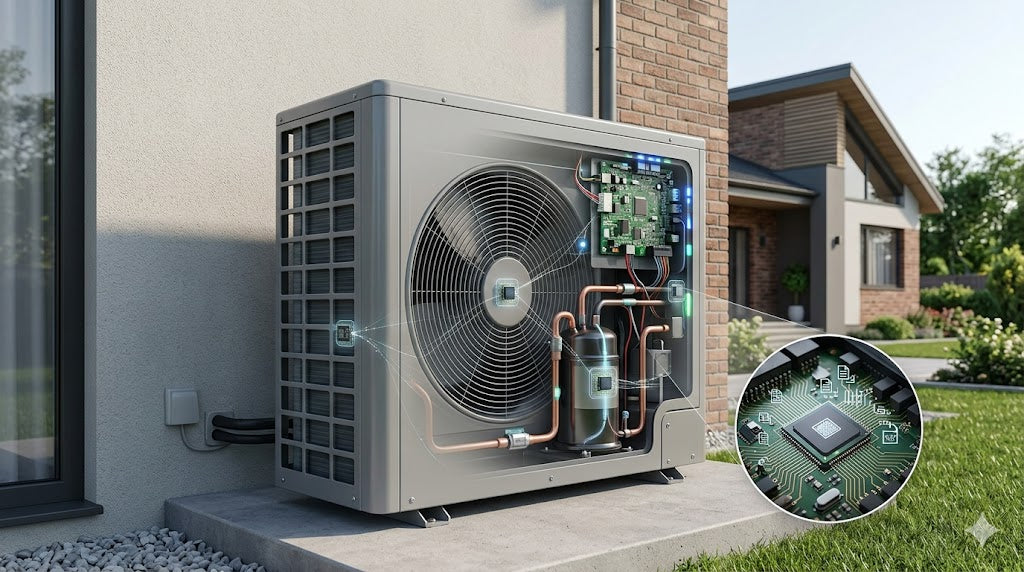
Heating and cooling technology has evolved significantly over the years, and modern heat pump split systems now come equipped with smart features that improve efficiency, comfort, and user control. As homeowners and businesses look for more energy-efficient and convenient climate control solutions, these advanced HVAC systems have become a preferred choice. A heat pump split system is an HVAC unit that consists of an indoor air handler and an outdoor condenser. It transfers heat rather than generating it, making it a cost-effective and eco-friendly alternative to traditional heating and cooling systems. With the integration of smart technology, these systems offer enhanced automation, energy efficiency, remote control capabilities, and air quality monitoring.
This article explores the smart features in modern heat pump split systems, comparing their benefits, efficiency, and how they improve the overall HVAC experience.
Understanding Heat Pump Split Systems
Before diving into the smart features, let’s understand the basics of a heat pump split system:
- Two-part design: Comprises an indoor unit (air handler) and an outdoor unit (compressor and condenser).
- Heating and cooling capability: Works efficiently in both summer and winter by transferring heat.
- Energy efficiency: Uses refrigerant technology to transfer heat rather than burning fuel, reducing energy consumption.
- Ducted or ductless: Available in both ductless mini-split and centralized ducted systems.
With smart technology integration, these systems now offer greater control, automation, and efficiency. Learn more about how a heat pump split system works here.
Smart Features in Modern Heat Pump Split Systems
1. Wi-Fi-Enabled Smart Thermostats
One of the most significant upgrades in modern heat pump split systems is the inclusion of Wi-Fi-enabled smart thermostats. These allow users to:
- Control temperature remotely using a smartphone or tablet.
- Schedule heating and cooling cycles for different times of the day.
- Optimize energy usage by automatically adjusting to occupancy patterns.
- Receive energy consumption reports to track efficiency.
Popular smart thermostats, like Google Nest and Ecobee, can be integrated with heat pump split systems for precise climate control.
2. Artificial Intelligence (AI) and Machine Learning
Smart heat pump split systems now leverage AI-driven technology to learn user preferences and adjust settings accordingly. AI-powered features include:
- Adaptive climate control: The system learns your schedule and automatically adjusts temperature settings.
- Predictive maintenance alerts: Uses AI to detect performance inefficiencies and recommend maintenance before issues arise.
- Weather-based optimization: Adjusts heating or cooling based on real-time weather forecasts.
3. Smart Zoning for Personalized Comfort
Traditional HVAC systems cool or heat the entire house uniformly. However, modern heat pump split systems feature smart zoning, allowing users to:
- Set different temperatures for individual rooms or zones.
- Improve energy efficiency by avoiding over-conditioning unused areas.
- Use multiple indoor units with independent controls.
This zoning capability is particularly beneficial for large homes and office spaces, ensuring personalized comfort.
4. Energy Efficiency Optimization
A key benefit of heat pump split systems is their energy efficiency, which is further enhanced by smart features such as:
- SEER and HSPF Ratings: Smart systems optimize performance to maintain high Seasonal Energy Efficiency Ratio (SEER) and Heating Seasonal Performance Factor (HSPF) ratings.
- Energy monitoring tools: Users can track real-time energy consumption via mobile apps.
- Eco-friendly operation: Smart systems automatically switch between heating and cooling modes for optimal efficiency.
5. Voice Control and Smart Home Integration
Many heat pump split systems can now be integrated with smart home ecosystems, enabling voice commands through:
- Amazon Alexa
- Google Assistant
- Apple HomeKit
With voice control, users can easily adjust temperature settings without needing to manually interact with the thermostat.
6. Advanced Air Quality Monitoring
Indoor air quality (IAQ) is crucial for health and comfort. Smart heat pump split systems come with advanced air purification and monitoring features:
- Built-in air quality sensors: Detect pollutants such as dust, pollen, and VOCs (volatile organic compounds).
- Automatic air filtration adjustment: The system increases fan speed or activates purification when air quality drops.
- Dehumidification mode: Maintains optimal humidity levels to prevent mold and mildew growth.
7. Self-Diagnostic and Predictive Maintenance
One of the most valuable smart features is self-diagnosing and predictive maintenance. These systems:
- Automatically detect malfunctions and alert homeowners or HVAC professionals.
- Provide error codes and troubleshooting tips via mobile apps.
- Reduce downtime and costly repairs with early issue detection.
8. Geo-Fencing and Occupancy Sensors
Geo-fencing technology allows the heat pump split system to adjust settings based on the user's location. It works by:
- Detecting when the user is leaving or approaching home.
- Automatically adjusting temperature settings to save energy.
- Enhancing comfort by pre-heating or pre-cooling rooms before arrival.
Occupancy sensors further improve energy savings by automatically adjusting the system based on room occupancy.
Comparing Smart Heat Pump Split Systems vs. Traditional HVAC Systems
|
Feature |
Smart Heat Pump Split Systems |
Traditional HVAC Systems |
|
Remote Control |
Yes (Wi-Fi-enabled) |
No |
|
Smart Zoning |
Yes |
No |
|
AI Learning |
Yes |
No |
|
Energy Efficiency Optimization |
Yes |
Limited |
|
Air Quality Monitoring |
Yes |
Basic filtration |
|
Self-Diagnosing Maintenance |
Yes |
No |
|
Smart Home Integration |
Yes |
No |
|
Geo-Fencing & Occupancy Sensors |
Yes |
No |
Choosing the Right Smart Heat Pump Split System
When selecting a heat pump split system with smart features, consider the following:
- Compatibility with existing smart home devices.
- SEER & HSPF ratings for optimal energy efficiency.
- Type of air filtration system for better indoor air quality.
- Zoning capabilities for personalized comfort.
- Manufacturer reliability and warranty options.
Conclusion
Smart features in modern heat pump split systems have revolutionized home climate control. With AI-driven automation, energy-efficient optimization, remote access, air quality monitoring, and smart home integration, these systems offer unparalleled comfort and efficiency. Upgrading to a smart heat pump split system is a wise investment for homeowners and businesses looking for convenience, sustainability, and long-term cost savings. Whether you're looking to improve energy efficiency or enhance your home's comfort, smart HVAC technology provides a future-proof solution.
Ready to Upgrade Your HVAC System?
The AC Outlet offers a wide range of HVAC equipment, including heat pump split systems with the latest smart features. Browse our selection today and enjoy energy savings, comfort, and convenience like never before!


