


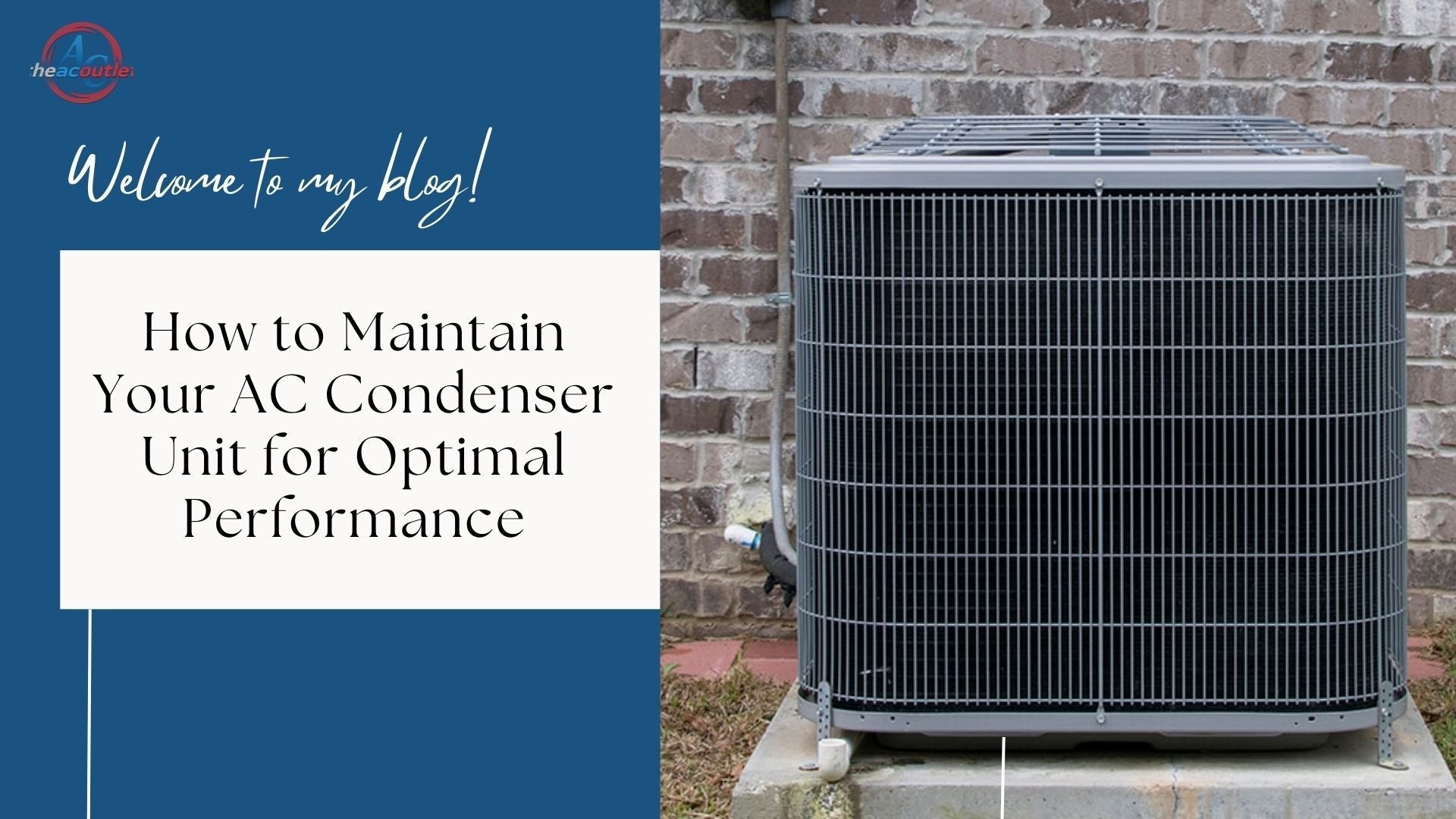
Your AC condenser unit plays a crucial role in keeping your air conditioning system running efficiently. As the component responsible for releasing heat absorbed from your indoor space, a well-maintained air conditioner condenser unit ensures optimal cooling performance and energy efficiency. Neglecting regular upkeep can lead to reduced cooling capacity, higher electricity bills, and potential system failures.
In this guide, we’ll explore essential maintenance tips to keep your AC condensing unit in peak condition, extend its lifespan, and avoid costly repairs.
Why AC Condenser Unit Maintenance Matters
The AC condenser unit is exposed to outdoor elements, making it susceptible to dirt buildup, debris accumulation, and mechanical wear. Proper maintenance helps:
- Improve cooling efficiency
- Reduce energy consumption
- Prevent premature breakdowns
- Extend the lifespan of your AC condenser
- Ensure consistent indoor comfort
Whether you have a residential or commercial air conditioner condensing unit, following a routine maintenance schedule will keep it operating at its best. To learn more about the essential components of your cooling system, check out our article on what is an AC condenser unit and how it works. For tips on maintaining your AC, explore our guide on keeping your air conditioner running efficiently.
Step-by-Step Maintenance for Your AC Condensing Units
1. Regularly Clean the Condenser Coils
The condenser coils in your AC condensing units release heat outside. Over time, dirt and debris accumulate on the coils, reducing efficiency. To clean them:
- Turn off the power to the unit.
- Remove debris from the surrounding area.
- Use a coil cleaner or a mixture of mild detergent and water.
- Gently rinse with a low-pressure hose.
Keeping the coils clean ensures proper heat exchange and prevents strain on your system.
2. Check and Clean the Fins
The aluminum fins on the air conditioner condenser unit facilitate heat dissipation. Bent fins restrict airflow, leading to reduced efficiency. Use a fin comb to straighten them and remove dirt buildup.
3. Clear Debris Around the Unit
Leaves, grass, and dirt can block airflow around your AC condenser unit. Keep a clearance of at least two feet around the unit to ensure unrestricted air circulation.
4. Ensure Proper Airflow
Blocked airflow can strain your AC condenser unit, leading to overheating and system failure. Make sure there are no obstructions, such as furniture or plants, near the unit.
5. Schedule Professional Maintenance
While DIY maintenance helps, an annual HVAC inspection ensures your AC condenser unit is functioning optimally. A technician can detect potential issues early and perform necessary tune-ups.
Signs Your AC Condenser Unit Needs Immediate Attention
Ignoring maintenance can lead to significant problems. Look out for these warning signs:
- Weak or warm airflow – Indicates dirty coils or refrigerant issues.
- Unusual noises – Buzzing or rattling may signal loose components.
- Higher energy bills – A struggling condenser works harder, consuming more power.
- Frequent cycling – The unit turns on and off too often, affecting efficiency.
- Leaks or moisture buildup – Could indicate refrigerant leakage or drainage issues.
If you notice any of these issues, a professional HVAC service is recommended.
Conclusion


