


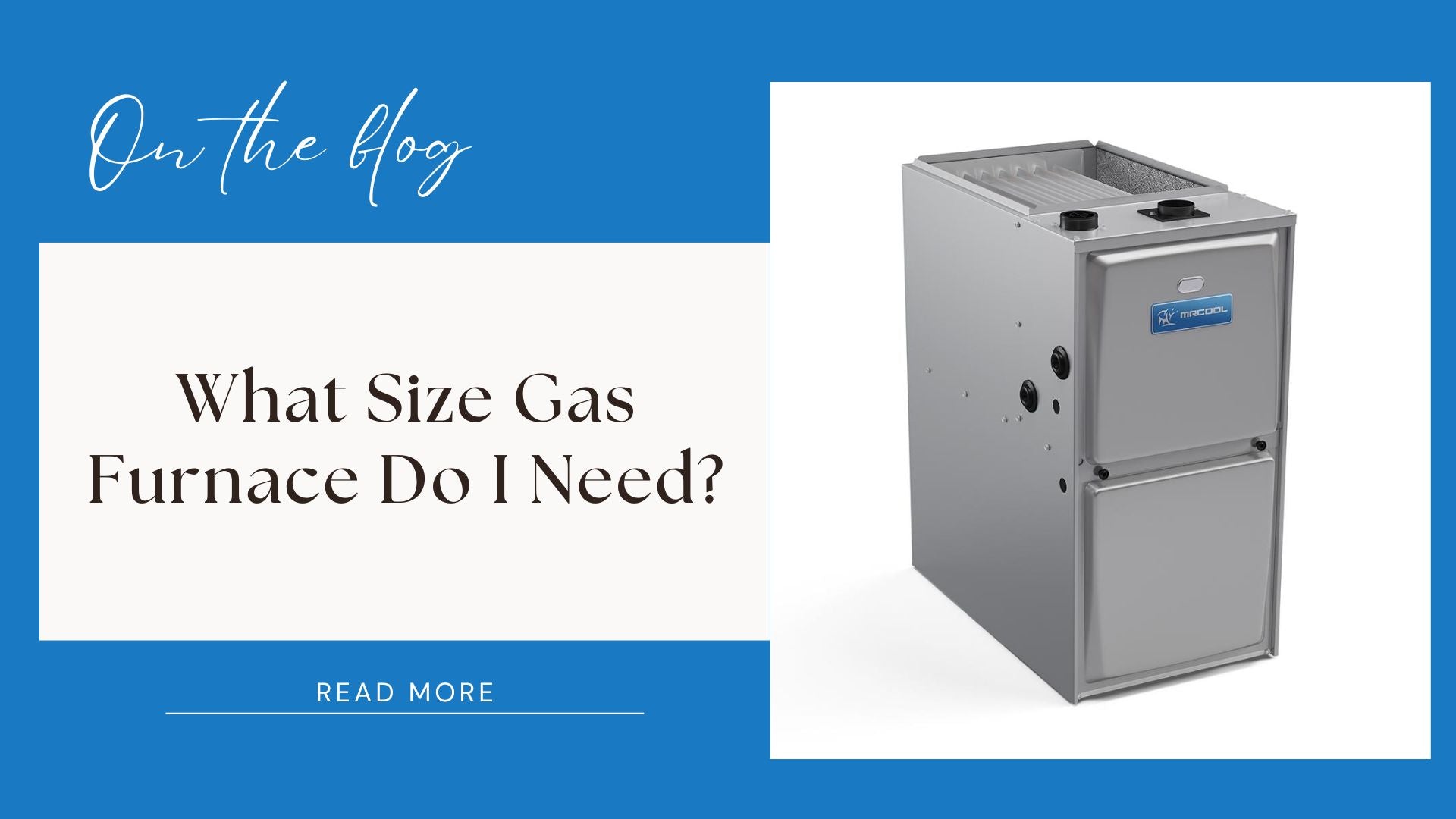
When choosing a gas furnace for your home, selecting the right size is one of the most crucial decisions you'll make. An improperly sized furnace can lead to lower efficiency, higher energy bills, and an uncomfortable living environment. Whether you're considering a gas furnace split system or a simple replacement, understanding how to size your furnace correctly is key to making an informed decision. In this guide, we’ll explore the factors that influence furnace sizing, explain how furnace and air conditioner systems work together, and help you understand the different options available.
Gas Furnace Split Systems: The Ultimate Solution for Heating and Cooling
A Gas Furnace Split System offers the best of both worlds—efficient heating in winter and cooling in summer. This type of system pairs a Gas Furnace with an air conditioning unit, allowing for seamless temperature control throughout the year.
Benefits:
- Year-Round Comfort: Enjoy consistent heating during the colder months and cooling during the warmer months.
- Energy Efficiency: When paired correctly, these systems work together to optimize energy consumption, reducing utility bills.
- Flexible Installation: Split systems are highly versatile and can be installed in a variety of home layouts, making them suitable for both new and existing homes.
Whether you're upgrading your current system or buying a new gas furnace split system, it can be a long-term solution that delivers both comfort and savings, ensuring efficient heating and cooling for years to come.
Why Furnace Size Matters
The size of your furnace directly impacts its performance. A furnace that is too small for your home will struggle to maintain the desired temperature, leading to increased energy consumption and wear and tear on the system. On the other hand, an oversized furnace will cycle on and off frequently, leading to inefficient operation and potentially higher utility costs.
When you’re selecting a furnace, understanding your home's heating load and the role of furnace & air conditioner split systems is essential. Properly sizing your furnace ensures consistent comfort and energy efficiency year-round.
How to Calculate the Right Furnace Size for Your Home
Several factors influence the size of the furnace you need, from the size of your home to its insulation quality and the local climate. Here’s how to break it down:
- Home Size and Layout: Larger homes with multiple stories or open floor plans may require more heating power than smaller, well-sealed homes. The size of the area you need to heat will directly impact the furnace’s BTU (British Thermal Unit) requirement.
- Climate Considerations: If you live in a colder climate, you'll need a furnace with a higher BTU rating to effectively heat your home. Conversely, warmer climates may require a lower BTU rating for optimal efficiency.
- Insulation and Energy Efficiency: Well-insulated Homes retain heat better, reducing the need for a larger furnace. Proper insulation and energy-efficient windows can lower your furnace size requirements and improve overall system efficiency.
- Airflow and Ductwork: The size and condition of your home’s ductwork also play a role. Older or inefficient duct systems may need additional heating power to distribute warmth effectively throughout your space.
According to the U.S. Department of Energy, performing a load calculation is essential for properly sizing your HVAC system. To accurately determine the BTU requirements for your home, you should consult with a licensed HVAC professional.
Beyond sizing: Choosing the Best Gas Furnace for Your Home
Selecting the right furnace for your home involves considering your specific heating and cooling needs, budget, and desired features. Here are some factors to keep in mind:
- AFUE Rating: The Annual Fuel Utilization Efficiency (AFUE) rating measures how efficiently a furnace converts fuel into heat. Look for a furnace with a high AFUE rating (typically 90% or higher) to ensure energy efficiency.
- System Compatibility: Ensure the furnace is compatible with your existing HVAC setup or the new Gas Heat Split System you plan to install.
- Warranty and Support: Consider the manufacturer’s warranty and the availability of customer support for peace of mind.
Explore the variety of High-Efficiency Goodman Gas Furnaces available at The AC Outlet for a combination of high-efficiency heating and long-term durability.
Professional Help: Why You Should Always Consult With an HVAC Expert
While it’s possible to estimate the right furnace size using calculators and online guides, consulting with an HVAC professional is always your best bet. Experts can perform a thorough load calculation based on your home’s specific conditions and provide advice on the best equipment for your needs.
Professional HVAC contractors will help you understand the different options available and ensure that your furnace is correctly sized and installed for maximum efficiency.
Ensuring Comfort and Efficiency with the Right Furnace Size
Choosing the right gas furnace is a key decision that impacts your home’s comfort and energy efficiency. By considering factors like home size, climate, insulation, and cost, you can select the right system for your needs. Whether you’re installing a new Gas Furnace Split System or upgrading your existing furnace, ensuring the correct size will provide long-term benefits in both comfort and savings.


