


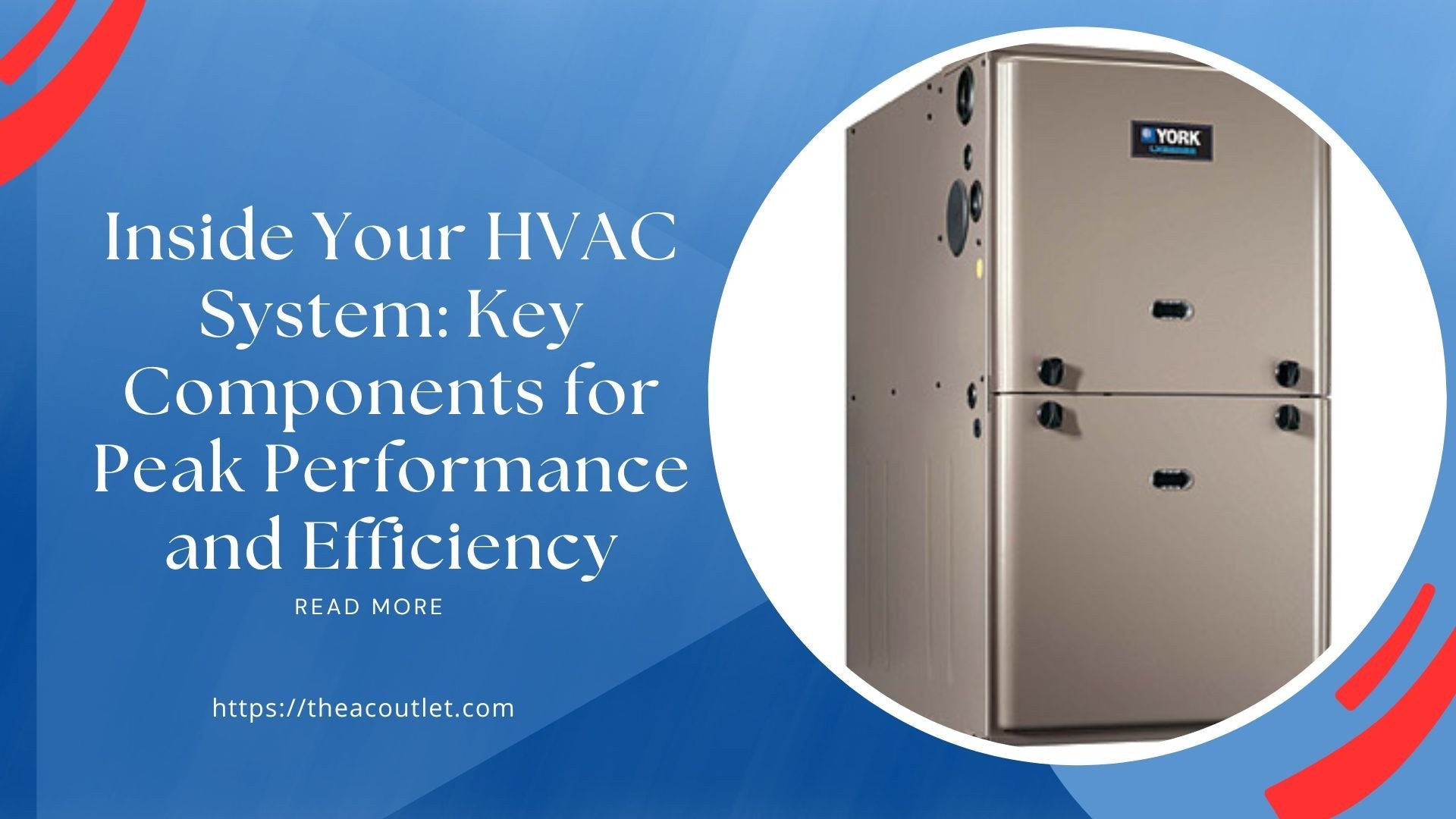
When you think of an HVAC system, you're likely to imagine the heating and air conditioning that keeps your home or business comfortable. But what makes an HVAC system work smoothly and efficiently? The complex array of HVAC units contributes to a system's overall functionality and performance. These components ensure optimal heating and/or cooling, regulate indoor air quality and maintain energy efficiency.
In this article, we’ll explore the key HVAC unit components, how they work together, and why maintaining these components is vital for long-term system performance.
What Are HVAC System Components?
An HVAC system consists of various parts that work together to provide temperature control, air filtration, and ventilation. Let’s break down the most important HVAC components:
-
-
Thermostat
The thermostat acts as the control center for your system, regulating the temperature settings based on user preferences. Modern thermostats are often programmable or "smart," meaning they can adjust settings based on time of day or occupancy, enhancing both comfort and energy efficiency. -
Condenser
The condenser is found outside the home and is the heart of the cooling side of a central AC system. It cools the hot refrigerant gas by releasing the heat absorbed from inside, turning it back into a liquid state. Within the condenser is the compressor.
The compressor is a core part of your HVAC system, responsible for circulating refrigerant throughout the system. It compresses the refrigerant gas, allowing it to absorb and release heat as it moves through the system, a key part of the cooling process. -
Evaporator Coil
The evaporator coil is either located inside the air handler or electric furnace or can be a stand-alone unit. Its job is to absorb heat from the air in your home. When the refrigerant absorbs heat, it transforms from a low-pressure gas to a high-pressure liquid, which is then cycled back to the condenser coil. -
Air Handler
The air handler is an AC component specific to electric split systems. It houses the blower fan, evaporator coil, and other components. It is responsible for circulating air through the system.
-
Thermostat
Furnace
A furnace is a key part of a gas or dual-fuel split system, providing heat by burning natural gas or propane. It warms air through a heat exchanger and distributes it via ductwork to maintain indoor comfort during colder months.
-
Blower Fan
The blower fan is responsible for moving air over the evaporator coil and throughout the ductwork in each room. This component can either come as a modular unit or, more often, inside of an air handler or furnace. -
Ductwork
The ductwork carries treated air to different parts of your home. Proper insulation and sealing of the ducts are essential to avoid air loss, improving system efficiency. -
Refrigerant Lines
Refrigerant lines transport refrigerant between the evaporator coil and the condenser coil, facilitating the cooling process by absorbing and releasing heat from the air.
Why HVAC Unit Components Matter
Each of these components plays an integral role in ensuring that your HVAC system operates efficiently and effectively. If one part fails or becomes inefficient, it can affect the entire system. For example:
- A malfunctioning compressor or evaporator coil can lead to improper cooling and increased energy costs.
- A clogged air filter can reduce airflow, affecting overall performance and air quality.
- Refrigerant leaks can decrease cooling capacity and cause the system to overwork.
Regular maintenance and timely repairs for these critical HVAC system components are essential for preventing breakdowns and improving system longevity.
Key AC Components to Know About
When it comes to AC components, there are several essential parts to ensure your air conditioning system is working effectively:
-
Air Filter
The air filter traps dust, dirt, and debris to prevent them from circulating through your HVAC system and air ducts. Regularly replacing or cleaning your filter helps maintain both indoor air quality and system performance. -
Thermostatic Expansion Valve (TXV)
The TXV controls the amount of refrigerant released into the evaporator coil, allowing for precise temperature regulation and preventing issues like coil freezing or overheating. -
Furnace Components
In addition to cooling, HVAC systems also provide heating. Gas Furnace components like the heat exchanger, blower motor, and flame sensor ensure efficient heating during colder months.
How To Maintain HVAC System Components
Maintaining the integrity of these components is vital for system longevity. Regular HVAC maintenance can help keep everything running smoothly. Here are a few tips to maintain your HVAC components:
- Regularly replace or clean air filters to maintain airflow and air quality.
- Schedule annual professional maintenance for a thorough inspection and cleaning of all components.
- Check refrigerant levels regularly and refill as necessary to prevent inefficiency.
- Clean the condenser coils to remove dirt, leaves, and debris that can impede airflow.
Understanding the key HVAC components that make up your heating and cooling system is essential for ensuring comfort, air quality, and energy efficiency. By staying on top of maintenance and replacing faulty parts with quality AC components, you can prolong the life of your system and avoid costly repairs. Shop premium-quality wholesale HVAC equipment at unbeatable prices, perfect for residential and commercial needs. Shop our extensive range of HVAC systems, components, and accessories with fast shipping and exclusive deals.


