


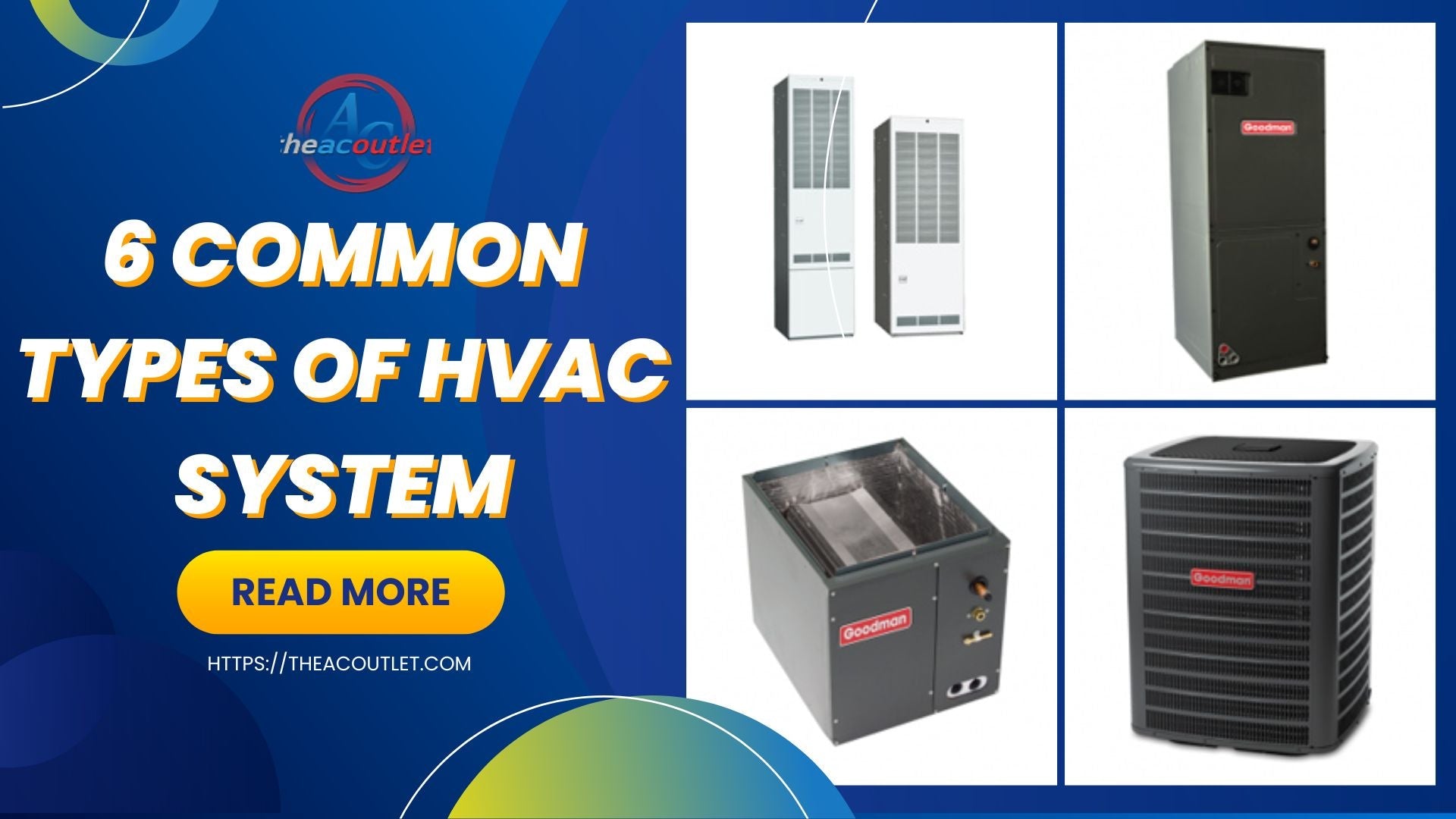
When it comes to indoor comfort, understanding the various types of HVAC systems is essential for homeowners and businesses alike. Whether you're building a new home or maintaining an existing one, knowing the components and functionality of your HVAC unit can make a significant difference in energy efficiency, comfort, and system longevity.
In this article, we'll take a dive into the 6 common types of HVAC systems, their system components.
1. Split HVAC Systems
The split HVAC system is one of the most common types of HVAC unit components. It divides the heating and cooling units into two main parts: the indoor unit (air handler or furnace and evaporator coil) and the outdoor unit (condenser).
Key Components:
- Compressor: Circulates refrigerant between the indoor and outdoor units.
- Evaporator Coil: Absorbs heat and cools the air inside.
- Heat Exchanger: Transfers heat from burned gas to air, warming your space safely.
Statistical Insight: According to the U.S. Department of Energy, properly maintained split systems can reduce energy usage by 15% compared to unserviced systems.
2. Dual Fuel Heat Pump Systems
A hybrid heat pump system combines the features of an air-source heat pump with a furnace. It switches between electricity and gas for heating, depending on the outdoor temperature, offering energy efficiency year-round.
Key Components:
- Heat Pump: Moves heat between the indoor and outdoor units.
- Furnace: Provides supplemental heating during very cold months.
3. Ductless Mini-Split Systems
Ideal for homes without ductwork, ductless mini-split systems consist of an outdoor compressor and indoor air-handling units. These systems are highly efficient for specific zones in a home.
Key Components:
- Indoor Air Handler: Provides conditioned air directly to the room.
- Outdoor Condensing Unit: Houses the compressor and condenser.
Packaged HVAC Systems
Packaged HVAC systems contain all heating and cooling components in one unit, often installed on the roof or a concrete slab on the ground next to the building. These systems are ideal for homes with limited indoor space.
Key Components:
- Compressor: Compresses refrigerant to transfer heat.
- Blower: Circulates air throughout the space.
Geothermal Water Source Heat Pump Systems
A geothermal heat pump uses the stable underground temperature to heat and cool your home, making it one of the most eco-friendly HVAC types available.
Key Components:
- Ground Loop: Transfers heat between the system and the ground.
- Heat Pump: Moves heat to and from the ground.
Statistical Insight: Homes with geothermal heat pumps have reported energy savings of 30-60% annually on heating and cooling costs. According to the Geothermal Exchange Organization, over 50,000 homes in the U.S. have adopted geothermal systems in the past five years.
Packaged Terminal Air Conditioners (PTACs)
Common in hotels and apartments, PTACs are self-contained units that provide both heating and cooling. These are often installed in the wall for easy access and maintenance.
Key Components:
- Compressor: Cools the air.
- Heat Pump: Provides heating.
Maintaining Your HVAC Components for Long-Term Efficiency
Regular maintenance of HVAC components can improve energy efficiency by up to 20% and extend the lifespan of your system. Industry studies show that well-maintained systems are less prone to breakdowns, which can save homeowners hundreds of dollars on repairs annually. According to customers, homeowners who maintain their heating and cooling systems at least once a year report 40% fewer breakdowns and 20% lower energy costs.


