


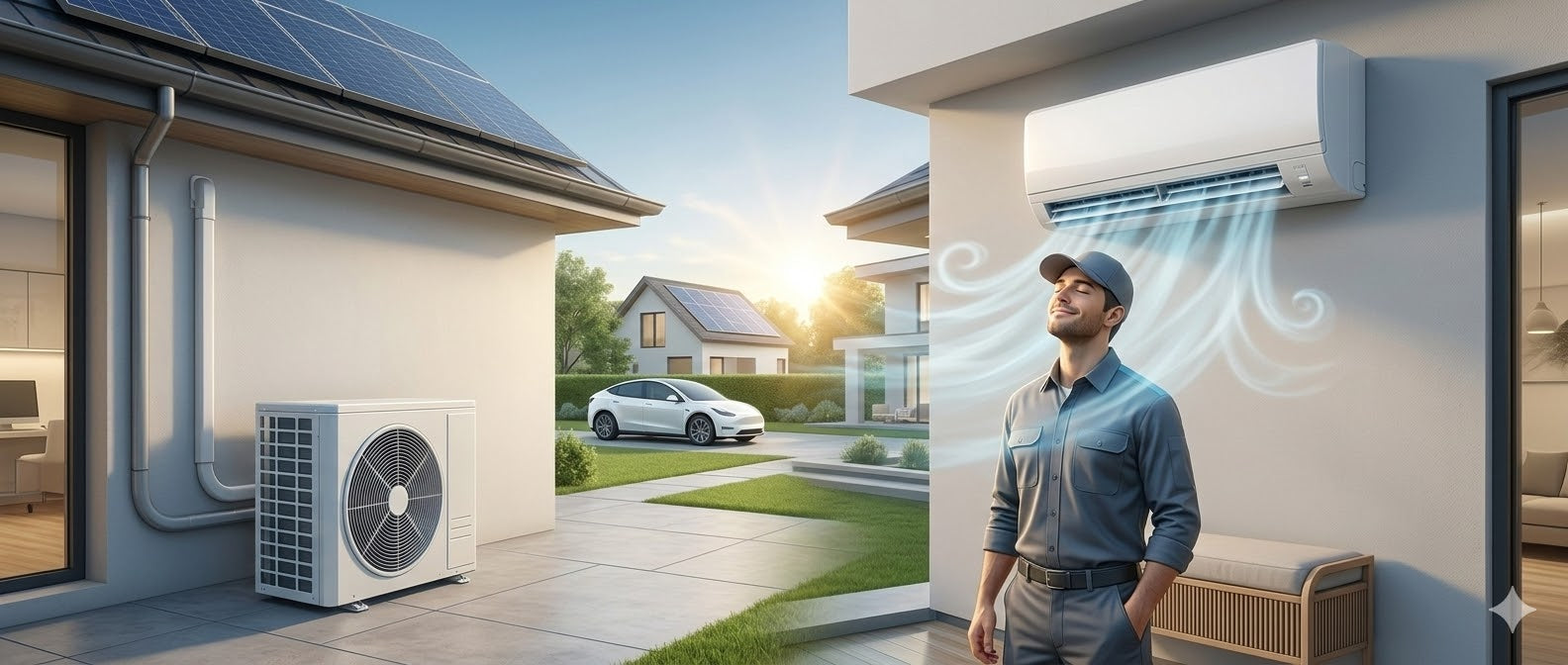
When homeowners plan to upgrade their cooling system, one of the first questions they ask is how much it will actually cost. A 3 ton AC unit is one of the most commonly installed residential air conditioning systems because it provides enough cooling power for medium-to-large homes while maintaining reasonable energy consumption.
However, the total cost goes beyond just purchasing the equipment. Installation expenses, efficiency ratings, electricity usage, and system components all contribute to the final price. In 2026, pricing can vary significantly depending on the brand, efficiency level, and installation complexity.
This guide explains the typical equipment cost, installation expenses, and long-term operating costs of running a 3 ton AC unit so homeowners can plan their HVAC investment more accurately.
Average Cost of a 3 Ton AC Unit in 2026
The price of a 3 ton AC unit condenser varies depending on the manufacturer, efficiency rating, and technology used.
Typical equipment price range:
$1,200 – $6,800
Lower-cost systems usually include:
- Single-stage compressors
- Basic SEER ratings
- Standard components
Higher-end models typically offer:
- Two-stage or inverter compressors
- Higher SEER2 efficiency ratings
- Advanced energy-saving features
Many contractors and homeowners purchase equipment through suppliers like The AC Outlet, which provides a large inventory of Wholesale HVAC Equipment including multiple 3-ton condenser options from well-known brands.
Total Installation Cost
Installing a new air conditioner involves much more than simply placing the condenser outside. Professional HVAC installation includes electrical connections, refrigerant lines, system testing, and airflow adjustments.
In 2026, the average total installation cost for a 3 ton AC unit typically falls between:
$4,000 – $9,500
This price generally includes:
- Outdoor condenser unit
- Indoor evaporator coil
- Refrigerant line connections
- Electrical wiring and disconnect
- System charging and testing
- Labor costs
However, installation costs can increase depending on the home’s HVAC configuration.
Factors That Affect Installation Pricing
Several variables can influence the final cost of installing a 3 ton AC unit.
1. Ductwork Condition
If existing ductwork is damaged or outdated, it may need repairs or replacement. Proper airflow is essential for cooling performance, so many installations require duct adjustments.
Typical ductwork upgrades can add:
$500 – $3,000
2. System Efficiency Rating
Higher efficiency systems cost more upfront but often reduce long-term energy bills.
Common efficiency ratings for 3-ton systems include:
SEER ratings:
- 13 SEER
- 14 SEER
- 16 SEER
- 17+ SEER
SEER2 ratings:
- 13.4 SEER2
- 14.3 SEER2
- 15.2 SEER2
- 17.2 SEER2
- 19.0 SEER2
Units with higher SEER2 ratings typically cost more but use less electricity.
3. Compressor Technology
The type of compressor used in the system also affects pricing.
Single-Stage Compressors
- Lowest upfront cost
- Basic cooling performance
Two-Stage Compressors
- Better temperature control
- Improved efficiency
Inverter Compressors
- Variable-speed operation
- Highest efficiency and comfort levels
Inverter systems usually carry a higher price but offer lower long-term energy consumption.
4. Home Layout and Installation Difficulty
Some homes require additional labor due to complex installation conditions.
Examples include:
- Limited installation space
- Difficult electrical access
- Roof-mounted units
- Older homes with outdated HVAC infrastructure
These factors can increase installation costs.
Monthly Electricity Cost of Running a 3 Ton AC Unit
Operating costs depend on electricity rates, climate conditions, and how frequently the system runs.
A typical 3 ton AC unit uses approximately:
3,000 – 3,500 watts per hour
If the system runs around 8 hours per day during summer, energy consumption may look like this:
Daily usage:
3.2 kW × 8 hours = 25.6 kWh
Monthly usage (30 days):
25.6 × 30 = 768 kWh
If electricity costs $0.15 per kWh, the monthly cooling cost would be approximately:
$115 per month
However, energy-efficient systems with higher SEER ratings may reduce electricity usage.
Annual Cooling Cost Estimate
In warmer climates where air conditioners run for longer periods, homeowners may spend:
$900 – $1,500 per year
on cooling with a 3 ton AC unit.
Homes in cooler climates may spend less because the system runs fewer hours.
Energy efficiency improvements such as proper insulation, sealed ductwork, and programmable thermostats can significantly reduce annual operating costs.
Refrigerant Types Used in Modern Systems
Modern HVAC systems use environmentally safer refrigerants compared to older units.
Common refrigerants used in new 3 ton AC unit systems include:
R-410A
- Long-time industry standard
- Reliable cooling performance
R-32
- Higher efficiency
- Lower environmental impact
R-454B
- Next-generation refrigerant
- Reduced global warming potential
Many new systems entering the market are transitioning toward R-454B refrigerant technology.
Popular Brands for 3 Ton AC Units
Several trusted HVAC manufacturers produce reliable 3-ton systems. Homeowners and contractors often compare brands based on efficiency ratings, reliability, and warranty coverage.
Common brands available through Wholesale HVAC Equipment suppliers include:
- Airquest
- EcoTemp
- Goodman
- OxBo
- Revolv
- Ruud / Rheem
- TuttoKool
- York
Each brand offers different configurations designed to meet various budgets and efficiency requirements.
Tips to Reduce Long-Term Cooling Costs
Installing the right system is only part of the equation. Homeowners can lower operating costs by improving overall energy efficiency.
Helpful tips include:
- Upgrade attic insulation
- Seal air leaks around doors and windows
- Use programmable thermostats
- Maintain clean air filters
- Schedule annual HVAC maintenance
These steps help the system operate more efficiently and extend its lifespan.
Is a 3 Ton AC Unit Worth the Investment?
For many homes between 1,600 and 2,200 square feet, a 3 ton AC unit provides the ideal balance between cooling power and efficiency.
While installation costs may seem significant initially, the right system size ensures:
- Better indoor comfort
- Lower energy bills
- Longer equipment lifespan
- More reliable cooling performance
Choosing high-quality equipment from trusted suppliers such as The AC Outlet allows homeowners and contractors to access reliable systems and competitive pricing on Wholesale HVAC Equipment.


