


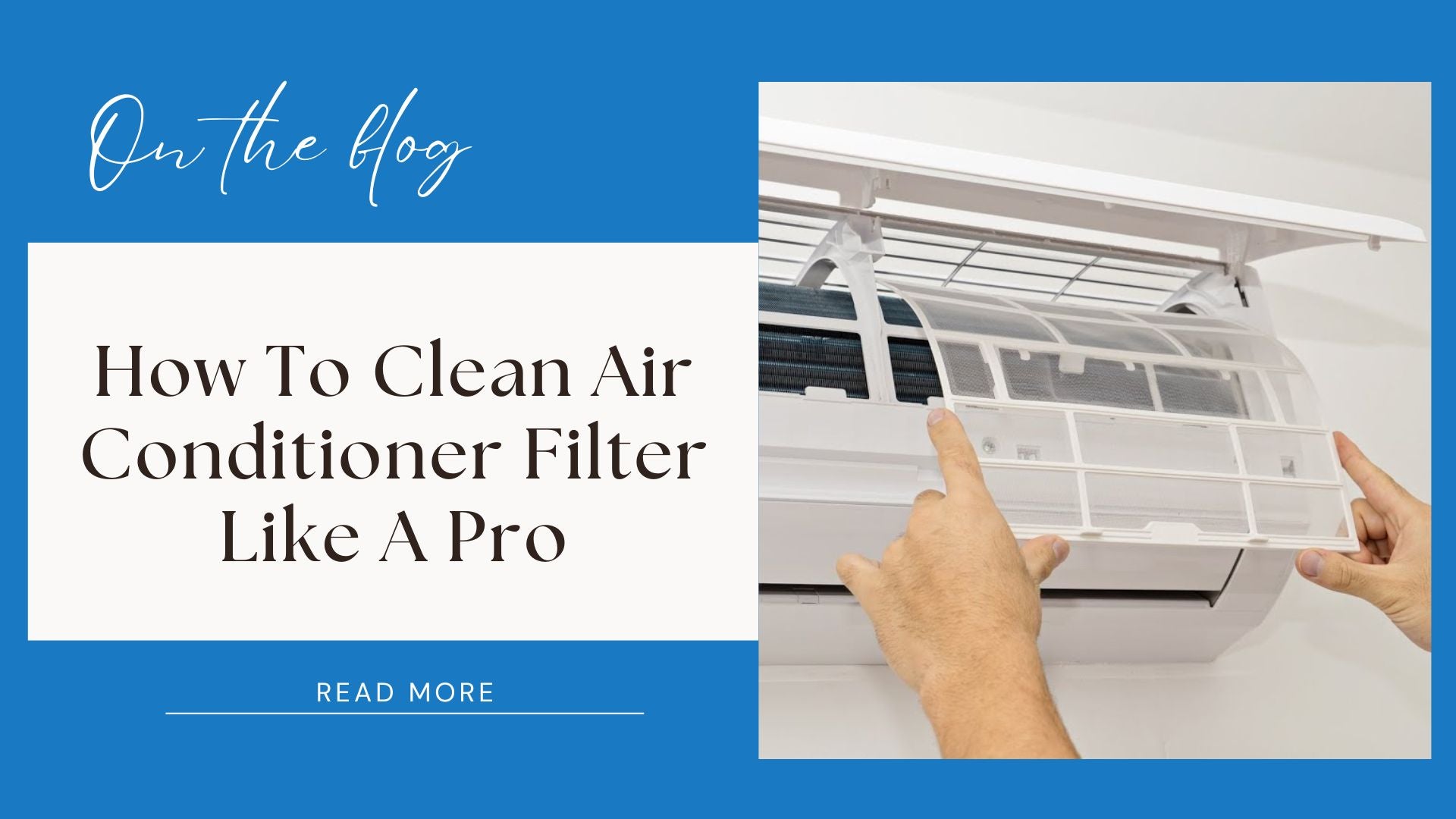
Your air conditioner works tirelessly to keep your indoor environment cool and comfortable, especially during the hotter months of the year. Yet, many homeowners overlook one of the most essential aspects of its maintenance—keeping the air filter clean. A dirty or clogged air conditioner filter can severely restrict airflow, reduce cooling efficiency, cause higher electricity bills, and even affect indoor air quality.
Fortunately, cleaning your AC filter is a simple task you can do yourself, and when done properly, it can help your system run more efficiently, extend its lifespan, and maintain healthier air in your home. If you've never cleaned your AC filter before or you're not sure if you're doing it correctly, this guide will walk you through the process step-by-step—just like a professional would.
Why Cleaning the AC Filter Is So Important
The air filter in your air conditioning system serves a critical role—it traps dust, dirt, pollen, pet dander, and other airborne particles before they enter your indoor space. Over time, these particles accumulate and form a dense layer on the filter, obstructing airflow. This forces your AC to work harder to maintain the desired temperature, which not only increases energy usage but also strains the internal components of the system.
Beyond reduced efficiency, a clogged filter can also lower indoor air quality. Poor filtration means more allergens and pollutants circulate throughout your home, potentially triggering allergies, asthma, or respiratory discomfort. Regularly cleaning or replacing the filter helps avoid these issues and keeps your air fresh and clean.
If you're concerned about rising utility costs due to poor airflow, check out our recent guide on how to reduce your AC bill without turning it off. You’ll find practical strategies that go hand-in-hand with regular filter maintenance.
How Often Should You Clean Your Air Conditioner Filter?
The frequency of cleaning depends on a few variables, including the type of filter, the usage of your air conditioner, and environmental factors such as dust levels, pet presence, and outdoor pollution.
As a general rule, reusable or washable filters should be cleaned every two to four weeks during heavy-use seasons. In homes with pets, smokers, or allergy-sensitive residents, cleaning may need to be more frequent. Disposable filters, on the other hand, should be replaced every one to three months depending on manufacturer recommendations.
Regardless of the type, the golden rule is to inspect your filter monthly. If it looks dirty or clogged, it’s time to clean it.
What You’ll Need Before You Start
Cleaning your air conditioner filter doesn’t require specialized tools or costly equipment. Before getting started, make sure you have the following on hand:
-
A vacuum cleaner with a soft brush attachment
-
A mild detergent or dish soap
-
Warm water
-
A soft-bristled brush (optional)
-
A clean towel or cloth for drying
Make sure your air conditioner is turned off before you begin. It’s always best to disconnect the unit from the power source entirely to avoid any electrical risks.
Step-by-Step Guide to Cleaning Your AC Filter
To clean your AC filter like a pro, you’ll want to follow a detailed and careful process.
- Start by locating the filter. In a central air conditioning system, the filter is usually found behind a return air grille or inside the air handler unit. For window or split units, the filter is typically behind the front grille of the indoor component. Carefully remove the cover or panel and take out the filter.
- Next, examine the filter’s condition. If it’s covered in thick dust or looks gray instead of white, a cleaning is definitely due. For washable filters, begin by using a vacuum cleaner with a brush attachment to remove loose dust and debris. Work gently to avoid damaging the filter media.
- Once vacuumed, fill a basin or sink with warm water and a small amount of mild detergent. Soak the filter for 15–20 minutes to break down stubborn dirt. Use a soft brush if necessary to dislodge deeper grime, but avoid scrubbing too hard, as that may damage the filter fibers. Rinse thoroughly with clean water until all soap residue is gone.
- Shake the excess water off the filter gently and lay it flat on a towel in a shaded, well-ventilated area. Allow it to air dry completely before reinserting it into the unit. Installing a damp filter can lead to mold growth and musty odors—something you absolutely want to avoid.
- Once the filter is dry, place it back into the unit, secure any access panels, and restore power to your air conditioner.
When to Replace Instead of Clean
Some filters, especially disposable fiberglass or pleated filters, are not designed to be washed. If your filter appears damaged, frayed, or permanently discolored after cleaning, it’s a good sign it’s time for a replacement. Always check the manufacturer’s instructions to determine whether your filter is reusable or disposable.
For those living in smaller spaces, where compact or portable air conditioning units are used, maintaining clean filters is even more crucial. Systems in tight spaces can get dirty faster and operate under greater strain. If you’re considering upgrading your unit, read our expert recommendations on the 10 best air conditioners for small rooms in 2025 for systems designed for optimal performance and easy maintenance.
Other Tips for Cleaner Air and Better Efficiency
While cleaning your air conditioner filter is a major part of AC maintenance, don’t overlook other small habits that make a big difference. Make sure all vents and registers are unblocked by furniture or curtains to promote proper airflow. Keep windows and doors closed when the AC is running, and regularly dust and vacuum your home to reduce the load on the filter.
If your AC has a reusable filter but seems to clog quickly or deliver reduced performance, consider upgrading to a higher-quality filter. Just make sure it’s compatible with your unit’s airflow requirements. Investing in professional servicing once a year will also ensure your system is running at its best and that issues like refrigerant levels, fan motor performance, and evaporator coil cleanliness are all in check.
Conclusion
Cleaning your air conditioner filter may seem like a small task, but it plays a big role in your system’s overall efficiency, air quality, and energy consumption. By maintaining a regular cleaning schedule and understanding when to replace filters entirely, you’ll not only keep your AC running smoothly—you’ll also enjoy cleaner air and lower utility bills.
It’s a simple habit that offers lasting benefits, especially when paired with energy-saving strategies like those found in our AC bill reduction guide. And if you’re shopping for a new unit for a smaller space, our breakdown of the top air conditioners for small rooms in 2025 will point you in the right direction. For quality products at competitive prices, be sure to check out The AC Outlet—your trusted source for reliable air conditioning units and accessories.
Make filter maintenance a regular part of your home care routine, and your air conditioner will thank you—with quieter operation, better airflow, and longer life.


