


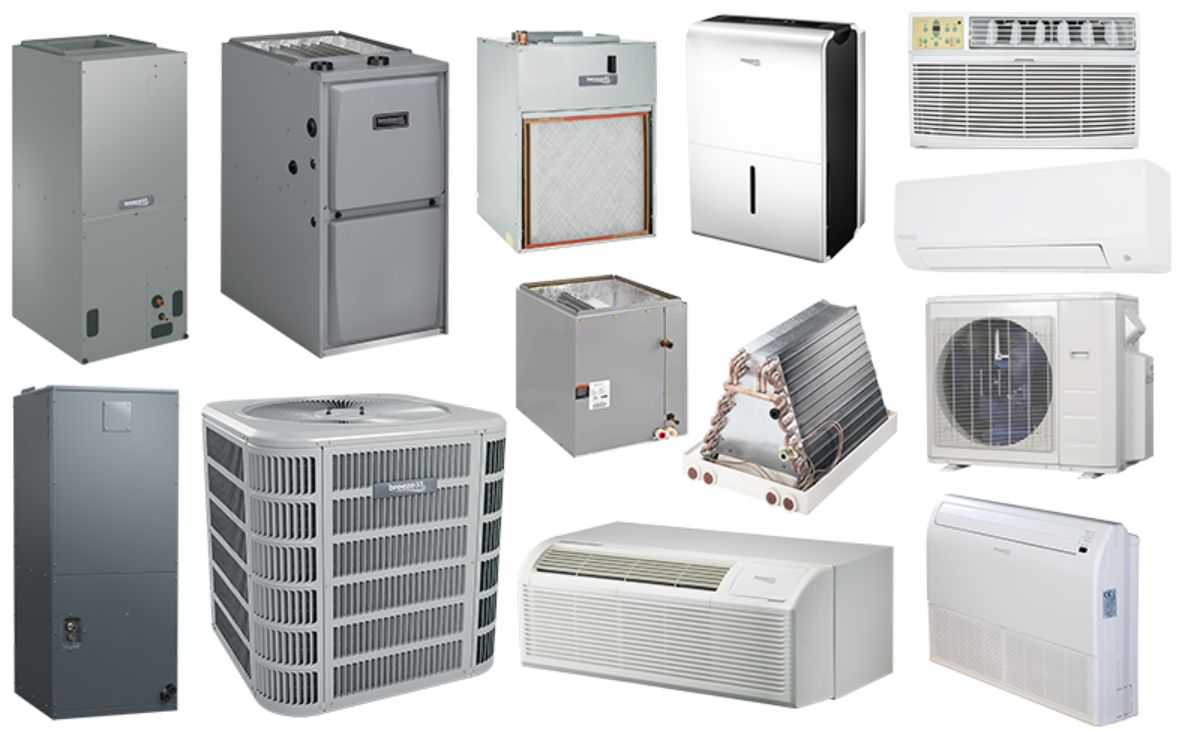
When homeowners consider HVAC equipment fundamentals, they dive into a world of systems that shape indoor comfort, energy efficiency, and air quality. HVAC Equipment plays a critical role in regulating temperature, humidity, and ventilation in a home. Readers must grasp both traditional essentials and smart, modern innovations—from furnaces to smart thermostats and energy recovery systems.
Top 10 HVAC Equipment
1. Furnace
A furnace remains a cornerstone of many HVAC systems, particularly in colder climates. This HVAC equipment generates heat—via natural gas, propane, oil, or electricity—and distributes it through ductwork using a blower. Furnaces are appreciated for their ability to produce robust, consistent warmth and typically offer a lifespan of 15–20 years, with some units exceeding that with proper care.
2. Air Conditioner
Cooling systems such as central air conditioners or split systems are indispensable in warmer months. Working alongside furnaces or heat pumps, air conditioners cool the air by transferring heat outside. Efficiency is often measured via SEER ratings (Seasonal Energy Efficiency Ratio), which indicate how efficiently a system cools. Some modern ductless mini-split systems boast very high SEER ratings—sometimes up to 42—for exceptional energy savings.
3. Heat Pump
A heat pump both warms and cools by transferring heat between the home and the outside environment. Heat pumps, especially air-source models, offer high efficiency and can reduce energy usage significantly. In suitable climates, they outperform furnaces in operational cost and carbon footprint. These systems also allow homeowners to switch seamlessly between heating and cooling, offering flexibility and long-term savings.
4. Thermostat
Thermostats control HVAC operation. Today, smart thermostats take center stage—allowing remote control, programmable schedules, and integration with energy-saving incentive programs. Modern programmable or smart thermostats make temperature management intuitive and efficient.
5. Air Handler / Blower Unit
Every forced-air HVAC system relies on an air handler or blower to circulate conditioned air. It serves as a link between heating and cooling units and the ductwork, ensuring balanced airflow throughout the home.
6. Ductwork & Air Distribution
Invisible yet vital, ductwork forms the backbone of air distribution. Proper design and installation not only enhance comfort but also minimize energy loss. Without well-designed ducts, even the best HVAC Equipment delivers subpar results.
7. Indoor Air Quality (IAQ) Enhancers
Improving air quality is a growing concern in maintaining home comfort. Equipment like whole-house air scrubbers, purifiers, humidifiers, and dehumidifiers addresses pollutants, allergens, and moisture imbalances. They contribute significantly to health and comfort.
8. Ventilators: HRV & ERV Systems
Heat Recovery Ventilators (HRVs) and Energy Recovery Ventilators (ERVs) play a crucial role in contemporary HVAC setups. These ventilators exchange stale indoor air with fresh outdoor air while recovering thermal energy—boosting efficiency and air quality.
9. Fan Coil Units (FCUs)
Fan coil units—compact devices containing a heat exchanger and a fan—are common in smaller or zoned HVAC layouts. They regulate temperature in specific areas and are valued for their flexibility and ease of maintenance.
10. Zoning Systems & Variable-Speed Drives
Zoning systems allow distinct areas of a home to be heated or cooled independently, optimizing comfort and reducing energy waste. Variable-speed drives, found in advanced fans and compressors, adjust output based on real-time demand—enhancing efficiency and reducing operational noise.
Comparison of Heating Options
|
Equipment |
Function |
Pros |
Cons |
|
Furnace |
Generates heat |
Strong heating, long lifespan |
Higher operational cost |
|
Heat Pump (ASHP) |
Transfers heat via refrigerant |
Efficient heating & cooling |
Higher installation cost |
Air Quality & Ventilation Equipment
|
Equipment |
Primary Benefit |
|
Air Purifier / Scrubber |
Reduces pollutants and allergens |
|
Humidifier / Dehumidifier |
Balances indoor humidity for comfort |
|
HRV / ERV |
Exchanges air while retaining energy |
5 Frequently Asked Questions (FAQs)
How often should HVAC equipment be maintained?
Routine seasonal maintenance—especially in spring and fall—ensures reliable performance and prolongs the lifespan of HVAC Equipment components like filters, coils, and compressors.
Q2: Which is more efficient: a heat pump or a furnace?
Heat pumps are generally more energy-efficient due to their method of transferring heat. Furnaces perform better in extremely cold climates but may cost more to operate.
Q3: What do SEER ratings mean for homeowners?
SEER (Seasonal Energy Efficiency Ratio) rates cooling efficiency. Higher SEER means more efficient cooling—ductless mini-splits today can reach high values for impressive energy savings.
Q4: Can I add air quality equipment to my existing HVAC system?
Yes. Integrating equipment like air purifiers, humidifiers, or ERVs is common and effective, often providing immediate comfort and health benefits.
Q5: How does a smart thermostat improve HVAC performance?
Smart thermostats allow for remote access, adaptive scheduling, and participation in energy-saving programs, optimizing HVAC Equipment usage for comfort and cost-efficiency.
Conclusion
In summary, an informed homeowner should be familiar with a range of HVAC Equipment—from traditional systems like furnaces and air conditioners to advanced components like smart thermostats, HRVs/ERVs, and IAQ enhancers. Recognizing the functions and benefits of each part empowers homeowners to make decisions that enhance comfort, efficiency, and air quality.
With an expert team behind the scenes, The AC Outlet provides comprehensive support—helping homeowners assess individual components, understand how to choose the right HVAC equipment for your home or business, and precisely install advanced systems tailored for long-term value. For any further assistance or tailored recommendations, please don’t hesitate to contact us.


