


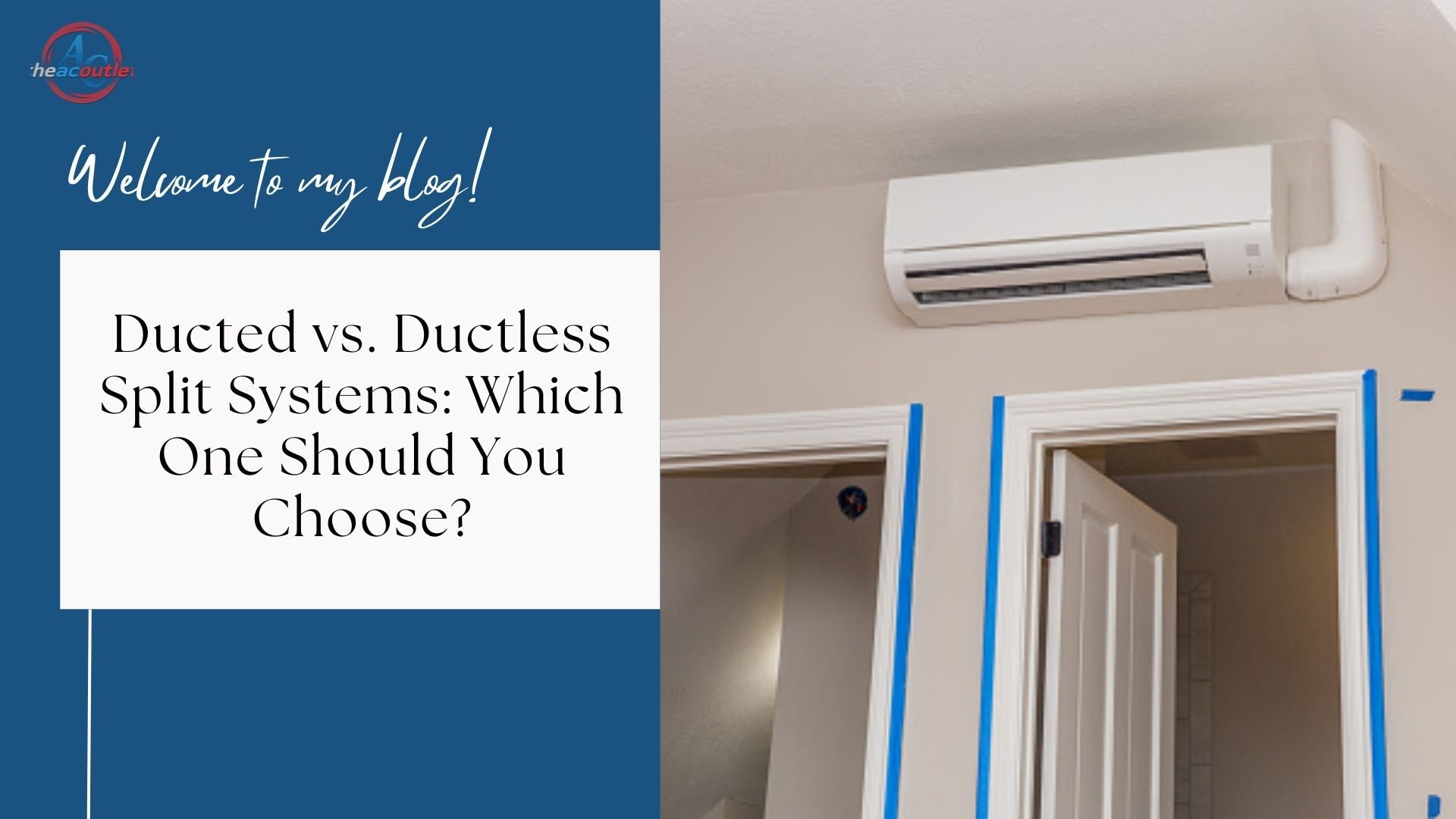
When it comes to upgrading your home's air conditioning, the choice between a ducted and ductless split system is one of the most important decisions you’ll face. Both systems offer distinct advantages and are designed to meet different comfort, efficiency, and aesthetic needs. Understanding the differences between ducted and ductless split systems will help you choose the best option tailored to your space, budget, and lifestyle.
Understanding the Basics
A ducted split system consists of an indoor unit that distributes air through a network of ducts and vents across multiple rooms. These systems are often hidden in ceilings or under floors, providing centralized cooling with minimal visible impact on your home’s interior.
In contrast, a ductless split system—often referred to as a mini-split—includes one or more wall-mounted indoor units connected to an outdoor compressor. These systems are popular in homes where installing ducts would be difficult or costly, such as older buildings, small apartments, or home additions.
For a foundational overview of how split systems work, including types and benefits, read our in-depth guide: The Ultimate Guide to Split System Air Conditioning.
Efficiency and Energy Usage
Ductless split systems are known for their exceptional energy efficiency. Because they bypass the need for ducts, there is no energy loss through leaky or poorly insulated ductwork—an issue that can account for up to 30% of energy consumption in traditional systems. Many ductless units also offer zoned cooling, allowing you to condition only the rooms you're using, which further reduces utility bills.
On the other hand, ducted systems are often more efficient when cooling or heating an entire home. Modern ducted units feature variable-speed motors, smart thermostats, and zoning dampers to better control airflow. While they may lose some efficiency through the ducts, their centralized operation can be more effective for consistent, whole-home comfort.
Installation Complexity and Cost
Ductless systems are generally easier and faster to install, particularly in homes without existing ductwork. A basic mini-split system can be up and running in a day, depending on the number of indoor units required. This simplicity makes ductless systems ideal for renovations or room-specific upgrades.
In contrast, ducted systems require a more complex installation process, especially if your home lacks existing ductwork. This can involve significant labor and construction, which raises the initial cost. However, for new construction or homes that already have ducts in place, installing a ducted split system can be more straightforward and cost-effective.
To better understand system sizing and avoid over- or under-conditioning your space, see our full guide: How to Properly Size a Split System AC Unit for Maximum Efficiency.
Aesthetics and Design Impact
A ducted system offers a clean, seamless appearance, with vents neatly integrated into ceilings, walls, or floors. It’s the go-to choice for homeowners who prioritize discreet comfort without visible equipment.
By contrast, ductless systems involve visible wall-mounted units or ceiling cassettes. While modern mini-splits are sleek and minimal, their indoor components are still more noticeable. Some homeowners appreciate the convenience and design flexibility of ductless systems, especially when retrofitting older homes.
Noise Levels and Operation
Both ducted and ductless systems operate relatively quietly, especially when compared to older central AC units. However, ductless systems often have the edge in ultra-quiet operation due to the placement of the compressor outdoors and the absence of air moving through long duct runs.
Indoor units of ductless systems typically emit around 19 to 30 decibels, similar to a whisper. Ducted systems may be slightly louder, particularly if ducts aren’t well-insulated or if the air handler is located close to living areas. For an in-depth comparison, check out our post: How Loud Are Split Systems? Noise Levels and Indoor/Outdoor Unit Considerations.
Customization and Control
Ductless systems offer a high level of control, especially in multi-split configurations, where each indoor unit can be individually managed. This zoning ability is ideal for homes with varying usage patterns across rooms.
While ducted systems also support zoning via dampers and smart thermostats, they are generally designed for more uniform conditioning. You’ll benefit from streamlined control but may sacrifice room-by-room flexibility.
To understand more about the differences between mini-split, multi-split, and central split systems, visit our guide: Mini-Split vs. Multi-Split vs. Central Split: Which System Is Right for Your Home?.
Long-Term Maintenance
Both systems require regular maintenance, but ducted systems often involve more complex upkeep due to the presence of ductwork. This includes duct cleaning, sealing, and checking for mold or air leaks.
Ductless systems are easier to maintain, with most upkeep focused on cleaning the filters and ensuring the indoor and outdoor units remain free from obstructions. Their simplicity often translates to lower long-term maintenance costs.
Cost Comparison
Initial installation costs can vary significantly. Ductless systems tend to be less expensive in homes without ducts but can become pricier when multiple indoor units are needed. Ducted systems, while more expensive to install in non-ducted homes, can be economical in larger homes with existing duct infrastructure.
When evaluating your investment, it's important to also consider operating costs, maintenance, and expected energy savings over time. For deeper insight into system efficiency, explore our comparison: SEER vs. SEER2: What These Efficiency Ratings Mean for Your Split System AC.
Final Verdict: Which One Should You Choose?
Choosing between ducted and ductless split systems ultimately depends on your home layout, cooling and heating needs, design preferences, and budget. If you want room-by-room control, lower installation disruption, and high energy efficiency, a ductless system may be the ideal choice. If your goal is whole-home comfort with a hidden installation and centralized control, a ducted system could be the better fit.
Whichever option you choose, both systems offer reliable and modern solutions to achieve year-round comfort.
Trust The AC Outlet for Expert HVAC Solutions
At The AC Outlet, we offer a wide selection of both ducted and ductless split systems from the industry’s most trusted brands. Whether you’re building new, renovating, or upgrading, our HVAC experts can help you determine the right system based on your specific needs. Explore our educational blogs like The Ultimate Guide to Split System Air Conditioning and others in our series to become a more informed buyer—and find the perfect solution with The AC Outlet’s reliable inventory and customer support.


