


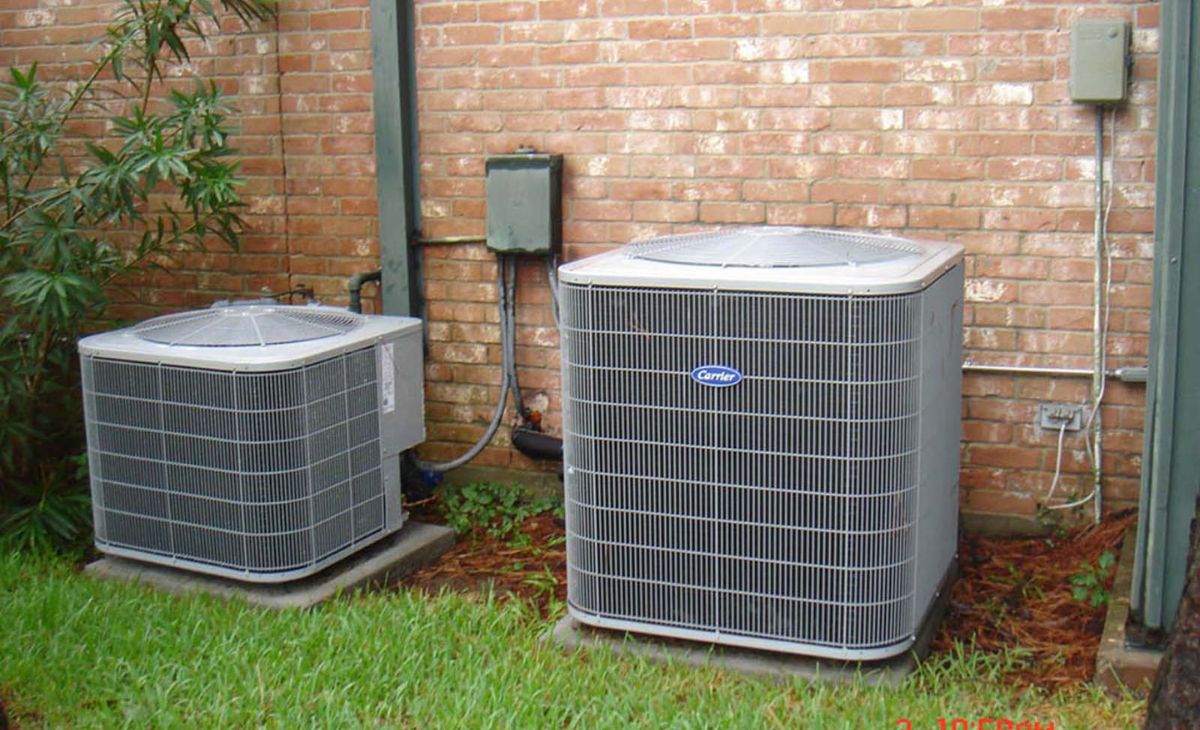
When readers explore how to choose the right HVAC Equipment, they’re seeking guidance on selecting systems that deliver comfort, efficiency, and long-term reliability. Choosing the appropriate HVAC Equipment involves understanding system types such as heat pumps, furnaces, split systems, mini-splits, central air, geothermal, and dual-fuel setups. From climate considerations and energy ratings like SEER and HSPF to proper sizing via Manual J load calculations, the decision impacts utility costs and indoor comfort profoundly. This article guides homeowners and business managers through each step of the selection process, providing clarity and confidence in choosing ideal HVAC systems.
What factors should be considered when selecting HVAC Equipment?
The foremost step in evaluating HVAC Equipment is assessing specific heating, cooling, and ventilation needs. Factors such as property size, local climate conditions, insulation quality, and the availability of ductwork must be reviewed. For example, in hotter regions, cooling capacity is paramount, whereas in colder climates prioritize heating output is prioritized. Accuracy in this stage can be achieved through a Manual J calculation, helping avoid oversizing (which leads to inefficient cycling) or undersizing (which results in poor comfort and high bills).
Proper sizing is just one piece; energy efficiency ratings—such as SEER for cooling and HSPF for heat pump heating—are crucial too. These metrics help predict operating costs and environmental impact. In fact, increasing SEER ratings can reduce energy consumption by nearly 30%.
Types of HVAC Equipment
Central HVAC Systems
A central HVAC system, consisting of an outdoor unit and ducted distribution indoors, remains a popular choice for large homes or businesses. It delivers consistent, whole-building comfort but requires ductwork and professional installation.
Split Systems & Ductless Mini-Splits
Traditional split systems feature separate indoor and outdoor units with refrigerant piping instead of ducts, helping avoid duct losses and enhancing efficiency. In contrast, ductless mini-splits offer zoned control without ducts—perfect for garages, additions, or rooms without duct infrastructure. These systems are among the most efficient options when reviewing individual components of modern HVAC designs.
Heat Pump Systems
Heat pumps provide both heating and cooling by transferring heat rather than generating it. They operate efficiently, especially in mild climates, and avoid combustion risks associated with furnaces.
Furnaces vs. Heat Pumps vs. Dual Fuel Systems
Furnaces generate heat through combustion of natural gas, propane, or oil, and tend to suit colder climates with lower upfront costs. Heat pumps save on energy usage and eliminate fossil fuel dependency, while dual fuel systems—combining both furnace and heat pump—deliver year-round efficiency and adaptability. Geothermal and dual-fuel systems rank high in eco-friendliness but may incur higher installation costs.
Smart and Advanced Systems
Modern HVAC advantages include variable-refrigerant-flow (VRF) systems with inverter technology, which allows energy savings by modulating capacity. Integration with Building Automation Systems (BAS) offers remote control, scheduling, and centralized monitoring. These technologies represent The Latest Innovations in HVAC Equipment You Need to Watch, helping both homeowners and businesses future-proof their investments.
Maintenance, Installation Quality, and Efficiency
Even the most efficient HVAC Equipment underperforms when installed poorly or neglected. Reliability depends on careful placement, line sizing, airflow balance, and ductwork inspection. Many experts emphasize installation quality more than the equipment itself.
ENERGY STAR guidelines also advise that installing a system appropriately—after a home evaluation and load sizing—is more important than buying the largest unit. Regular maintenance routines (filter changes, annual inspections), and warranties significantly influence longevity and total cost of ownership.
Energy Efficiency and Ratings
Efficiency is central to choosing HVAC Equipment. SEER measures cooling efficiency over a season; a higher value means less energy consumed for the same cooling output. HSPF complements SEER for heating efficiency in heat pumps, while AFUE measures efficiency in furnaces.
Standards such as those established by ASHRAE mandate minimum efficiency levels and proper sizing for new systems, reinforcing that compliance ensures both performance and energy code alignment.
Spec Comparison Table
|
HVAC Type |
Best For |
Efficiency & Notes |
|
Central Split System |
Whole-home cooling/heating |
Efficient but requires ductwork; professional install |
|
Ductless Mini-Split |
Rooms without ducts; zoned control |
High efficiency, no duct losses |
|
Heat Pump |
Mild climates, lower energy use |
Eco-friendly, dual functionality |
|
Furnace (Gas/Propane) |
Cold climates, lower upfront cost |
Higher operation cost, fuel-dependent |
|
Dual Fuel / Geothermal |
Year-round efficiency in varied climates |
High initial cost, long-term savings |
Frequently Asked Questions (FAQs)
What is the first step in choosing HVAC Equipment?
Understanding specific heating, cooling, and ventilation requirements—considering space size, insulation, ductwork, and climate—is essential, commonly performed via Manual J load calculation.
How do I know whether to choose a heat pump or a furnace?
Heat pumps are efficient and eco-friendly for mild climates; furnaces are better in extreme cold with lower upfront costs. Dual-fuel systems combine both for flexibility and efficiency.
Are ductless mini-splits more efficient than central systems?
Yes—by avoiding duct losses and offering zoned control, ductless mini-splits often result in greater energy savings.
Why is proper installation as important as the equipment itself?
Even efficient HVAC units underperform when installed poorly. Factors like proper airflow, line sizing, and thermostat placement are vital for system reliability and efficiency.
Which energy efficiency ratings should I look for when selecting HVAC equipment?
Look for high SEER for cooling, HSPF for heat pumps, and AFUE for furnaces. Also consider ENERGY STAR certification and ASHRAE standards to guide smart investments.
Conclusion
Choosing the right HVAC Equipment is a layered decision grounded in understanding climate, space, system types, energy efficiency, installation quality, and long-term costs. From discerning between heat pumps, furnaces, central split systems, ductless mini-splits, and advanced systems like VRF or geothermal, each choice points toward optimized comfort and efficiency. By properly sizing systems through Manual J calculations, considering energy ratings like SEER, HSPF, and AFUE, ensuring correct installation, and embracing smart features, homeowners and businesses can achieve reliable, cost-effective climate control. For personalized recommendations and expert assistance in selecting and installing the ideal HVAC system, reach out to The AC Outlet today. To get started, simply Contact us for expert guidance.


