


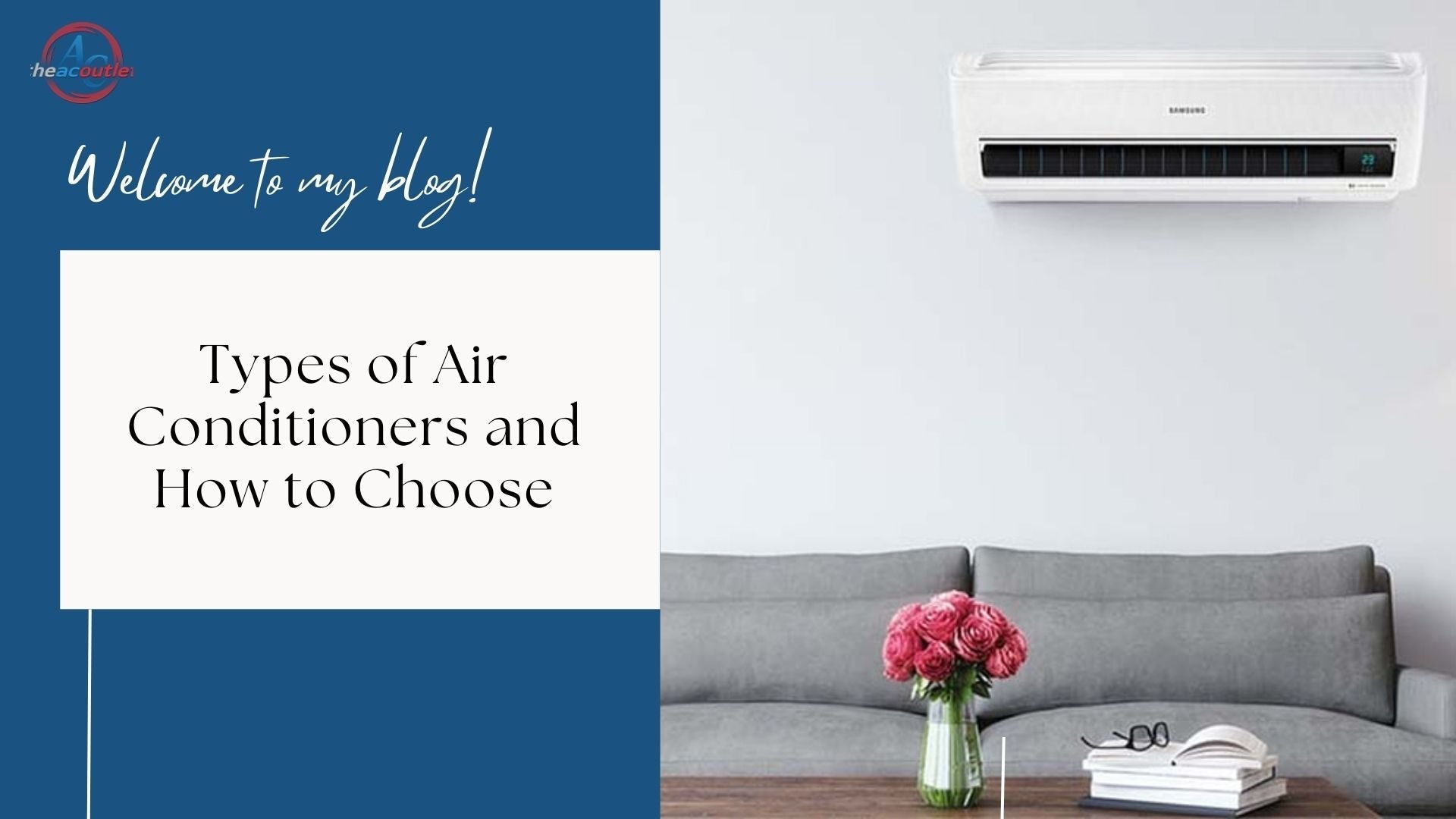
When it comes to heating, ventilation, and air conditioning (HVAC) systems, choosing the right one for your home or business can make a significant impact on energy efficiency, comfort, and cost. Understanding the various HVAC systems available can help you make an informed decision that best suits your needs. In this guide, we’ll explore the different types of air conditioners, their benefits, how they work, and key considerations for selecting the best option for your space.
1. Split HVAC Systems
A split HVAC system is the most common type found in residential properties. It consists of two separate units: an outdoor unit (containing the condenser and compressor) and an indoor unit (containing the evaporator coil and air handler). This system is highly efficient for both cooling and heating when paired with a furnace or heat pump.
How It Works:
-
The outdoor unit compresses and condenses refrigerant gas.
-
The refrigerant absorbs heat indoors and releases it outdoors.
-
The indoor unit circulates conditioned air through ductwork to cool or heat the space.
Pros:
-
Cost-effective for most homeowners
-
Works well in all climates
-
Can be paired with furnaces for year-round comfort
-
Offers energy-efficient models with high SEER ratings
-
Compatible with advanced filtration systems for improved indoor air quality
Cons:
-
Requires ductwork, which can be costly to install in older homes
-
Outdoor unit can be noisy and takes up space
-
Requires regular maintenance to ensure efficiency
Best For:
Homeowners looking for a reliable, efficient, and widely available HVAC system with moderate installation costs. For expert tips on choosing the right AC unit, check out our Best Air Conditioner Buying Guide to make an informed decision.
2. Ductless Mini-Split Systems
Ductless mini-split systems are an excellent alternative to traditional split systems, particularly for homes without ductwork. They consist of an outdoor compressor and one or more indoor air handlers mounted on walls or ceilings, allowing for zoned climate control.
How It Works:
-
The outdoor compressor pumps refrigerant to indoor units.
-
Each indoor unit cools or heats an individual room or zone.
-
No ductwork is required, making installation easier and more flexible.
Pros:
-
Highly energy-efficient with minimal energy loss
-
Perfect for homes without existing ductwork
-
Provides zoned heating and cooling for individual rooms
-
Quiet operation compared to traditional HVAC systems
-
Easy installation with minimal disruption
Cons:
-
Higher upfront costs per unit
-
May not be ideal for large homes requiring multiple units
-
Indoor units may not blend aesthetically with all interior designs
Best For:
Homes without ductwork, additions, or areas requiring independent temperature control, such as garages or home offices.
3. Packaged HVAC Systems
Packaged HVAC systems combine all heating and cooling components into a single unit, usually installed outdoors on a roof or near the foundation. These systems are common in commercial buildings but can also be used in residential settings where indoor space is limited.
How It Works:
-
The system contains all HVAC components in a single cabinet.
-
It draws air, heats or cools it, and then distributes it via ductwork.
Pros:
-
Compact and space-saving design
-
Easier installation compared to split systems
-
Can include gas, electric, or hybrid heating
-
Often more affordable for large commercial applications
Cons:
-
Typically less energy-efficient than split systems
-
Prone to weather-related wear and tear since all components are outdoors
-
Repairs can be more complex due to the all-in-one design
Best For:
Commercial buildings and homes with limited indoor space where a single, all-inclusive unit is preferred.
4. Hybrid HVAC Systems
A hybrid system combines a gas furnace and an electric heat pump to optimize energy use, automatically switching between the two energy sources depending on outdoor temperatures. This approach improves efficiency and reduces reliance on fossil fuels.
How It Works:
-
Uses a heat pump for cooling and mild heating.
-
Switches to gas heating when temperatures drop significantly.
-
The system automatically adjusts based on outdoor conditions to maximize efficiency.
Pros:
-
Highly energy-efficient, reducing heating costs in mild climates
-
Automatically switches between fuel sources for maximum savings
-
Environmentally friendly with lower carbon emissions
-
Offers reliable performance in varying climate conditions
Cons:
-
Higher upfront installation costs
-
May not be ideal for extremely cold climates where a traditional furnace is more effective
Best For:
Homeowners looking for a cost-effective and energy-efficient heating and cooling solution that adapts to seasonal changes.
5. Geothermal HVAC Systems
Geothermal systems use underground pipes to transfer heat to and from the earth, offering one of the most energy-efficient HVAC solutions available. While installation costs can be high, the long-term energy savings make this a valuable investment for eco-conscious homeowners.
How It Works:
-
Pipes buried underground exchange heat with the earth.
-
Heat pumps transfer this heat indoors in winter and remove heat in summer.
-
The constant underground temperature provides stable heating and cooling.
Pros:
-
Exceptionally energy-efficient with long-term savings
-
Reduces reliance on fossil fuels and lowers utility bills
-
Quiet and low-maintenance operation
-
Long lifespan compared to conventional HVAC systems
Cons:
-
Extremely high installation costs due to excavation and pipe installation
-
Requires sufficient land space for underground piping
-
Repairs can be costly if underground pipes are damaged
Best For:
Eco-conscious homeowners willing to invest in long-term energy savings and sustainability.
Choosing the Right HVAC System
When selecting an HVAC system, consider the following factors:
-
Climate: Heat pumps work best in mild climates, while furnaces are better for colder regions.
-
Budget: Ductless and geothermal systems have higher initial costs but offer long-term savings.
-
Home Size & Layout: Larger homes may benefit from split or packaged systems, while ductless systems suit smaller spaces or room additions.
-
Energy Efficiency: Look for systems with high SEER (Seasonal Energy Efficiency Ratio) and HSPF (Heating Seasonal Performance Factor) ratings to maximize savings.
-
Maintenance Requirements: Regular maintenance is crucial for any system, but some require more frequent upkeep than others.
Final Thoughts
Understanding the different types of HVAC equipment can help you choose the best one for your home or business. Whether you prioritize energy efficiency, cost savings, or flexibility, there's an HVAC system that fits your needs. Investing in the right system ensures comfort, efficiency, and long-term savings.
For expert guidance, consult an HVAC professional to assess your space and recommend the best heating and cooling solution for your needs.


