


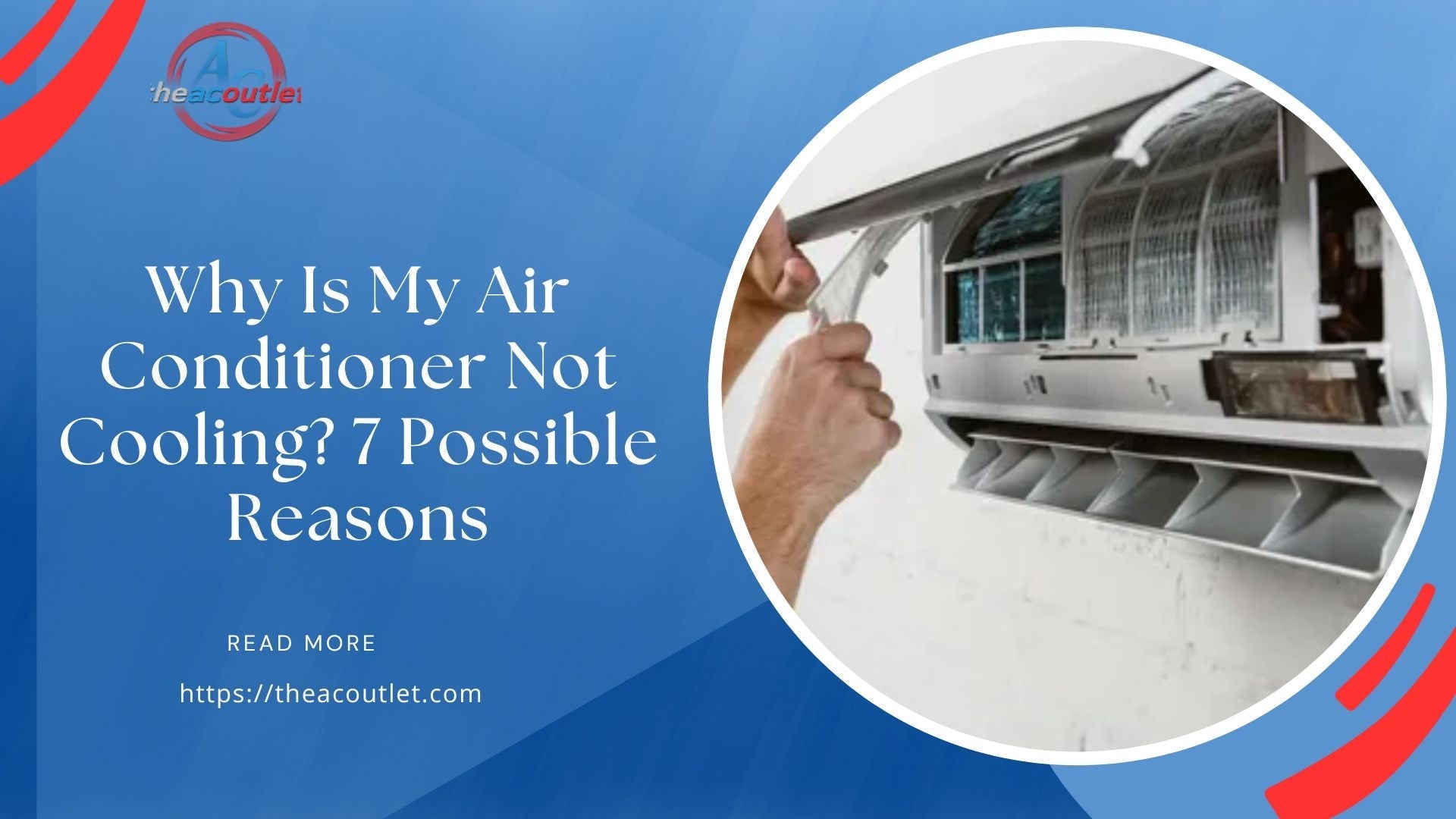
If you’ve found yourself asking, “Why is my air conditioner not cooling?” you’re not alone. This is one of the most common problems homeowners face, especially during the hottest months of the year when your HVAC equipment is working overtime. Understanding why your AC system isn’t performing as it should can help you resolve the issue quickly and restore comfort to your home. In this comprehensive guide, we’ll explore the 7 most common reasons why your air conditioner might not be cooling and what you can do about it.
What Causes an Air Conditioner to Stop Cooling?
When your air conditioning system is running but not blowing cold air, there could be a variety of underlying causes. Some issues are simple and can be fixed with basic maintenance, while others may require professional repair. Below, we break down the most likely culprits.
1. Dirty or Clogged Air Filters
Can a dirty air filter prevent AC from cooling? Yes. One of the easiest and most overlooked causes of cooling issues is a dirty air filter. Air filters trap dust, pet hair, and other particles from entering your HVAC system. Over time, these filters can become clogged, restricting airflow and making it harder for the system to circulate cold air.
When the filter is clogged, the evaporator coil may also freeze due to insufficient airflow, which further reduces the unit’s ability to cool your space.
Solution: Replace or clean the air filter every 1-3 months, depending on usage and household conditions. Always use filters compatible with your AC model.
2. Incorrect Thermostat Settings
Why is my AC running but not cooling the house? Sometimes, the issue is as simple as your thermostat settings. If your thermostat is set to "Fan" instead of "Cool," the blower will circulate air without actually cooling it. Similarly, if the thermostat is set too high, your AC may not kick in as expected.
Solution: Double-check your thermostat settings. Make sure it’s set to "Cool" and that the desired temperature is lower than the current room temperature. If you have a smart thermostat, verify that no energy-saving modes are interfering with cooling.
3. Low Refrigerant Levels
How does low refrigerant affect AC cooling? Refrigerant is the substance that absorbs heat from your home and releases it outside. If your system is low on refrigerant, it will struggle to cool the air effectively. This is usually caused by a leak in the system, which should be addressed by a licensed technician. Symptoms of low refrigerant include ice on the refrigerant lines, hissing noises, and poor cooling performance.
Solution: Contact an HVAC professional to inspect for leaks, repair the damage, and recharge the refrigerant to manufacturer-recommended levels.
4. Dirty or Blocked Condenser Unit
Can a blocked outdoor unit cause AC issues? Absolutely. The condenser unit, usually located outside, is responsible for expelling heat absorbed from inside the house. If the coils are dirty or the unit is blocked by debris, plants, or outdoor furniture, the system can’t release heat efficiently.
Solution: Turn off the system and gently clean the condenser coils with a garden hose. Clear away any debris or vegetation within a 2-foot radius around the unit.
5. Frozen Evaporator Coils
What causes evaporator coils to freeze up? Frozen evaporator coils can prevent the AC from cooling effectively. This can result from low refrigerant, dirty air filters, or airflow restrictions. When coils freeze, they create a barrier to heat absorption, stopping the cooling process entirely.
Solution: Turn off the system to allow the coils to thaw. Replace filters and check for airflow obstructions. If freezing persists, a professional diagnosis may be needed.
6. Electrical or Capacitor Issues
Why does my AC turn on but not cool? Electrical issues such as a faulty capacitor or damaged wiring can prevent the compressor or fan from running properly. The AC might power on, but without the compressor functioning, it won’t be able to produce cold air.
Solution: Electrical components should only be diagnosed and repaired by licensed HVAC technicians. If your AC clicks but doesn’t run or intermittently stops cooling, call a pro.
7. Aging or Undersized AC Unit
Can an old air conditioner stop cooling effectively? Yes. If your AC unit is more than 10-15 years old or improperly sized for your home, it may no longer be able to keep up with cooling demands. Older systems lose efficiency over time, and undersized units have to work harder, often without achieving the desired temperature.
Solution: Have a professional perform a load calculation and system inspection. If your unit is outdated or too small, consider upgrading to a modern, energy-efficient air conditioner that better fits your home’s size and climate needs.
Final Thoughts
An air conditioner that isn’t cooling properly is not just an inconvenience—it can be a warning sign of deeper issues with your HVAC equipment. Whether it’s a simple filter change or a refrigerant leak, early diagnosis and action can prevent costlier repairs down the line. At The AC Outlet, we offer premium HVAC equipment, parts, and replacement systems from the best AC brands in the industry. If you’re experiencing persistent cooling issues, explore our expert resources or contact us to find the right solution.


