


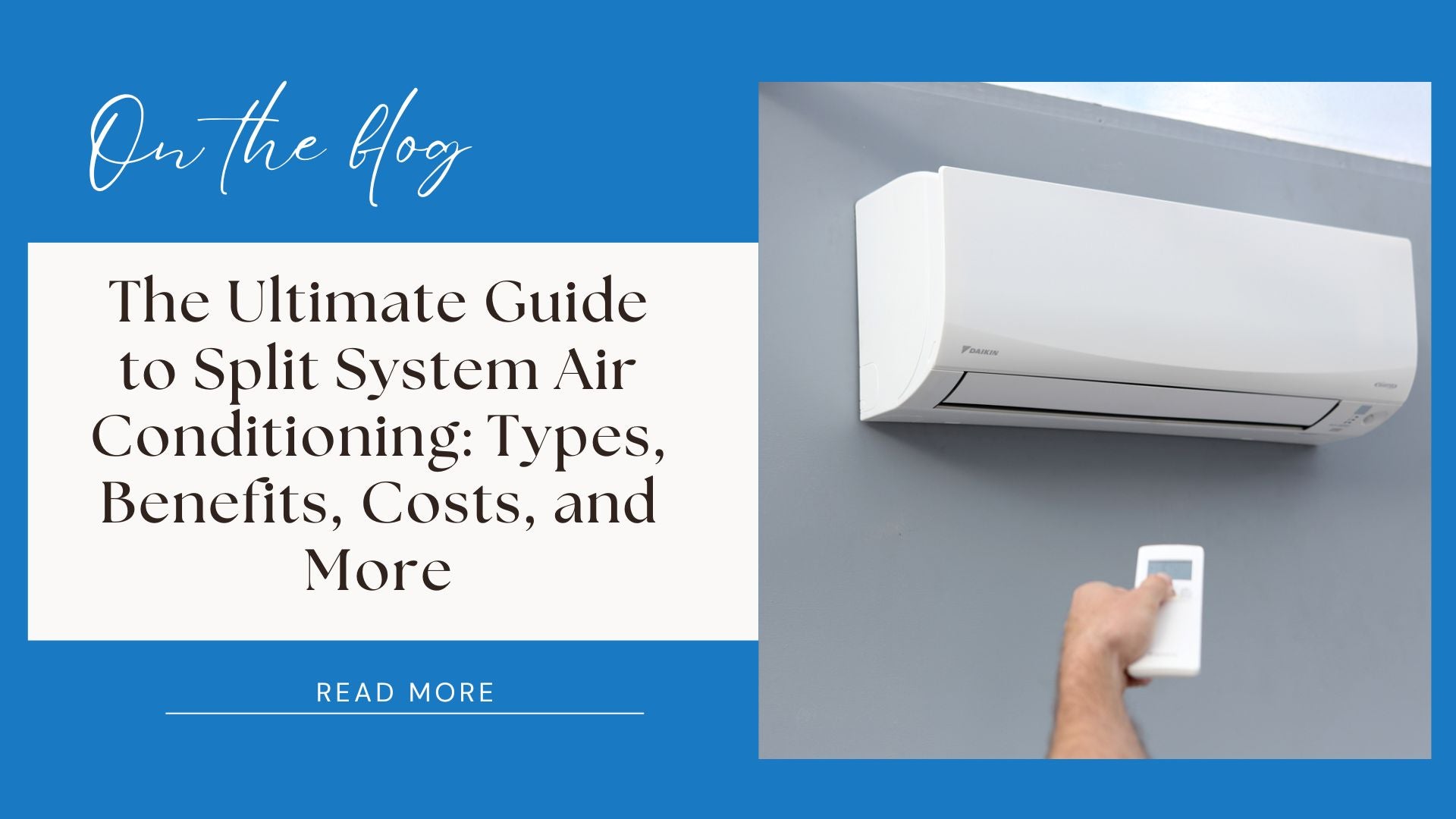
A split system air conditioner is a type of HVAC solution designed for efficient cooling and heating of indoor spaces. As the name suggests, this system is split into two primary components: an indoor unit and an outdoor unit. The indoor unit is responsible for blowing cool or warm air into the room, while the outdoor unit contains the compressor and condenser. These two units work together to provide consistent climate control with less noise and better energy efficiency compared to traditional window units or portable ACs.
Split system air conditioners are ideal for residential, commercial, and light industrial use. Whether you're cooling a single bedroom or multiple rooms in a home or office, split systems offer flexibility, efficiency, and affordability.
How Split System Air Conditioners Work
The core principle behind split system air conditioners is the transfer of heat. The indoor unit draws in warm air from the room, passes it through an evaporator coil containing refrigerant, and circulates the cooled air back into the space. The refrigerant absorbs the heat and carries it to the outdoor unit, where it is released into the outside air via a condenser coil and a fan. This cycle continues until the desired indoor temperature is achieved.
This heat-exchange process makes split systems efficient and cost-effective, especially when equipped with inverter technology that adjusts the compressor speed according to the cooling demand.
Types of Split System Air Conditioners
1. Single Split System
This is the most basic and widely used configuration. It consists of one indoor unit connected to one outdoor unit. It is suitable for cooling or heating a single room or area.
2. Multi-Split System
A multi-split system allows multiple indoor units to connect to a single outdoor compressor. This setup is perfect for multi-room installations where independent temperature control is desired for each space.
3. Ceiling Cassette Split System
Installed flush into the ceiling, this type of unit is popular in offices and commercial spaces. It distributes air evenly in all directions and blends with most ceiling designs.
4. Floor-Mounted Split System
This version is mounted close to the floor and is suitable for spaces with limited wall space or sloped ceilings. It offers quick and easy maintenance access.
5. Ducted Split System
Ducted systems involve a concealed indoor unit that connects to a network of ducts to deliver air to multiple rooms. These systems are often preferred for large homes and commercial buildings requiring a central air solution with minimal visible components.
Benefits of Split System Air Conditioning
Energy Efficiency
Split systems are designed to operate with lower energy consumption compared to traditional HVAC systems. Most modern models use inverter technology, which adjusts the compressor's speed based on room temperature, reducing power usage.
Zoned Climate Control
In multi-split setups, you can independently control the temperature in each room, allowing for personalized comfort and reduced energy waste.
Quiet Operation
Since the noisy compressor component is housed in the outdoor unit, the indoor operation is remarkably quiet. This makes split systems an excellent choice for bedrooms, libraries, and home offices.
Easy Installation
Unlike ducted systems, split systems don’t require extensive ductwork, making installation quicker and less invasive.
Versatility
Split systems can be used for both cooling and heating purposes, making them suitable for year-round use.
Improved Indoor Air Quality
Many units come with advanced air filtration features that help remove dust, allergens, and odors from the indoor air, enhancing air quality and comfort.
Cost of Installing and Running a Split System
Installation Costs
The price of installation varies depending on the type and size of the system, the number of indoor units, and the complexity of the installation process.
- Single split system: $2,000 – $4,000 (including equipment and installation)
- Multi-split system: $5,000 – $10,000+ (depending on the number of zones)
- Ducted split system: $7,000 – $12,000+
These costs can fluctuate based on your location, home structure, and any additional work required, such as electrical upgrades or wall reinforcements.
Running Costs
Split systems are generally more energy-efficient than central HVAC systems. Running costs depend on:
- Local electricity rates
- Daily usage
- Cooling/heating load
- Energy rating of the unit
To get an idea of ongoing costs, look for units with a high Seasonal Energy Efficiency Ratio (SEER) or Energy Efficiency Ratio (EER).
Split System vs. Ducted Air Conditioning: A Comparative Overview
|
Feature |
Split System |
Ducted System |
|
Installation Complexity |
Low |
High |
|
Initial Cost |
Lower |
Higher |
|
Zoning Control |
Excellent |
Available with added zoning |
|
Space Requirement |
Minimal |
Requires ceiling or roof space |
|
Maintenance Cost |
Lower |
Higher |
|
Ideal Use Case |
Individual rooms or small homes |
Large homes and commercial spaces |
In summary, split systems are better suited for smaller areas or homes where cost, space, and flexibility are top priorities. Ducted systems, on the other hand, provide a streamlined, whole-home solution, often at a higher upfront and ongoing cost.
What to Consider When Choosing a Split System
When selecting a split system air conditioner, consider the following factors to ensure optimal performance and efficiency:
- Room Size: Choose a unit with the correct BTU/kW rating for your room size. Oversized or undersized units lead to inefficient cooling.
- Energy Efficiency Ratings: Look for Energy Star ratings or high SEER/EER values.
- Noise Levels: Check the decibel rating of both indoor and outdoor units, especially for noise-sensitive areas.
- Smart Features: Many newer models offer Wi-Fi connectivity and compatibility with smart home systems, allowing you to control the unit remotely.
- Warranty and Support: A longer warranty period and reliable customer service indicate the manufacturer’s confidence in product quality.
Common Questions About Split System Air Conditioning
How long does a split system air conditioner last?
With proper maintenance, a high-quality split system can last between 12 to 20 years.
Can a split system heat a room during winter?
Yes. Many split systems offer reverse cycle technology, enabling both cooling and heating functions.
Is professional installation necessary?
Absolutely. Installing a split system involves electrical and refrigerant work, which should only be performed by licensed professionals to comply with local building codes and preserve the warranty.
How often should a split system be serviced?
At a minimum, filters should be cleaned every 1–2 months, and a full professional inspection should be done annually to maintain peak performance and energy efficiency.
Is Split System Air Conditioning Right for You?
Split system air conditioning presents a reliable, efficient, and versatile solution for modern indoor comfort. Whether you're outfitting a single room or several zones in your home or office, there's a configuration to suit your needs and budget. From energy savings to quiet performance and year-round climate control, split systems remain one of the most accessible and effective HVAC options available today.
For homeowners and businesses seeking zoned comfort, energy efficiency, and a sleek design, investing in a split system air conditioner is a decision that offers both short-term relief and long-term value.
At The AC Outlet, we specialize in providing premium-grade split system air conditioners from top brands at competitive prices. Our team of HVAC experts is here to help you choose the right unit based on your space, climate needs, and budget. With fast shipping, technical support, and unmatched product


