


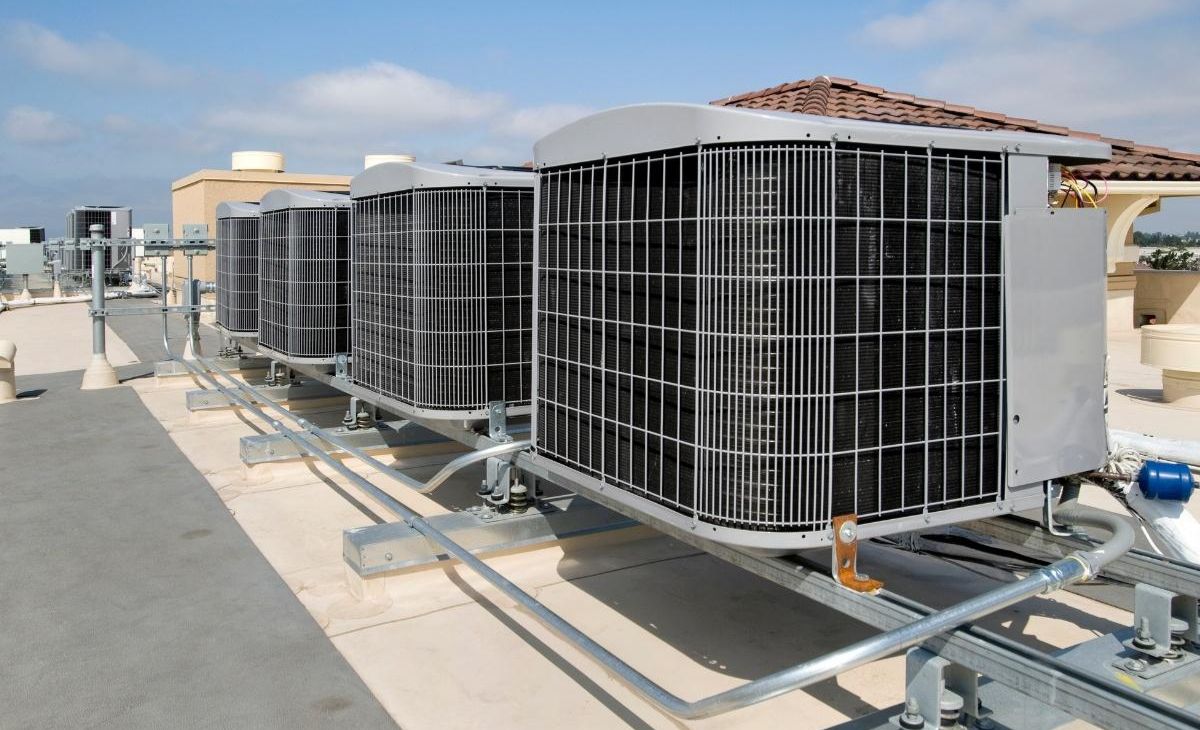
In today’s rapidly evolving market, the latest HVAC Equipment innovations are not merely incremental upgrades—they are redefining comfort, efficiency, and sustainability. Forward-thinking manufacturers and building managers are embracing technologies such as AI-enabled predictive maintenance, geothermal systems, VRF (Variable Refrigerant Flow), advanced indoor air quality solutions, and demand-controlled ventilation to deliver unprecedented performance.
Smart Thermostats and AI-Driven Predictive Maintenance
Leading the innovation wave is the integration of smart thermostats empowered by artificial intelligence and wireless connectivity. These systems connect seamlessly with home automation networks, adjusting heating and cooling based on occupancy, weather, and learned preferences. When combined with predictive maintenance, such HVAC Equipment can foresee issues before they occur—minimizing downtime, enhancing performance, and reducing emergency service calls. For homeowners and businesses investing in new systems, it’s also essential to understand the role of individual components that power HVAC systems. Compressors, coils, thermostats, and sensors must work together in harmony for peak efficiency.
Geothermal Heat Pumps and Renewable Integration
Sustainability innovations are equally transforming the field. Geothermal heat pumps, harnessing the stable temperature of the ground, can deliver twice to four times the efficiency of conventional HVAC systems.
Another eco-friendly arena is the adoption of renewable energy–integrated systems, including solar-powered air conditioners and furnaces, meeting the growing demand for energy-efficient and environmentally responsible solutions. To make the most out of such investments, property owners should also focus on Essential Maintenance Tips to Extend the Life of HVAC Equipment. Regular inspections and scheduled upkeep not only protect the system’s longevity but also ensure that renewable-friendly installations continue to run at maximum efficiency.
VRF Systems and Variable Refrigerant Flow Technology
Variable Refrigerant Flow (VRF) systems take efficiency and flexibility to the next level. These systems use inverter-enabled compressors, allowing varied refrigerant flow as needed—saving significant energy compared to traditional unitary systems. Indoor units within the same system can simultaneously deliver heating or cooling tailored to different zones, making them ideal for office complexes, hospitals, and hotels.
Advanced Indoor Air Quality (IAQ): Filtration, UV-C, and Smart Ventilation
The post-pandemic era has spotlighted the importance of indoor air quality. Cutting-edge HVAC Equipment now includes multi-stage filtration, HEPA filters, UV-C light, and bipolar ionization technologies—combined with smart sensors that monitor CO₂, humidity, particulate matter, and more.
Furthermore, demand-controlled ventilation (DCV) dynamically adjusts airflow based on occupancy and pollutant levels, avoiding wasted energy from over-ventilation while maintaining optimal indoor air quality.
Chilled Beams, Heat Recovery, and Dedicated Outdoor Air Systems
Innovative system designs are also reshaping HVAC Infrastructure. Chilled beam systems, using water instead of air for temperature control, cost-effectively deliver similar performance with significantly lower energy consumption and reduced fan requirements.
Heat Recovery Ventilation (HRV) and Energy Recovery Ventilation (ERV) systems capture residual energy from exhaust air to pre-condition incoming fresh air, improving energy efficiency dramatically.
Alternatively, Dedicated Outdoor Air Systems (DOAS) paired with radiant cooling panels can cut energy consumption by more than 40% compared to conventional systems.
Human-in-the-Loop AI & Transformer-Based HVAC Control
Cutting-edge research continues to evolve HVAC technology. A Human-in-the-Loop AI framework optimizes comfort and energy use by incorporating live user feedback and electricity market fluctuations, blending reinforcement learning with real-time input for superior adaptability.
Another breakthrough, HVAC-DPT (Decision-Pretrained Transformer), offers scalable HVAC control across diverse buildings without additional training, achieving impressive energy reductions in unfamiliar environments.
Summary of Leading HVAC Equipment Innovations
|
Innovation |
Description |
Benefit |
|
Smart Thermostats & AI Maintenance |
Intelligent control and fault prediction |
Lower energy use, fewer breakdowns |
|
Geothermal Heat Pumps |
Ground loop heating/cooling |
High efficiency, eco-friendly |
|
VRF Systems |
Variable speed refrigerant systems, zone control |
Energy savings, flexible distribution |
|
IAQ Enhancements |
HEPA, UV-C, real-time air quality monitoring |
Cleaner, healthier indoor environments |
|
DCV & DOAS/HRV Systems |
Smart ventilation and air recovery |
Energy conservation and improved comfort |
|
Chilled Beams |
Water-based radiant cooling/heating |
Lower operational energy, quiet performance |
|
HITL AI & HVAC-DPT |
Advanced AI control with user input and generalized learning |
Energy efficiency, adaptive performance |
Throughout every advancement in HVAC Equipment, clear themes emerge: energy efficiency, intelligent control, environmental responsibility, and enhanced occupant well-being. Together, these innovations chart the industry's path toward smarter, greener, and more responsive systems.
Frequently Asked Questions (FAQs)
What are the benefits of smart thermostats in modern HVAC Equipment?
Smart thermostats offer automated comfort by learning user patterns and adjusting settings via Wi-Fi, while reducing energy usage and maintenance costs.
How does geothermal HVAC Equipment enhance eco-efficiency?
Geothermal systems capitalize on stable underground temperatures, delivering 2–4 times greater efficiency and significantly reducing carbon footprints.
Can Variable Refrigerant Flow (VRF) systems cut operational costs?
Yes—VRF systems dynamically adjust refrigerant flow and provide targeted heating or cooling, resulting in significant energy savings compared to conventional HVAC systems.
How do advanced IAQ solutions in HVAC Equipment support health?
By integrating HEPA filters, UV-C, bipolar ionization, and smart sensors, HVAC systems now effectively capture pollutants, viruses, and allergens, continuously adjusting airflow to ensure healthier indoor environments.
What role does AI play in future HVAC operations?
AI enhances HVAC performance via predictive maintenance, proactive energy optimization, and adaptive control systems like Human-in-the-Loop AI and HVAC-DPT—delivering superior energy savings and personalized comfort.
Conclusion
In closing, the ever-advancing landscape of HVAC Equipment now integrates structural innovations—from geothermal heat exchangers and VRF systems to AI-driven controls, IAQ technologies, and energy-recovery ventilation. These developments are forging HVAC systems that are smarter, greener, and more attentive to human comfort than ever before.
Whether applied in homes, offices, or commercial buildings, such equipment ensures energy efficiency, adaptability, and improved indoor environments. For customers seeking to explore or install the latest in HVAC technology, The AC Outlet offers expert guidance and services. To discuss personalized solutions or request professional assistance, don’t hesitate to Contact us today.


